The US and Iran have agreed to halt attacks after a weekend flare-up that witnessed renewed fighting stemming from differing interpretations of an earlier memorandum of understanding. According to Axios, "We decided to stop all the kinetic activity," a senior US official said, using the military's term for strikes and other attacks. The latest developments come after Iran launched drone and missile attacks targeting Bahrain and Kuwait on Sunday following fresh US strikes on Iranian military infrastructure. As per Axios, a second US official confirmed both sides would stand down "for now" and that vessels could move freely through the strait as technical talks continue. The understanding comes barely 11 days after a ceasefire was reached between the two sides, with the truce coming under pressure amid fresh strikes and differing interpretations of the ceasefire terms. President Donald Trump warned of devastating consequences on Truth Social, writing that US aircraft had struck Iranian missile and drone storage facilities for violating the ceasefire "AGAIN!" and threatened that "If that happens, the Islamic Republic of Iran will no longer exist."
Iran refused to meet US envoys Jared Kushner and Steve Witkoff in Doha on Tuesday June 30, with Qatar's prime minister meeting the Americans instead of Iranian officials. According to Al Jazeera, Iran's Foreign Ministry said Hormuz mine clearance falls under June's memorandum of understanding (MoU) and needs no outside help. Alex Vatanka, a senior fellow at the Middle East Institute, said Iran's foreign minister, Abbas Araghchi, and speaker Mohammad Bagher Ghalibaf fear a Doha visit could backfire at home. As per Al Jazeera, both officials want visible progress on the MoU signed June 17 first, with Tehran asking where's the action on the MoU? Why are Iranian assets still frozen? Why is Israel still in Lebanon? Ghalibaf said Tehran will not negotiate a final deal until Washington meets every MoU condition, with those conditions including unfreezing Iranian funds and ending hostilities in Lebanon. Iran signed the memorandum on June 17, but says Washington has not met these terms yet. Earlier this week, Iran's Foreign Ministry spokesperson Esmaeil Baghaei had stated that Iran will not have any negotiation meetings at any level with the American side in the coming days, as reported by The Hindu BusinessLine. He clarified that though Iran is sending its technical delegation to Qatar, this had no relation to the visit of the US team to Doha.
Oil prices saw significant increases as Iran's refusal to meet U.S. envoys heightened tensions, impacting the fragile ceasefire. Brent crude peaked at $74.75 a barrel on Tuesday before settling to $73.29 early on Wednesday as traders kept close tabs on Iran's dealings with the US envoys. According to The Economic Times, this represents a notable increase from recent levels when Brent crude was trading at $72.39 per barrel and prices were on course for a sharp weekly loss. Brent had briefly dipped after supertankers resumed Hormuz transit last week, but the latest developments have pushed prices higher. At 9.30 am on Wednesday, September Brent oil futures were at $73.25, up by 0.41 per cent, and August crude oil futures on WTI (West Texas Intermediate) were at $69.83, up by 0.47 per cent, as reported by The Hindu BusinessLine. July crude oil futures were trading at ₹6,635 on the Multi Commodity Exchange (MCX) during the initial hour of trading on Wednesday, against the previous close of ₹6,617, up by 0.27 per cent, and August futures were trading at ₹6,642 against the previous close of ₹6,627, up by 0.23 per cent. The dramatic price recovery comes after the reopening of the Strait of Hormuz created a sudden oil market surplus, with Brent crude dropping below $75 per barrel for the first time since the war began. Trump celebrated on Monday morning that US oil futures were trading at roughly $69 a barrel, crediting the interim deal with Iran for the decline. However, oil futures in the US were trading at a range of roughly $65 to $66 before the war began in late February, and Brent crude sold for about $72 a barrel before the war began, and rose above $126 per barrel in April. The recovery comes after heightened tensions saw the US strike Iranian military targets in retaliation for Tehran's attack on a merchant vessel near Oman, one of the world's most critical oil shipping routes.
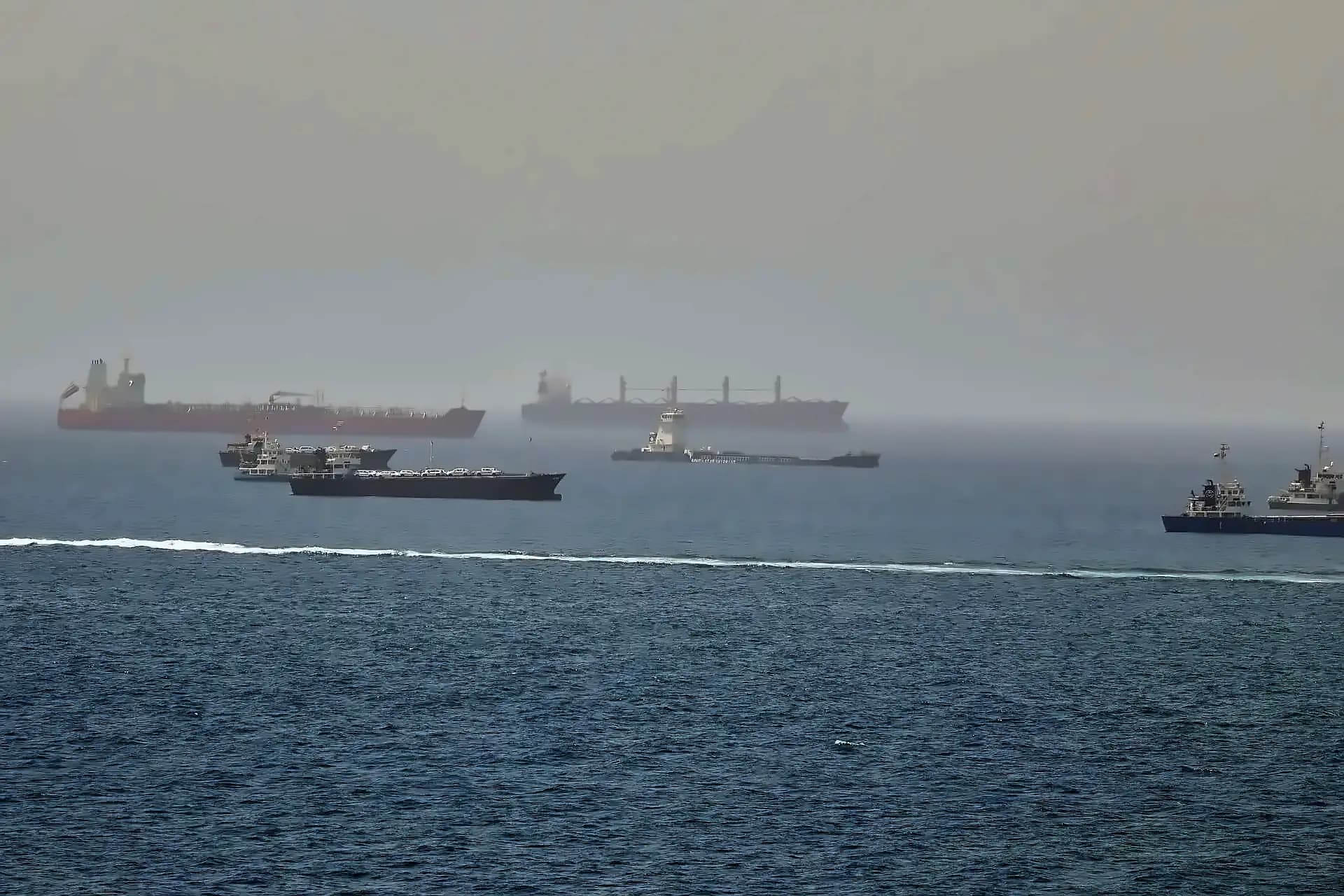
Tanker traffic through the critical waterway has started to recover, with U.S. Vice President JD Vance claiming that oil flows through the strait had been restored to pre-war levels. According to The Economic Times, Vance stated that Iran would be prevented from charging tolls through the strait, telling The Michael Knowles Show, "This is not going to end in a place where the Iranians are collecting tolls on ships going through the Strait of Hormuz."* The agreement represents the seventh time the strait has been pronounced open, negotiated, or largely reopened since its closure in March 2026, with each previous announcement ultimately failing to materialize. U.S. crude oil inventories fell again last week while gasoline stocks also declined, with market sources citing data from the American Petroleum Institute released on Tuesday. Crude stocks fell by 6.1 million barrels in the week ended June 26, with markets awaiting official U.S. oil stock data from the Energy Information Administration to be released at 10:30 a.m. EDT on Wednesday. The International Energy Agency warned in May that global markets would stay undersupplied through the third quarter of 2026, with Brent losing about $45 a barrel between the first and second quarters, its steepest quarterly drop since 2008, and WTI falling around $31 in the same period, its biggest drop since 2020. Both benchmarks reversed course as the war de-escalated, pulling back from gains triggered by earlier Iran strikes. Warren Patterson, Head of Commodities Strategy of ING Think, and Ewa Manthey, Commodities Strategist, noted that tanker vessel movements in the Strait of Hormuz still appear limited, with total tanker crossings estimated at around 11 on Tuesday, down from a peak of 24 last Wednesday. They observed a slight pickup in inbound tanker traffic, suggesting that shipowners are becoming increasingly confident about moving vessels into the Persian Gulf.
Beyond the immediate ceasefire agreement, officials are planning to implement enhanced security measures to prevent future incidents, with discussions focusing on establishing a direct military hotline between the US and Iran. As per Axios, the Doha talks will focus on the Strait of Hormuz dispute and implementing these security protocols. US President Donald Trump's son-in-law Jared Kushner and envoy Steve Witkoff arrived in Doha on Tuesday for what the White House described as high-level discussions, but Iran and host nation Qatar clarified that the US delegation would engage with mediators, rather than Iranian representatives directly. Qatar said Prime Minister Sheikh Mohammed bin Abdulrahman Al Thani was among the officials who met with Witkoff and Kushner. Saudi Aramco Chief Executive Officer Amin Nasser warned last month that disruptions in the Strait of Hormuz could delay the return of stability to global oil markets until 2027, stating that prolonged interruptions could affect nearly 100 million barrels of oil supply every week. The agreement follows what traders have watched as oil rises hard on war signals and barely moves on peace ones, with Tuesday's Doha session set to test whether both sides can resolve the dispute over who controls the waterway.