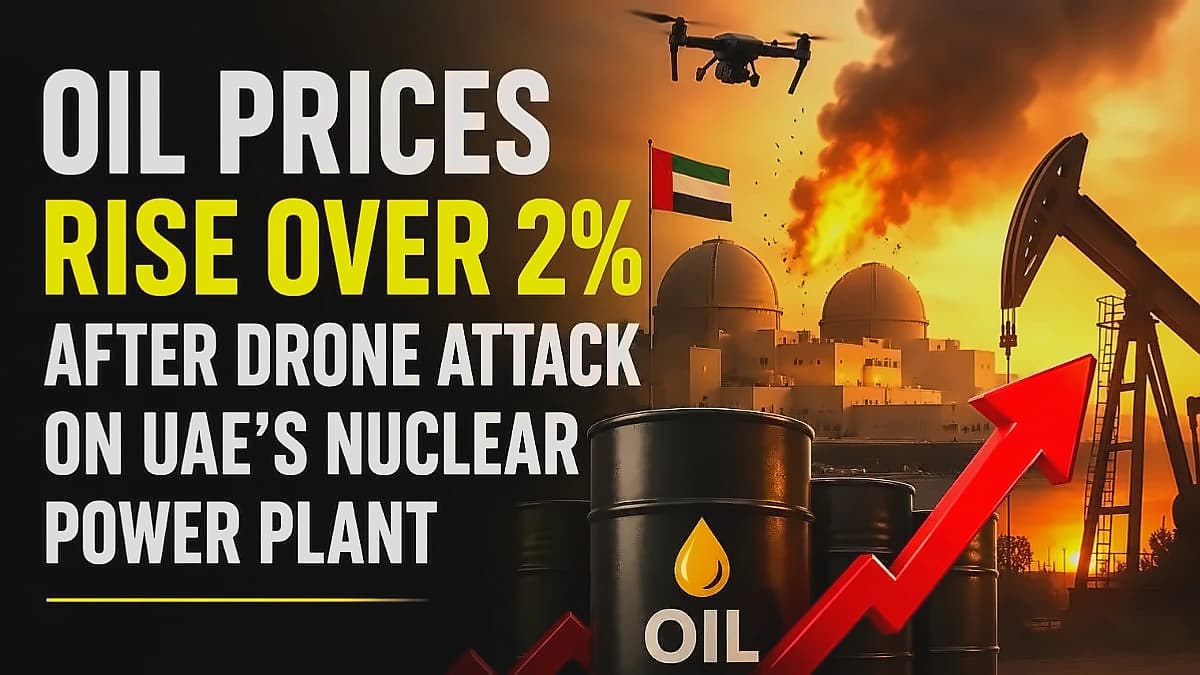
The oil market is entering a highly sensitive phase as geopolitical risks are weighed against the possibility of a breakthrough in the US-Iran crisis, according to Mohammed Imran of Mirae Asset Sharekhan. January 2027 Brent retreated to $104.5 a barrel, down from $110.04 a week earlier, while December 2026 WTI slipped to $96.46 witnessing the sharpest correction in 3 months. This represents a significant retreat from earlier declines, with the latest drop extending the previous 4% decline that saw Brent crude drop to $108.61 per barrel and WTI crude slump to $99.62 per barrel. The sharp price movement came as President Donald Trump told reporters Monday that Iran wants to 'make a deal and that could happen', signaling a potential diplomatic breakthrough after eight months of conflict disruption. Trump later confirmed to NBC News that he was considering striking Iran after the midterms, but twice replied 'No' when asked if the U.S. plans to resume strikes on Iran. After oil prices closed for the day, Trump took notice of the drop, telling reporters 'Oil today is down $10, and it's going to go down a lot further because we're winning with Iran, easily winning'.
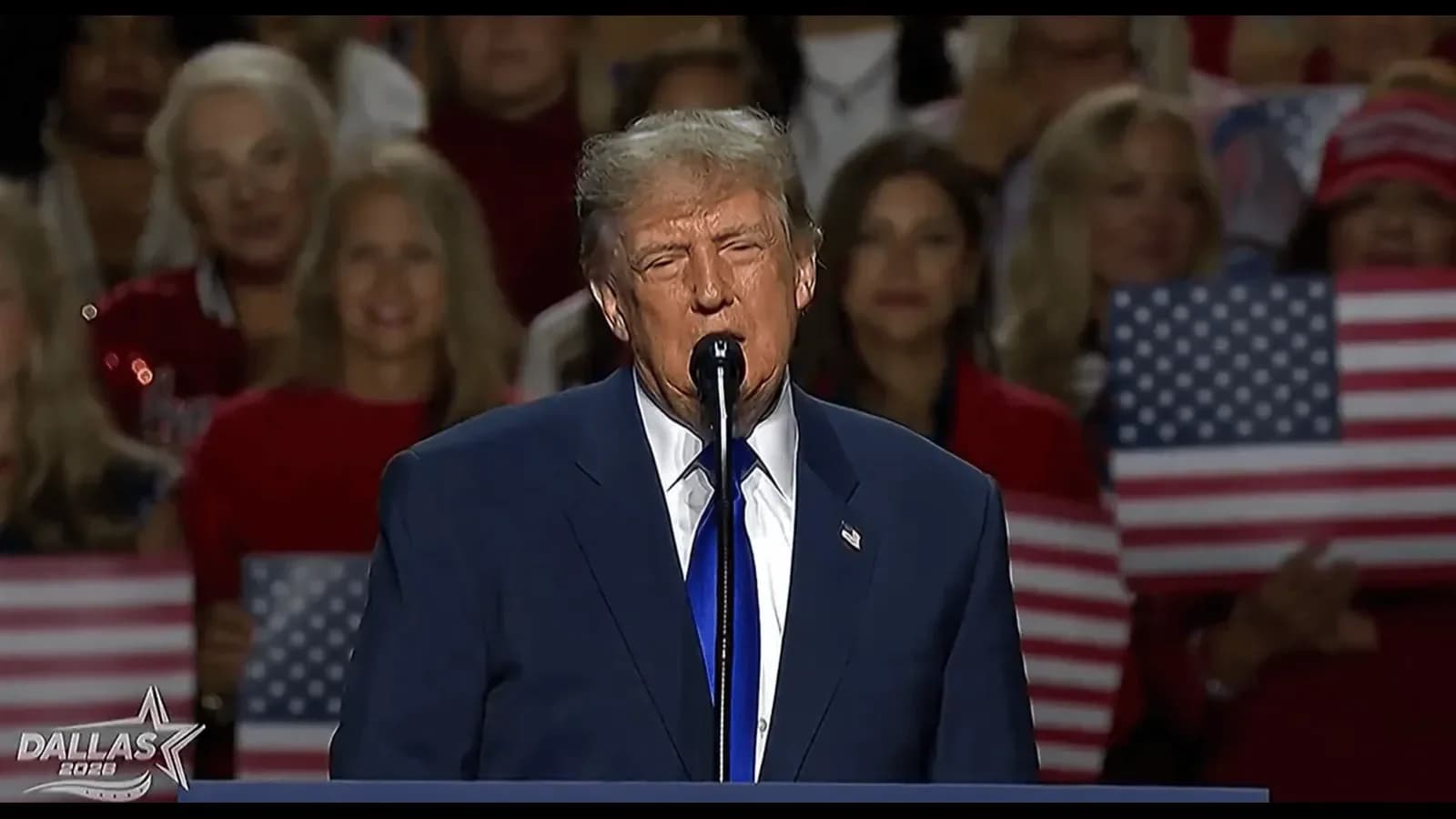
U.S. Secretary of State Marco Rubio confirmed over the weekend that Trump prefers not to use military force against Iran and would like to resolve the conflict diplomatically. As reported by Reuters, Rubio stated that 'Trump hasn't made a decision' on whether to strike Iran again, emphasizing that 'What the president expresses to you is incredible confidence that if we needed to do something militarily, we would have the ability to do it'. The secretary of state added that 'we would prefer to do it peacefully' while noting that 'we would prefer to do it peacefully'. This diplomatic stance represents a significant shift from previous military escalation threats, with Trump previously stating he will not attack Iran before the U.S. midterms. After oil prices closed for the day, Trump took notice of the drop, telling reporters 'Oil today is down $10, and it's going to go down a lot further because we're winning with Iran, easily winning'.
Iranian leadership has confirmed their commitment to diplomatic resolution, with Iran's President Masoud Pezeshkian stating that Tehran is seeking to resolve problems through dialogue, according to the state-owned Islamic Republic News Agency. Iran's Supreme Leader Ayatollah Mojtaba Khamenei has granted the government certain authorities to pursue this diplomatic approach, as confirmed by Pezeshkian. Iran's foreign minister, Abbas Araghchi, said an agreement with the U.S. is possible if Washington 'demonstrates goodwill' and is 'truly seeking a peaceful solution', according to IRNA. This represents a clear signal from Iranian leadership that diplomatic channels remain open and active. Earlier Monday, Iran's IRNA news agency cited the Iranian president's comments that the supreme leader had 'granted the government certain authorities' in relation to 'seeking to resolve problems through dialogue' with its 'enemies'. Traders interpreted this as Iran's choosing to continue diplomatic talks with the U.S. through mediators, rather than escalating the war through further strikes on American allies in the region.
Crude oil prices halted their rally in the last two days, and the physical premiums on Crude have also eased over the last few weeks, reflecting more availability of crude in the physical markets, according to SEBI-registered research analyst Sandip Sabharwal. In the Middle East market physical premium has come down to ZERO Vs $30+ 6 weeks back, while in the Dated Brent market, the physical premium has gone into negative Vs $20 just 4 weeks back for North Sea Crude. Sabharwal further underlined that this means prices are likely to remain lower unless there is some major escalation in the conflict after the US mid-term elections. The sell-off followed signals from both Washington and Tehran that a diplomatic resolution to the eight-month conflict could be possible, with the global benchmark rebounding to $106 per barrel level following reports of US attacks on Iran's Qeshm Island. This physical premium collapse indicates improved supply availability and reduced geopolitical risk premiums in the market.
The oil market's retreat reflects the economic backdrop offered little support, with October manufacturing activity softening across major economies. The eurozone PMI eased to 52.7 and India's to 54.7, while China's manufacturing index stood at 49.3, indicating contraction. Services remained expansionary in Europe and India, but slowing industrial activity reinforced concerns about future petroleum demand. Managed-money net positioning across the oil complex consequently declined by 14.9 million barrels to 501.2 million barrels, while a sharp increase in open interest in January Brent $100 puts pointed to greater downside protection. Despite the retreat, prices remained substantially above early-October levels, reflecting continuing concern over supply security and depleted inventories. Since the Iran war started in late February, global oil prices have risen about 45%, highlighting the significant impact of ongoing conflict on energy markets.