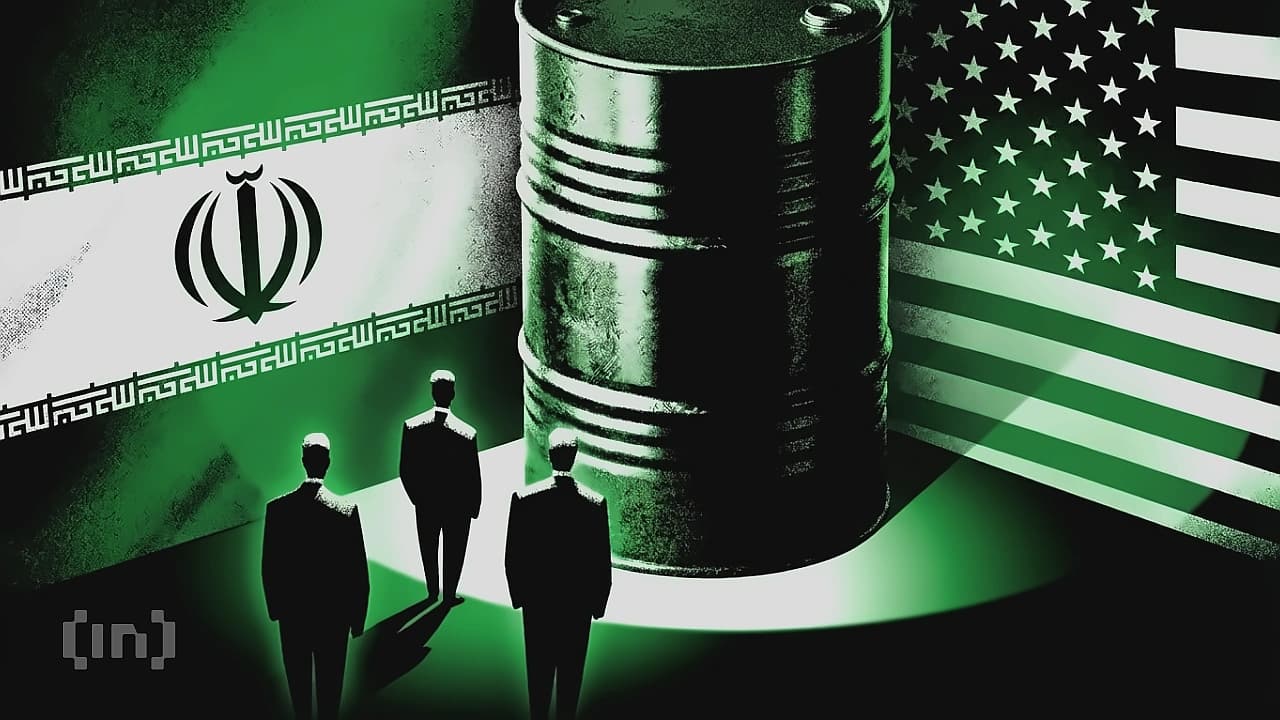
Oil prices fell sharply as traders priced in growing hopes that a U.S.-Iran deal could reopen the Strait of Hormuz and ease the global supply shock. At the time of writing, both oil benchmarks had fallen by more than 5%, with Brent breaking back below $100 to trade at $98.27, while WTI fell to $91.63. The sharp decline came following reports over the weekend that a deal to reopen the Strait of Hormuz was in its final stages, creating significant market optimism about potential resolution of the ongoing crisis. Despite the recent pullback, oil prices are still up more than 30% since the US and Israel launched attacks on Iran on February 28. According to The Times of Israel, Israeli Prime Minister Benjamin Netanyahu will convene a "limited" security cabinet meeting this evening to discuss the US-Iran deal, as the draft agreement could include ending the war on all fronts, including Israel's assault on Lebanon.
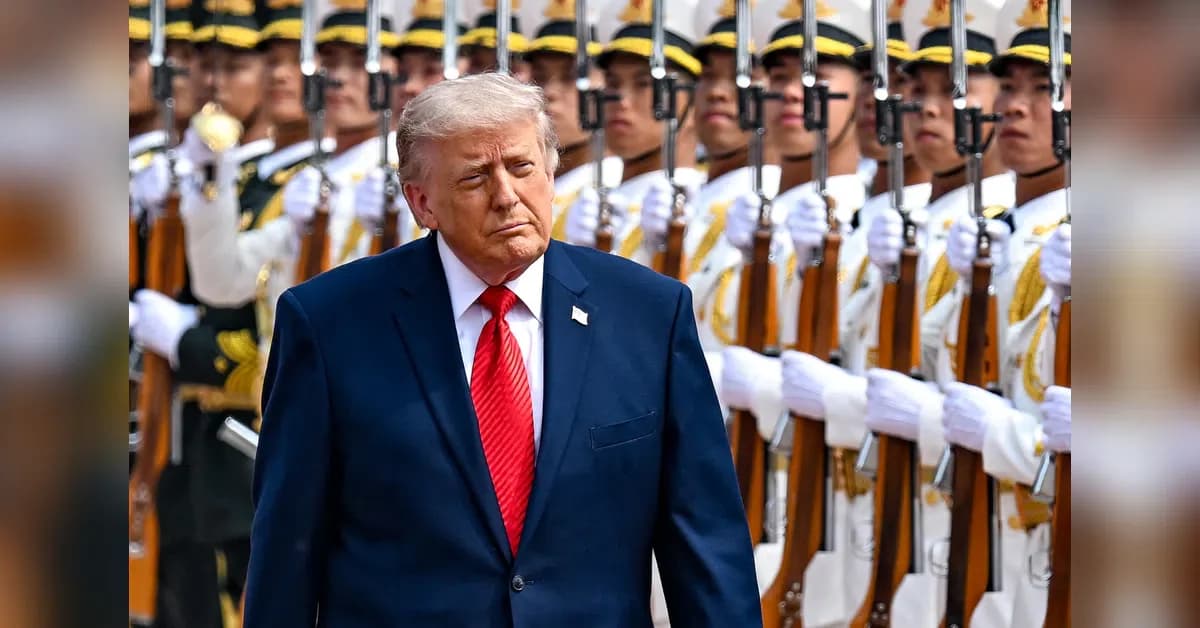
President Donald Trump has tempered expectations for an imminent agreement, confirming that the deal is not "fully negotiated yet" despite details having emerged about what could be included in a potential one. Writing on Truth Social, Trump stated that "both sides must take their time and get it right" while reiterating that Tehran "must understand" it cannot develop a nuclear weapon. This cautious approach has created uncertainty in markets despite the positive momentum from potential peace talks, with Trump having previously said on Saturday that Washington and Tehran had "largely negotiated" a memorandum of understanding on a peace deal that would reopen the Strait of Hormuz, though he indicated that several difficult issues continue to divide the two sides. US Secretary of State Marco Rubio told reporters in New Delhi that "perhaps there is the possibility that in the next few hours the world will get some good news," while emphasizing that "significant" progress had been made in peace talks with Iran.
Iran's semi-official Tasnim news agency has accused the US of "obstruction," saying that an agreement could still be "cancelled" despite reports of progress. The proposed agreement would aim to reopen the Strait of Hormuz, end the war, and see Iran give up its enriched uranium. According to reports, the first stage of the agreement would be a 60-day extension of the ceasefire, during which time traffic would resume through the Strait, and nuclear negotiations would continue. Iranian news agency Tasnim reported that the number of vessels transiting the Strait could return to pre-war levels within 30 days if an agreement is reached. The deal would also include an end to the war between Israel and Hezbollah, though Israeli Prime Minister Netanyahu emphasized that "any final agreement with Iran must eliminate the nuclear danger." A senior Iranian source told Reuters that if Iran's supreme national security council approved the memorandum, it would be sent to supreme leader Mojtaba Khamenei for final approval, though no verified recording or visual sighting of Khamenei has been broadcast since he was appointed supreme leader in early March.
A senior Iranian source told Reuters on Sunday that Tehran had not agreed to hand over its highly enriched uranium (HEU) stockpile, contradicting earlier reports that Tehran had expressed willingness to give up its stockpile. Even if Tehran does agree to give up some of its HEU stockpile, there has been no mention of how this would happen in practice. European Commission President Ursula von der Leyen welcomed the progress, stating "Iran must not be allowed to develop a nuclear weapon," while adding that "Iran must also end its destabilising actions in the region, directly or through proxies, as well as its unjustified and repeated attacks on its neighbours." The UK's Prime Minister Keir Starmer said he supports the nearing of an agreement, writing that "we need to see an agreement that brings the conflict to an end and reopens the strait of Hormuz, with unconditional and unrestricted freedom of navigation." US Secretary of State Marco Rubio emphasized that Trump's commitment to Iran never possessing a nuclear weapon is unwavering, stating "the idea that somehow this president, given everything he has already proven he is willing to do, is going to somehow agree to a deal that ultimately winds up putting Iran in a stronger position when it comes to nuclear ambitions is absurd."
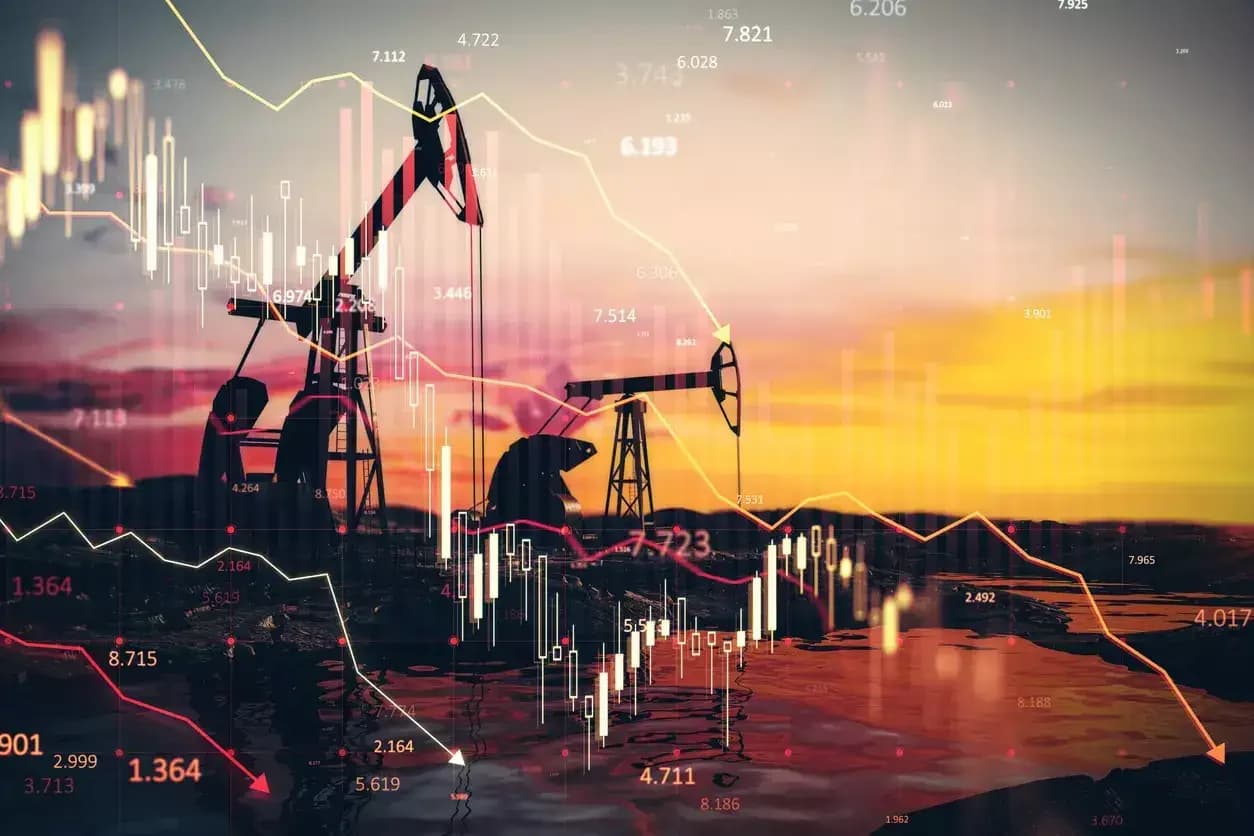
While an agreement would provide some much-needed relief to oil markets, it remains to be seen just how quickly oil flows could return to pre-war levels and how long it will take to bring damaged oil and gas infrastructure back online. Even then, without a final agreement that includes a clear understanding of how traffic will flow through the Strait uninterrupted in the future, the geopolitical risk of another major energy crisis would remain. Analysts caution that Morgan Stanley said the oil market was in "a race against time," cautioning that the factors preventing crude prices from rising further may weaken if the Strait of Hormuz remains shut through June. The brokerage added that higher US crude exports and softer demand from China have so far helped prevent a deeper supply shock, but warned that an extended closure of Hormuz could tighten global supplies again if disruptions continue beyond what the US and China can comfortably absorb. US Secretary of State Marco Rubio acknowledged that "full Iranian acceptance and then compliance" would be required for a durable agreement, stating that "when you are talking about a nuclear programme, these are highly technical matters and ones that would probably need to be addressed over some period of time."