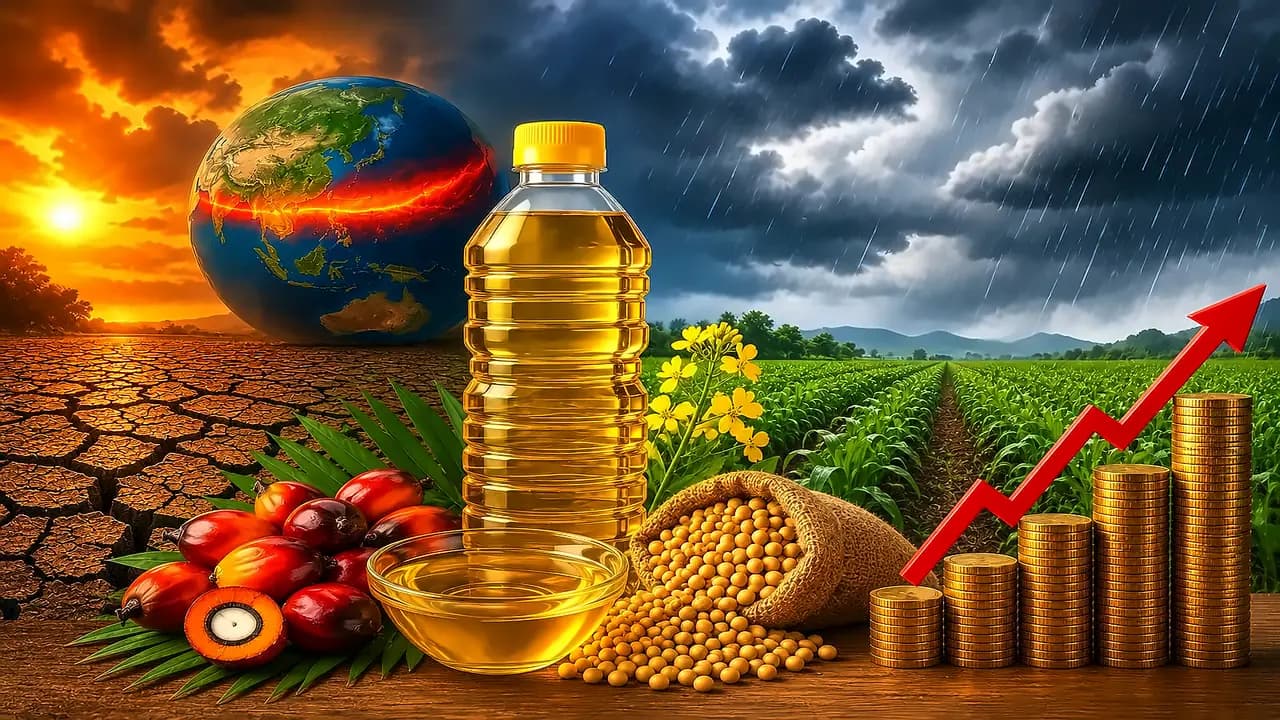
According to reports from CNBC TV18, NK Proteins expects edible oil prices to remain supported in the near term due to lower domestic crop availability, festive demand, and higher import costs. Managing Director Priyam Patel indicated that prices could ease from October as fresh crop arrivals improve supplies. The company anticipates that fresh supplies should improve the demand-supply balance later in the year, providing relief to current market pressures. Emami Agrotech also expects demand to increase during the upcoming festive season, supported by stable commodity prices and inventory replenishment across trade channels, as reported by CNBC TV18.
As reported by CNBC TV18, domestic crop availability remains low heading into August, though strong imports this month should help stabilise prices. Patel noted that the edible oil industry continues to face volatility from global developments, including currency movements and geopolitical tensions. He emphasized that these factors have become a part of the edible oil industry and the company will have to live with it. ITC continues to monitor higher edible oil prices and weather-related uncertainties, though improved monsoon conditions during July have been encouraging, according to CNBC TV18.
According to the report, NK Proteins plans to focus on expanding its presence in indigenous edible oils rather than imported oils. Patel highlighted that the company sees stronger opportunities in mustard and groundnut oils and is working with farmers to improve mustard acreage and yields. The company also expects Indian consumers to increasingly use different edible oils for different cooking needs, indicating a shift toward diversified oil usage patterns. Emami Agrotech is expanding its food portfolio across categories, including atta, maida, suji, soya nuggets, and spices, as reported by CNBC TV18.
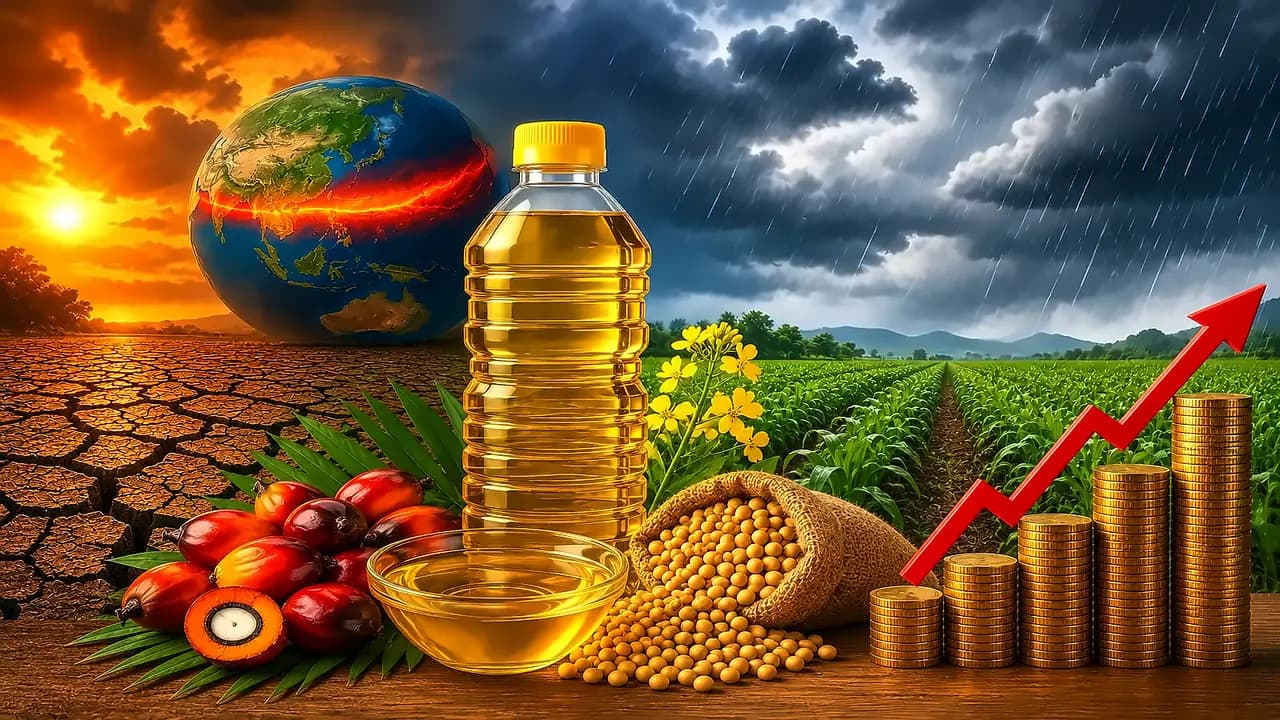
Purchasing decisions are increasingly driven by product quality and value rather than price alone, according to CNBC TV18. The shift of premium product usage in rural India has moved from 30 percent to 42 percent, indicating growing premiumisation across both urban and rural markets. ITC's Hemant Malik noted that the second half of FY26 has traditionally been stronger for consumer spending due to the festive season, with product innovation and premiumisation continuing to support growth. Packaging input costs such as laminates, cartons, and tin plates had become costlier earlier as global oil prices surged, but with oil prices stabilising, these input costs have softened, which should eventually benefit consumers.