According to Pradeep Choudhary, CEO of Gemini Edibles and Fats India, edible oil prices could remain elevated over the next five to six months as seasonal demand strengthens and supply-side risks persist. As reported by CNBC TV18, Choudhary expects demand to pick up in the second half of the year, which typically accounts for a larger share of India's annual edible oil consumption. The CEO believes that any significant El Niño event could affect palm oil production in key producing regions and tighten global supplies, with concerns around El Niño being closely monitored globally due to their potential impact on palm oil output in Southeast Asia and India. Recent geopolitical developments in the Middle East have added another layer of complexity to global oil supply chains, with escalating tensions between Iran and Israel potentially disrupting key export routes.
According to Choudhary's estimates reported by CNBC TV18, edible oil consumption has weakened in recent months, particularly in the hotels, restaurants and catering segment. Overall edible oil consumption may have fallen by around 10% over the last three months. He attributed the slowdown to issues affecting out-of-home consumption, including challenges faced by restaurants and food-service businesses. However, household demand for branded edible oil products has remained stable, providing some support to the market during this period of reduced commercial consumption.
As reported by CNBC TV18, India's edible oil demand is estimated at around 24 million tonne annually, with approximately 55% of consumption occurring during the second half of the year. Choudhary expects stronger consumption during the festive and monsoon season, which should help offset the current weakness in commercial segments. While demand is expected to increase, he noted that global production patterns typically help balance seasonal consumption, with palm oil production generally peaking between May and November, providing additional supply during periods of higher demand.
The ongoing geopolitical tensions in the Middle East have highlighted the importance of alternative export routes for major oil producers. Saudi Arabia's crude oil exports, especially its prized Arab Light grade, from the Red Sea port of Yanbu have soared as the Kingdom moved to use its East-West pipeline to capacity, bypassing the Strait of Hormuz blockage. However, the Bab el-Mandeb Strait remains vulnerable to potential disruption by Iran's allies, the Houthis, who have previously threatened to block this major chokepoint. Commercial maritime transport has been rerouted from Bab el-Mandeb to the Cape of Good Hope in Africa, adding weeks to journeys between Europe and Asia, though traffic has not yet returned to early 2022 levels.
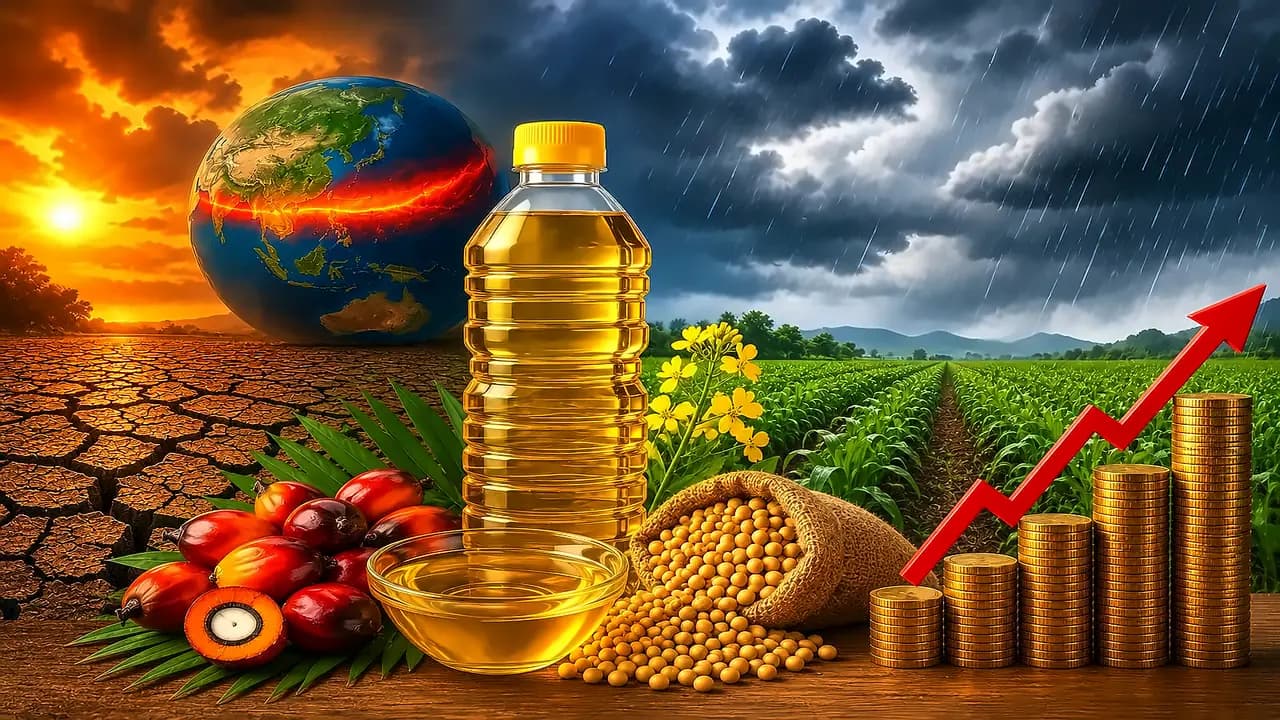
As reported by CNBC TV18, Choudhary expects demand to pick up in the second half of the year, which typically accounts for a larger share of India's annual edible oil consumption. He believes that even without El Niño, the markets are looking firmer going forward, with weather disruptions potentially significantly altering supply-demand dynamics across agricultural commodities. The combination of seasonal demand patterns, supply risks, and structural market changes suggests a supportive price environment for edible oils over the coming months, though geopolitical tensions in the Middle East could introduce additional volatility into global oil markets.