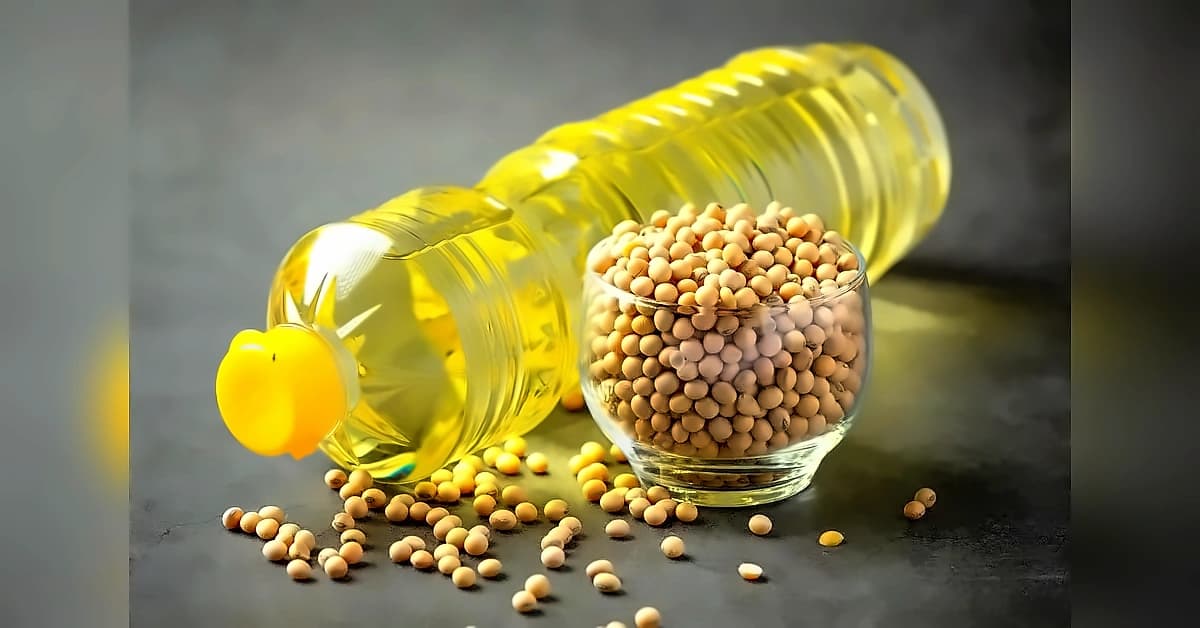
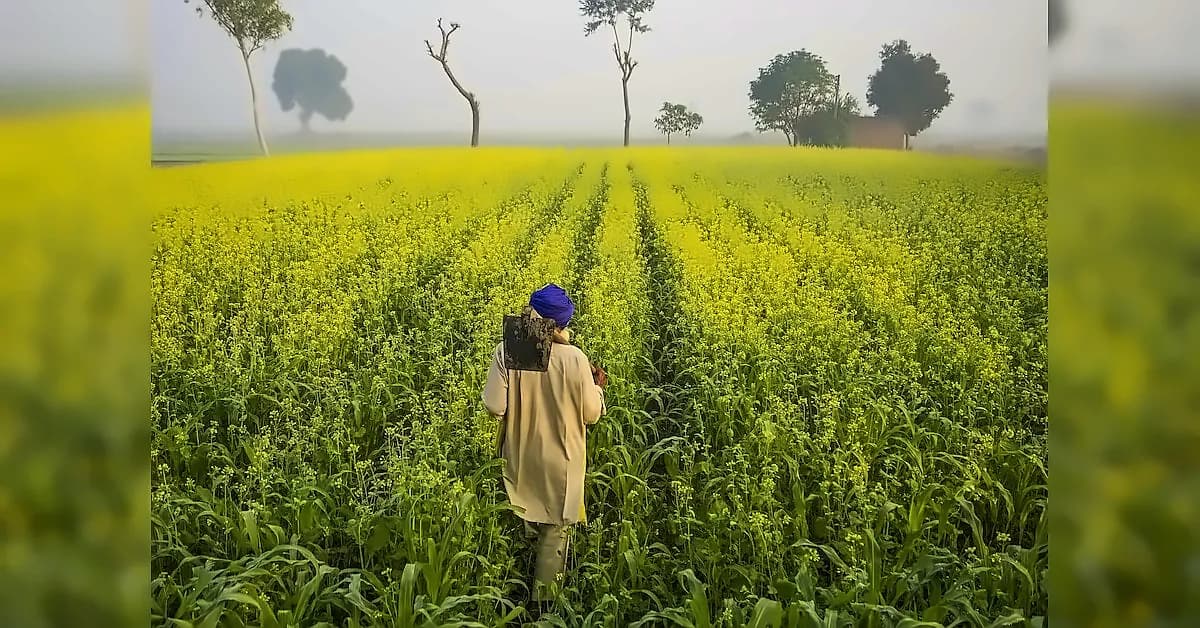
India is expected to produce a record 43.06 million tonnes of oilseeds during 2025-26, led by rapeseed-mustard, groundnut and soybean, according to Sanjeev Asthana, President of the Solvent Extractors' Association of India (SEA). As reported by The Hindu BusinessLine, despite this achievement, the country continues to import nearly 60 per cent of its edible oil requirements. With population growth, rising incomes and changing consumption patterns driving demand, edible oil remains a kitchen essential that requires strategic production improvements.
To reduce edible oil imports to around 9.5-10 million tonnes by 2030, India must significantly improve yields while tapping the potential of cottonseed oil, rice bran oil and other alternative resources, Asthana stated in his monthly letter to SEA members. According to the SEA chief, the current edible oil import bill of $18-19 billion may continue to rise if the country fails to implement these measures. The association has shared recommendations with A Ganesh Kumar, Chairman of the Commission for Agricultural Costs and Prices (CACP), focusing on launching a focused National Oilseeds Mission and accelerating crop diversification.
Geopolitical tensions, higher freight costs and logistical disruptions adversely affected oilmeal exports during the year, as reported by The Hindu BusinessLine. However, new opportunities emerged with China becoming the largest buyer of Indian rapeseed meal, witnessing exceptional growth, while South Korea strengthened its position as a major importer of castor, rapeseed and soybean meals. Despite declining exports to Bangladesh, several other markets including Kenya, Germany, Nepal and France expanded their purchases, with India's competitiveness now resting on productivity, quality and reliability rather than exchange rate advantages alone.
On balancing growth and sustainability, discussions surrounding biotechnology and genetically modified crops will continue, but all stakeholders share the common objective of enhancing domestic production while safeguarding sustainability, farmer welfare and consumer confidence, according to Asthana. Weather risks remain a concern with monsoon rainfall projected at around 90 per cent of the Long Period Average. As reported by The Hindu BusinessLine, August and September will be critical months for flowering and pod formation in oilseed crops, with any disruption during this period affecting both kharif and subsequent rabi production.