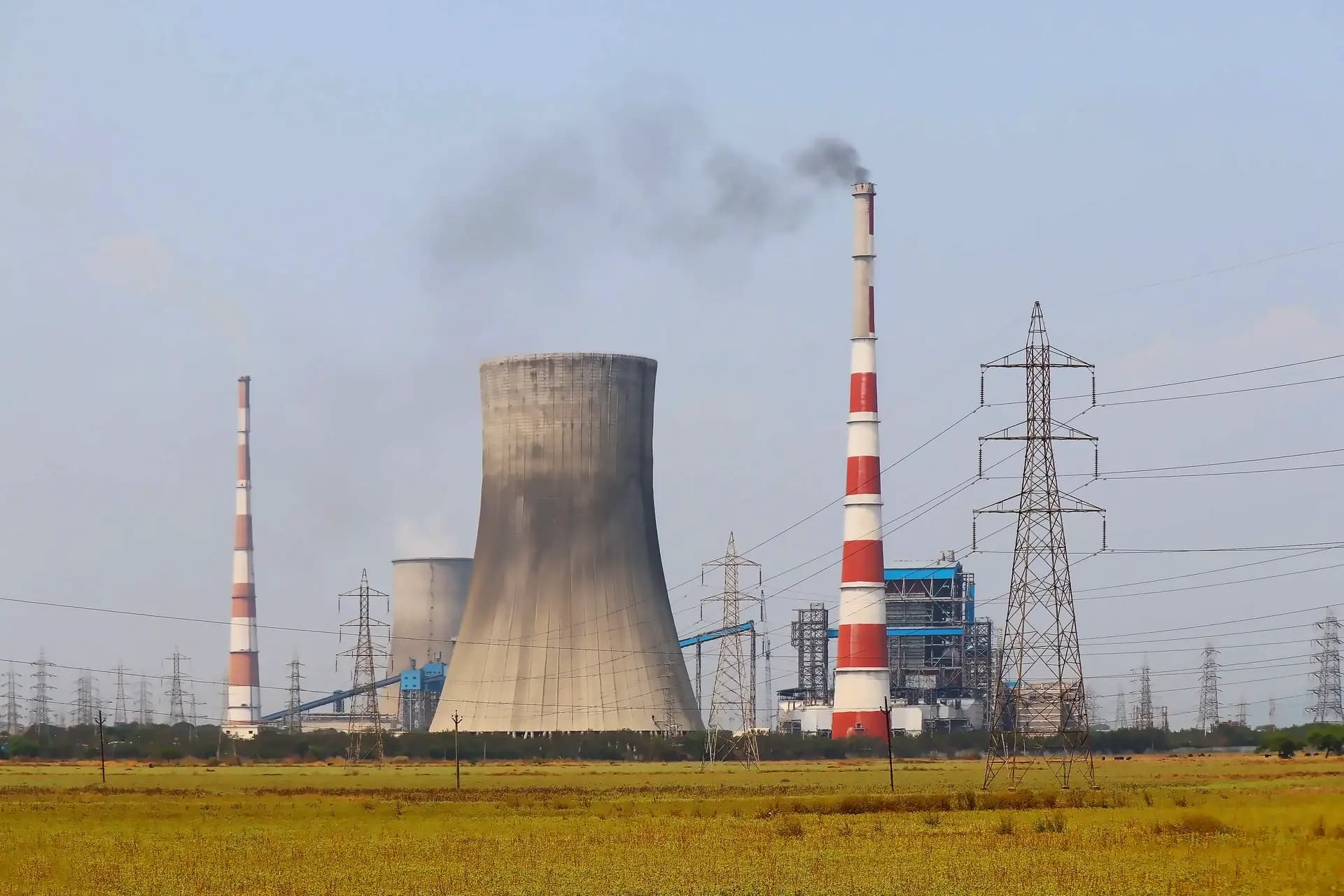
India's power sector faces a deepening coal supply crisis as 98 power plants now have critical stock levels sufficient for just 6.3 days of operations, according to the latest data from the Central Electricity Authority (CEA). As of October 23, total coal stocks at these plants stood at 19.7 million tonnes, down 8% from 21.24 mt in September 2026. This represents only 32% of the normative stock requirement of around 19-20 days, creating significant concerns over supply reliability as electricity demand surges. According to Business Standard, Vikas Gaba, partner and national head – power & utilities at KPMG India, noted that "the immediate challenge is to ensure that coal supplies keep pace with the sharp rise in electricity demand. While increased dispatches are encouraging, persistently low inventories at several power plants leave limited operational buffers and constrain planned maintenance."
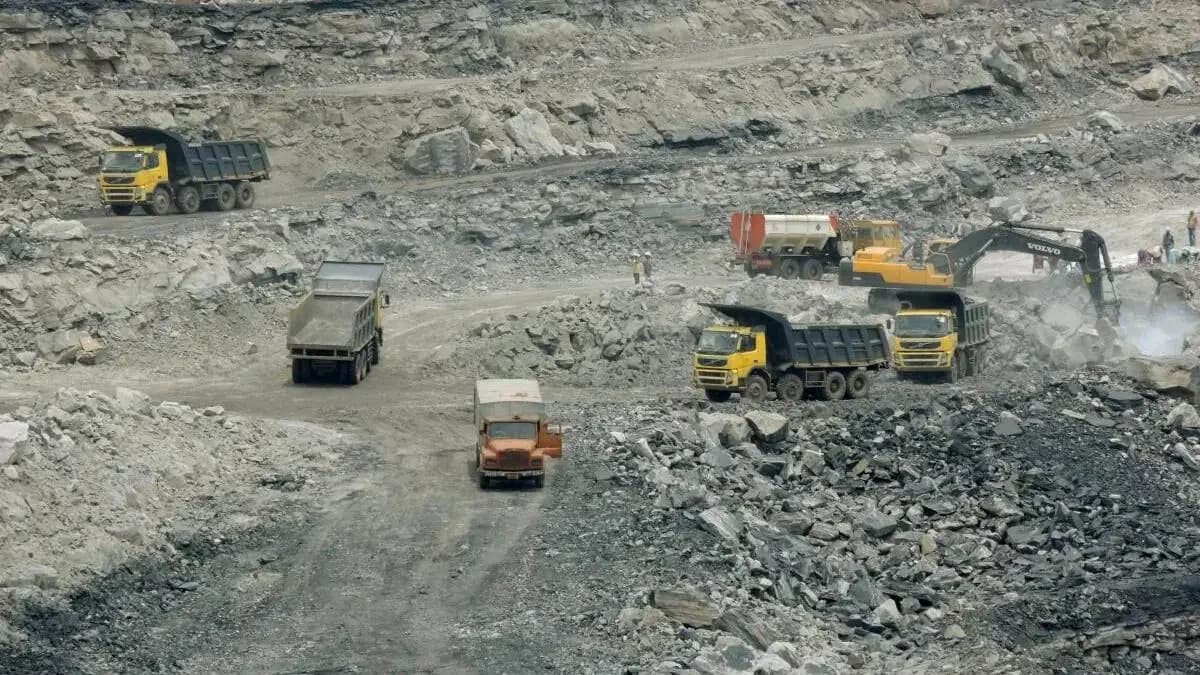
The coal supply crisis is compounded by domestic coal production declining 3.2% year-on-year in the first five months of FY27, largely due to lower output from Coal India Limited, as reported by Business Standard. However, coal supply to the power sector increased by 4% during this period, indicating improved distribution efficiency. Ankit Jain, vice-president and co-group head – corporate ratings at ICRA, explained that "a further decline in stock levels, particularly if accompanied by weaker coal production or supply constraints, may limit the sector's ability to meet any sharp surge in peak demand." The ministry has responded by ramping up supplies, with the Centre assuring 10-11 railway rakes of coal daily until November and 13-14 rakes thereafter to Gujarat state alone.
India's electricity demand has reached unprecedented levels, with India's electricity demand registering 23.4% year-on-year growth during the first 10 days of October 2026, according to Grid Controller of India Limited (GCIL) data. Gujarat state recorded its highest-ever electricity demand of 29,822 megawatts on October 16, 2026, which was 36.6% higher than the 21,822 MW recorded in October last year, as reported by the Gujarat Chief Minister's Office. Supported by higher-than-normal temperatures, sustained cooling requirements and healthy industrial activity, electricity demand remained resilient despite the end of the peak summer season. The power ministry data showed the gap between India's power demand and supply stood at 75 MW on October 24, highlighting the strain on the grid.

The coal ministry has implemented several measures to address the crisis, including requirement-based redistribution of coal to vulnerable stations to ensure adequate supplies and uninterrupted power generation. According to Business Standard, the ministry reported that stock depletion had slowed sharply, with daily drawdown falling by more than half from 0.243 mt per day in September to 0.116 mt per day in October. However, stock rebuilding has yet to commence. The ministry emphasized that the "critical stock" tag is a norm-based trigger designed to flag plants early, well before an actual fuel shortage or generation loss occurs, and is not an indication that a plant has run out of coal or is at imminent risk of shutting down. Gujarat state has secured additional power allocations from central generating stations and extended existing arrangements for 716 MW until March 2028, while seeking another 500 MW.