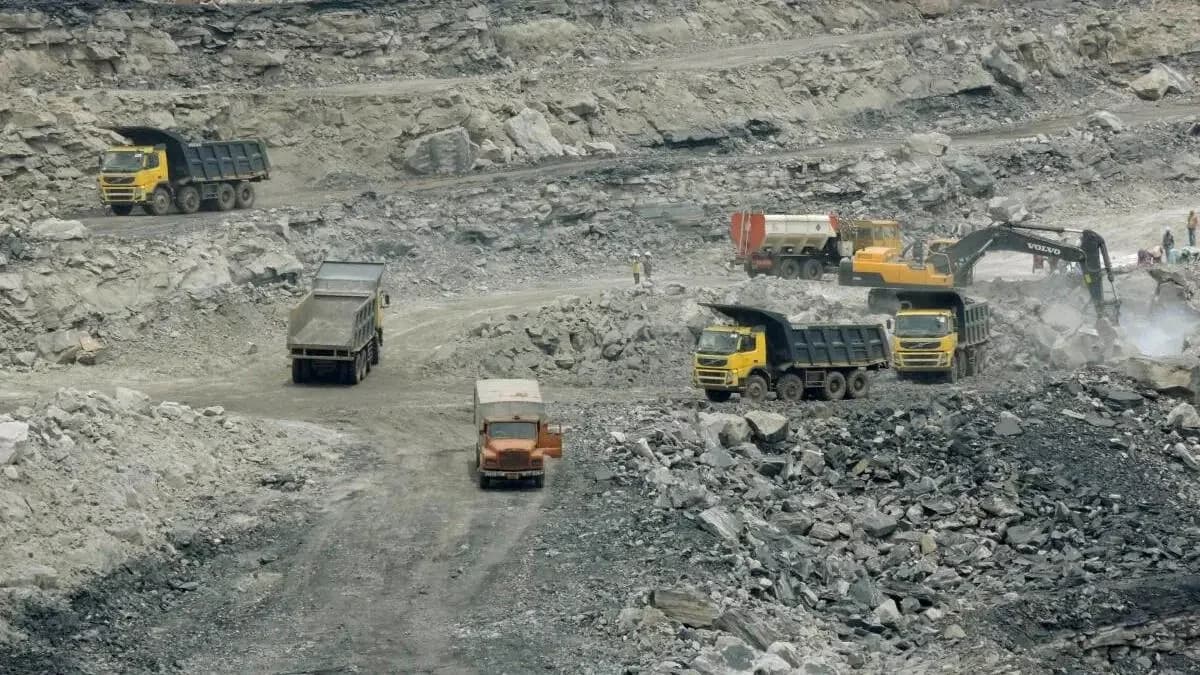
The Centre has ordered more than 100 captive coal-fired power plants to operate at maximum capacity from October 1 through year-end to meet expected rising electricity demand amid critically low coal stocks. The federal power ministry's order, invoked under emergency provisions of the Electricity Act, applies to plants with installed capacity of at least 50 megawatts. As per the order dated September 25 and seen by Reuters, the aim is to meet an "expected rise in electricity demand in the coming months" as coal stocks remain critically low at several plants.
Coal inventories at India's thermal power stations have plunged to 22.9 million tonnes on September 19, dragging the fuel cover down to just seven days and constituting only 39% of the normative stock. Of the 190 thermal plants, 74 are grappling with critically depleted stockpiles, compared to 51 plants as of August, according to Central Electricity Authority data. The CEA deems coal stocks at power plants critical when they fall 25% below the required inventory or when the plant is able to generate power for less than three days. The number of power plants with critically low coal stocks of less than 25% of the required inventory or only able to generate power for less than three days has risen sharply from approximately 60 plants last week. This surge comes amid a 230-250 gigawatts peak power demand range, with electricity demand increasing to over 255 GW in the first week of September, even reaching around 267 GW in recent days.
The emergency order covers 112 plants belonging to companies including Vedanta, Tata Steel, Hindalco Industries, JSW Steel, UltraTech Cement, Reliance Industries, Indian Oil, Bharat Aluminium, Hindustan Zinc and Nayara Energy. These plants primarily serve industrial facilities such as aluminium smelters, steel manufacturers, cement factories and oil refineries. The ministry has directed generators to sell surplus electricity through power exchanges and ordered plants to report weekly to the Central Electricity Authority detailing generation, captive consumption, power sales, available capacity and coal stocks. Separately, the ministry has extended an earlier emergency order requiring Tata Power's imported coal-fired plant in Mundra, Gujarat, to operate at full capacity until December 31, citing the demand situation.
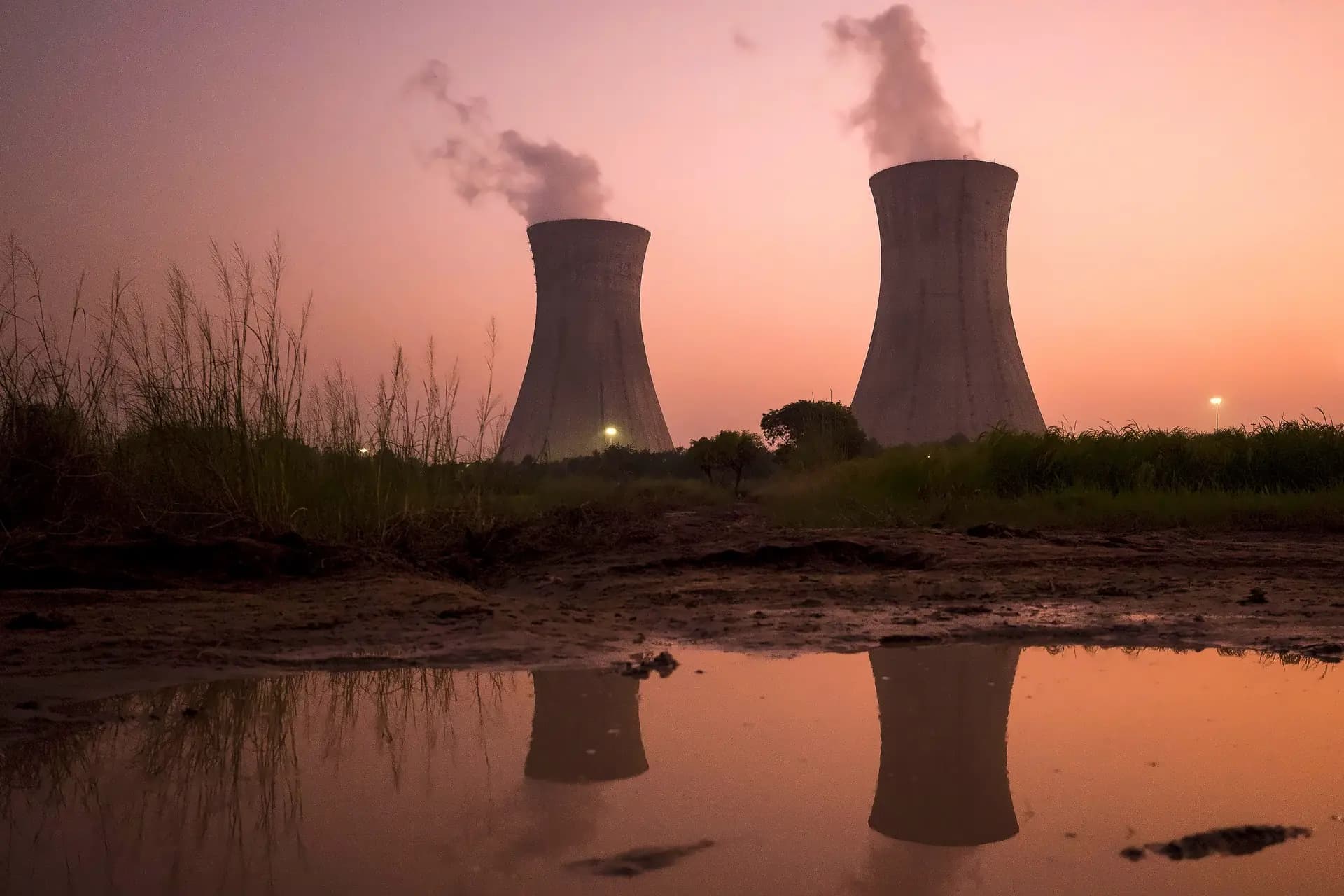
India's peak power demand has been hovering between 230 gigawatts and 250 gigawatts in recent weeks, with electricity demand increasing to over 255 GW in the first week of September. The all-time peak demand stood at 270 GW, recorded in May this year. Peak electricity demand jumped 17.6% year-on-year to 269 GW in the first 13 days of September, after increasing 12.4% in August to 258.27 GW, marking the highest peak demand ever recorded for the month of August. The elevated demand is attributed to hotter-than-usual weather linked to El Niño conditions, creating additional strain on the power generation system. Since August 31, coal stocks have dropped 24% to 22.9 MT, as the inventory situation deteriorated.
India's power system is facing unprecedented strain as a potentially driest monsoon in 17 years crimps hydropower generation, with nighttime power shortfalls reaching 7.7 GW this month - surpassing levels seen during summer heat waves. Hydropower generation fell 12% from a year earlier in the first three weeks of September, putting it on course for a fifth straight monthly decline and forcing coal plants to shoulder more demand. Coal-fired production has climbed 18% this month and 11% in the fiscal year so far as plants run harder to meet industrial and cooling requirements. A powerful El Niño has kept precipitation during the June to September season 15% below normal levels, with the deficit potentially making it the weakest monsoon since 2009. Hydropower accounts for about 9% of the country's total generation capacity, and slow capacity growth in hydro and nuclear capacity, along with insufficient energy storage, is forcing greater reliance on coal.
The decline in coal stocks appears to be a temporary logistical issue rather than a sign of structural supply constraints, according to Crisil analysts. Erratic monsoon precipitation across core mining belts hampered rail transport logistics through late August, creating supply delays to regional utilities. The Ministry of Coal announced that corrective coal supply measures are in place to address the situation at thermal power plants with critical coal stocks. Rake loading to the power sector rose to 444 rakes from 370 rakes within a week in early September. Despite renewable power generation rising 21% between April and August, coal-fired power continues to play a critical role in meeting round-the-clock demand due to the intermittent nature of clean energy sources. However, plants located near mines, among the most economical generators, held only about half the required coal reserves, highlighting the uneven distribution of fuel supplies across the network.