India's power shortage has reached critical levels as the deficit reached 560 million kilowatt-hours (kWh) in September 2026, marking its highest level since August 2023, according to Reuters. The crisis is particularly acute after sunset hours when electricity demand remains elevated despite higher coal-fired power generation. Reduced hydropower output following a weak monsoon, coal supply constraints and maintenance at thermal power plants have tightened electricity supplies across multiple states. As reported by The Times of India, September's power consumption increased 11.35% YoY to 162.2 billion units, with peak demand touching 269 GW, just short of the all-time record of 270.8 GW set in May. This surge in demand has created unprecedented pressure on the power grid, with evening peak power shortfall exceeding 7 GW due to the sharp decline in hydropower generation.
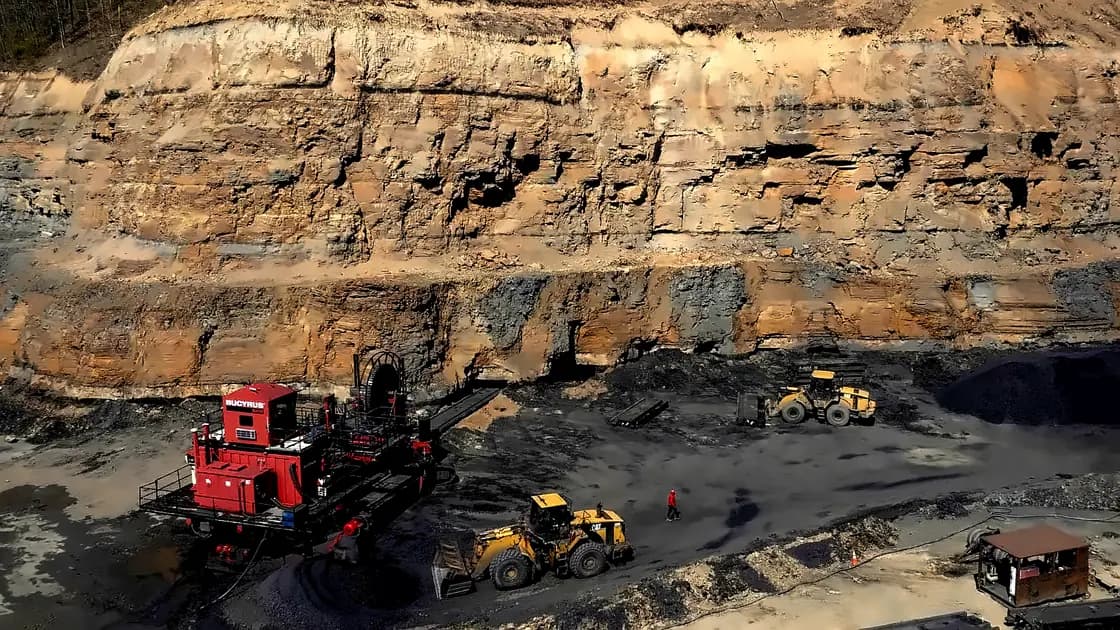
Rating agency ICRA has issued a stark warning about India's coal supply situation, stating that coal stocks at power plants stood at just six days against the 19-20-day norm, raising serious concerns about the sector's ability to meet future demand surges. As reported by Business Standard, coal stocks continue to remain below the normative requirement of around 19-20 days, with lower inventory levels providing a relatively thinner buffer against demand and supply disruptions. The agency noted that coal stock stood at around six days as of October 10, 2026, lower than the levels observed in the last three years. India's domestic coal production declined by 3.2 per cent year-on-year (YoY) in the first five months of the current financial year, largely due to lower output from Coal India Limited, but coal supply to the power sector increased by 4 per cent YoY during the period. Any further decline in coal stock levels, particularly if accompanied by weaker coal production or supply constraints, may limit the sector's ability to meet sharp surge in peak demand.
India has put on hold a proposal to ask power plants to import coal to refill their stocks, citing high international prices and a weaker rupee that have made imports more expensive, according to Bloomberg. The government had considered asking plants to mix imported coal with domestic supplies to ease the shortage, but benchmark thermal coal prices are at their highest level in three years, with a weaker rupee adding to import costs. Instead, policymakers have asked state-owned Coal India Ltd to increase production and the railways to ensure coal reaches power stations on time. The move comes after an order directing more than 100 captive coal-fired power plants to operate at full capacity from October 1 until the end of the year to meet expected growth in electricity demand.
India's electricity demand has shown remarkable resilience, with electricity demand registered YoY growth of 23.4 per cent during the first 10 days of October 2026, reflecting the continuation of strong demand trends seen during FY27, according to Business Standard. Electricity demand growth remained robust at 10.2 per cent YoY in the first six months of FY27. Supported by higher-than-normal temperatures, sustained cooling requirements and healthy industrial activity, electricity demand remained resilient despite the end of the peak summer season. Further, spot power tariffs on the Indian Energy Exchange (IEX) averaged ₹7.7 per unit as of October 10, 2026, compared with ₹7.3 per unit in September 2026 and ₹2.6 per unit in October 2025. While tariffs moderated on a sequential basis due to adequate supply availability, particularly during solar hours, they remained higher than the year-ago level, supported by healthy electricity demand.
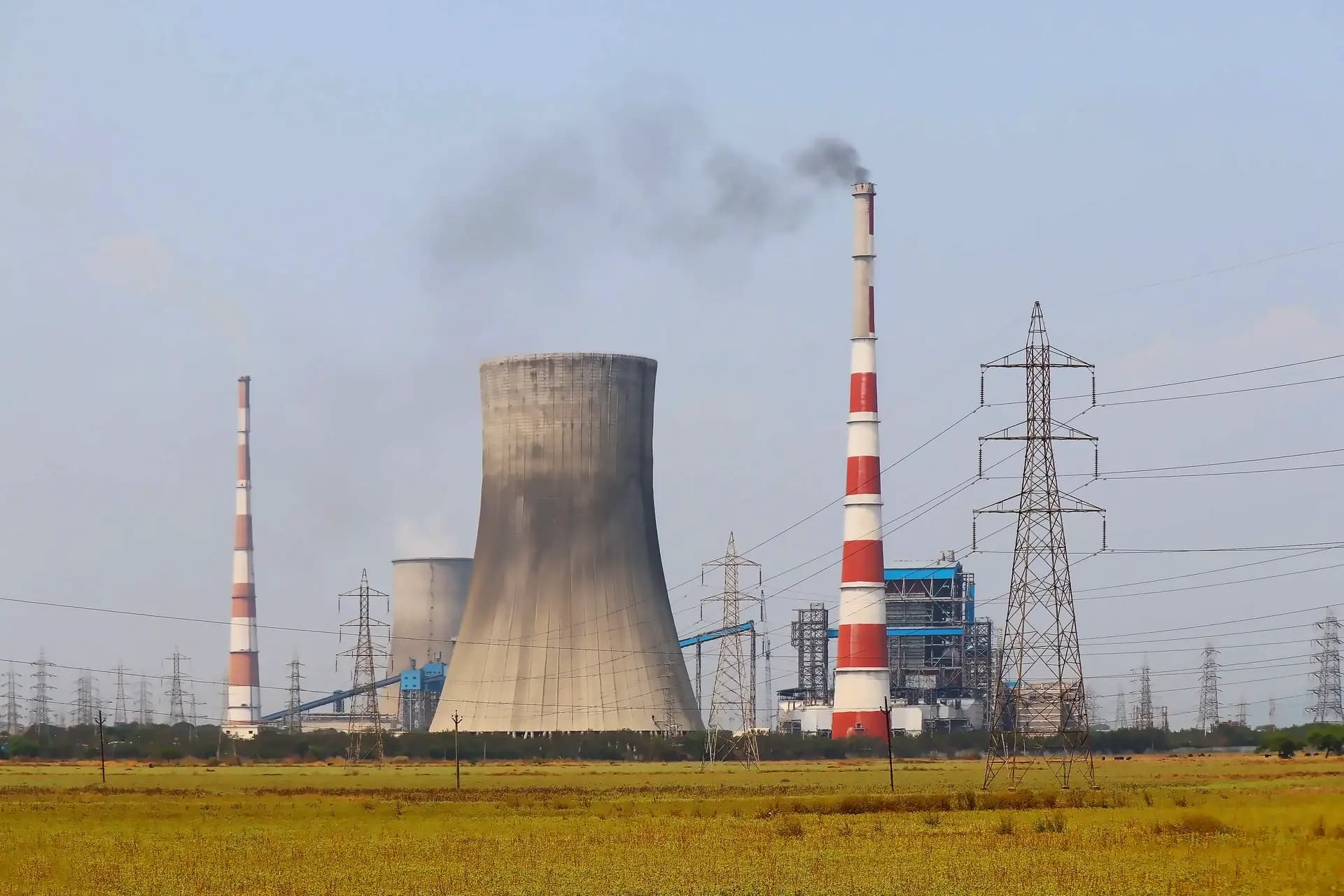
India's power sector faces mounting pressure from rising electricity demand driven by economic growth and changing weather patterns. Daily peak electricity demand this year has been running about 45 gigawatts to 50 GW higher than a year earlier, partly because weaker monsoon rains reduced hydroelectric output and increased reliance on thermal plants, according to Business Standard. Coal-fired generation rose 13.3% in September from a year earlier, while hydropower generation fell 20% from a year ago, the CEA data showed. Coal-based generation accounted for 69.54% of the country's power generation in April-June 2026, according to the Power Ministry. Nearly 55% of India's power generation now comes from non-fossil fuel sources, but the country still depends on coal-fired plants during periods of high demand because it lacks enough batteries to store electricity generated from clean energy sources. The El Niño weather pattern has affected rainfall, reducing hydropower use and adding pressure on coal-fired plants.