Coal stocks at thermal power plants have declined 29% in just over a month, falling from 38 million tonnes at the end of July to 27.14 million tonnes on September 4, according to Coal and Power Ministry data. The number of plants with critical coal stocks has simultaneously risen from 51 to 58 in just five days, indicating that roughly one-third of the cumulative operating coal-based capacity of approximately 224 gigawatts is now carrying critical supplies. This represents a significant deterioration in coal inventory levels across India's thermal power sector, with the actual volume of coal stocks dropping from 28.6 million tonnes on September 1 to 26.9 million tonnes on Saturday, marking a 6% decline within five days. As per The Hindu BusinessLine, the number of plants holding less than 25% of required coal inventories has risen sharply to 58 by September 5 from 46 at the end of August, with 53 of the affected plants being domestic coal-fired facilities.
The primary cause of the stock decline is historically stretched supplies during monsoon season, as heavy rains hinder mining activity and transport operations. According to the latest data, coal-bearing states of Odisha, Jharkhand and Chhattisgarh witnessed heavy to very heavy rains during August, further impacting transport infrastructure. The Ministry expects heavy rains to continue in September, which are expected to start moderating by mid-month. Additionally, thermal power plants are burning more coal due to sustained high power demand since April, with energy consumption reaching 171 billion units in July - the highest on record for any month. However, Coal India's pithead stocks continue to be at a record high of 76 million tonnes, highlighting constraints at the logistics end rather than production and availability. As per The Hindu BusinessLine, heavy rainfall in key coal-rich Indian states has hit mining and slowed fuel transportation for power plants.
In response to the critical situation, India is increasing coal shipments by rail to power plants after fuel inventories at several generators fell to critically low levels. According to the coal ministry, rake loading to power plants increased to 444 rakes on September 6 from 370 on September 3, marking a significant surge in emergency dispatches. The movement included an addition of 31 rakes on September 6 alone, with the dispatch trajectory recording consecutive daily gains through the opening week of September. A surge in coal dispatches from state-run Coal India, its subsidiaries, and private mines has helped lift supplies, with total rake loading to the power sector increasing by 74 rakes per day, or about 20%, between September 3 and September 6. The Ministry stated that "the number of critical thermal plants is being closely monitored, with corrective coal supply measures already in place to further ease the position at these plants." In August, CIL supplied 60.60 million tonnes of coal, registering a 5.50% increase from supplies in the same month last year, with supplies to the power sector rising 4.5% to 48.46 million tonnes compared to August 2025. The improvement was reported across most coal-producing companies, with Mahanadi Coalfields Ltd recording the sharpest single-day increase of 12 rakes to 111 on September 6.
Rising electricity demand during evening and night hours, driven by above-average maximum and minimum temperatures and humidity, has significantly increased power exchange activity. Indian Energy Exchange recorded its highest ever monthly electricity traded volume of 13.938 billion units in August 2026, up from 13.527 billion units in July. The frantic buying activity pushed up prices, with the average market clearing price in the Day-Ahead Market at IEX standing at ₹4.88 per unit in August, representing a 22% year-on-year increase. Similarly, the average MCP in the Real-Time Market stood at ₹4.41 per unit, registering a 30.4% year-on-year growth. Coal accounts for about three-quarters of India's electricity generation, making uninterrupted fuel supplies crucial for maintaining grid reliability. According to Mint, India's power demand surged to 256 gigawatts in the first week of September, leaving shortages above 20 million units. The Central Electricity Authority projects peak demand to touch 272 GW this year, with electricity shortages staying above 20 million units during the first week of September, led by northern and western states. As per CNBC TV18, India's peak power demand has been hovering near the record 270.70 gigawatts touched in May, with demand consistently reaching around 267 GW over the past few days, driven by increased cooling needs amid an El Niño weather pattern.
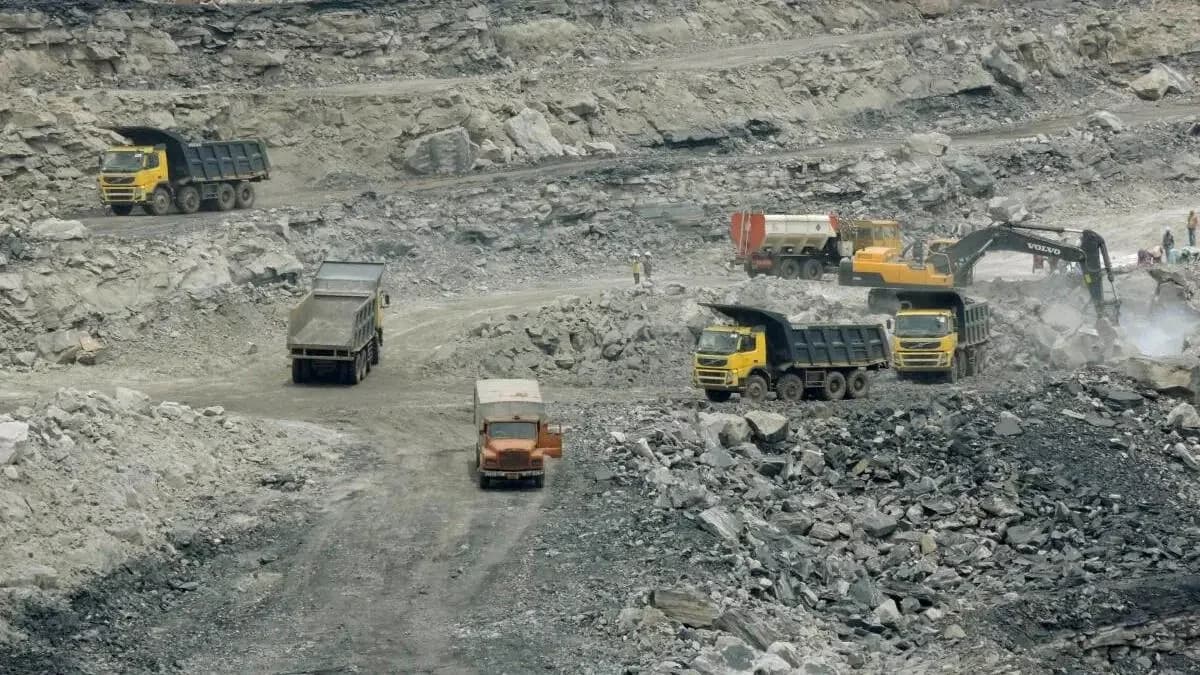
Union Minister of Coal and Mines G Kishan Reddy has provided reassurance about India's coal supply situation, stating that the country maintains 123 million tonnes of coal reserves, sufficient for 51 days of requirements. As per The Hindu BusinessLine, Reddy said the rains had affected coal production for around 10 days, but the situation has since improved significantly. "With the rainfall subsiding over the last two or three days, production has increased significantly; therefore, there is no cause for concern in the country," Reddy stated. He added that power companies themselves currently hold coal stocks sufficient for around 23 days, with the government ensuring supplies to areas where coal is required. The minister emphasized that "major power generation companies and their plants are facing no difficulties in electricity production," ruling out concerns over coal availability despite temporary disruptions during the monsoon season. However, analysts remain concerned about the deteriorating situation, with Manoj Kumar from the Centre for Research on Energy and Clean Air noting that "the increasing number of power plants with lower coal stocks is a concern." While clean energy, mainly solar power, is meeting much of the daytime electricity demand, insufficient battery storage and lower water reservoir levels are putting pressure on coal-fired generation, with analysts suggesting India should increase coal supplies through the rail network to maintain normal stock levels.