US President Donald Trump on Tuesday claimed that 19 million barrels of oil flowed out of the Hormuz Strait on Monday, which he described as an all-time record. As per The Hindu BusinessLine, Trump wrote on Truth Social that "Oil prices are tumbling down, and the world is a much safer place." The president has been asserting that continuing the war against Iran would have caused economic catastrophe, representing an effective acknowledgment of Iran's leverage in negotiations through the closure of the Strait of Hormuz. This dramatic increase from previous levels demonstrates the significant impact of the US-Iran peace agreement on regional energy flows.
Eleven India-bound vessels have successfully transited through the Strait of Hormuz following the US-Iran peace agreement signed on June 17, according to the Ministry of External Affairs (MEA). As per MEA spokesman Randhir Jaiswal, 10 Indian-flagged vessels remain in the Persian Gulf region, with two additional vessels having recently arrived. The latest crossings include three Indian-flagged crude oil tankers, each carrying over 285,000 metric tonnes of crude oil, along with one foreign-flagged LPG carrier, one foreign-flagged crude oil tanker and six foreign-flagged bulk carriers carrying fertilisers. Jaiswal expressed optimism that the remaining India-flagged vessels would also be able to cross the Hormuz soon, marking a significant recovery from the previous disruptions.
On Monday, the US formally waived sanctions on Iranian oil for a 60-day period, in line with the memorandum of understanding agreed to by Washington and Tehran last week. According to The Hindu BusinessLine, the Office of Foreign Assets Control published General License X on Monday, which authorises a broad array of transactions pertaining to shipments of Iranian crude, petroleum products and petrochemical products through to August 21. This legal framework has provided the necessary regulatory clarity for oil shipments to resume through the strait, contributing to the record traffic flows reported by Trump. The sanctions relief represents a significant shift from the previous blockade that had severely impacted energy supplies to countries around the world.
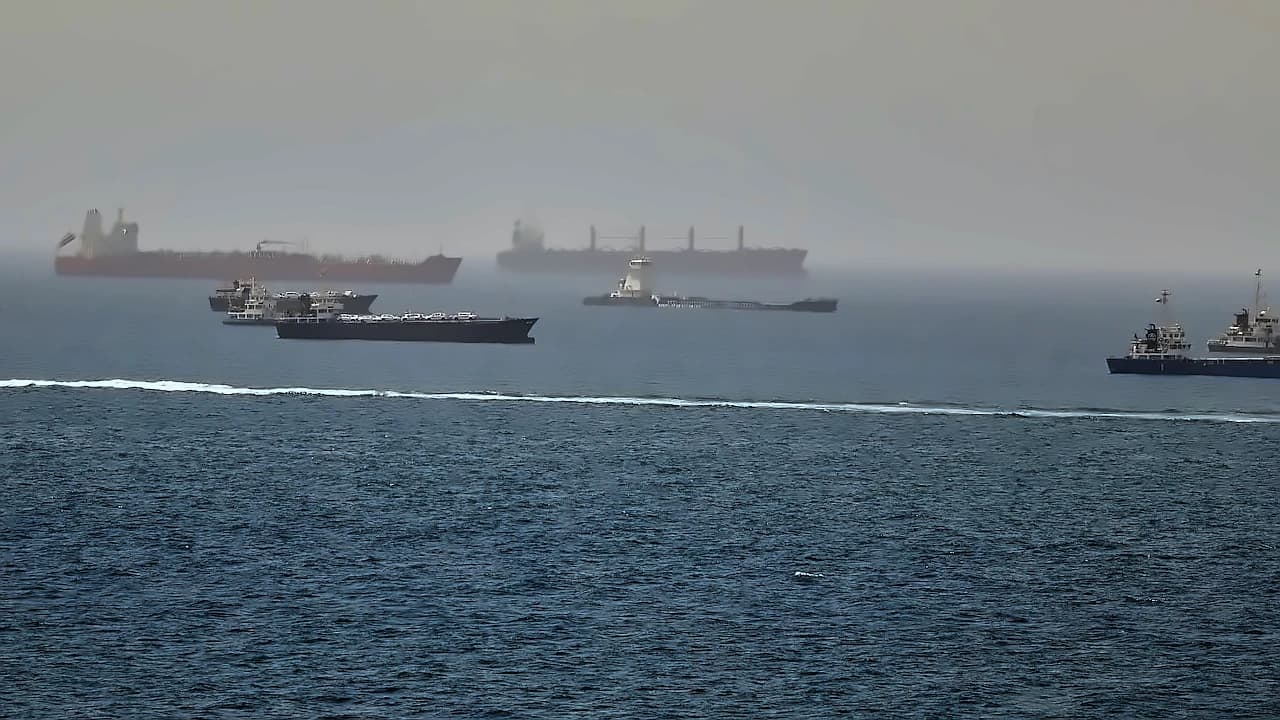
Despite Iran's claims of closure, oil tankers continued transiting Hormuz via Oman's coast, with five laden oil supertankers with a combined transport capacity of 8 million barrels entering or traveling inside the strait on Saturday and Sunday. According to Bloomberg News ship-tracking data, US Central Command reported that 17 million barrels had passed through Hormuz despite Iran's media reports of closure. The Gulf Sunrise, hauling about 2 million barrels of Saudi crude to Japan, is now crossing the Gulf of Oman after vanishing from screens near the strait apex on Saturday. The Angola B, loaded with Emirati crude, was last seen rounding the tip of the Musandam peninsula, an Omani exclave that juts into Hormuz. Two smaller Suezmax-class vessels, the Nordic Cross and Nordic Pollux, last signaled early Sunday from a location on course to travel along the Omani route. The naval notice from the Joint Military Information Center early Saturday morning advised that mariners may transit the southern route day or night with their AIS on, radars radiating, running lights on, and normal use of VHF.
Oil prices ticked lower Tuesday with Brent crude futures, the international benchmark, falling 45 cents to $77.45 a barrel, while West Texas Intermediate futures declined 34 cents to $73.52, as reported by The Hindu BusinessLine. The price decline reflects the market's response to the increased supply flows through the Hormuz Strait and the broader geopolitical developments. The record traffic flows reported by Trump have contributed to the downward pressure on oil prices, as the market adjusts to the improved supply situation. This represents a significant shift from the previous period when Iran's closure of the strait had contributed to elevated energy prices and supply concerns for major oil consumers including India.