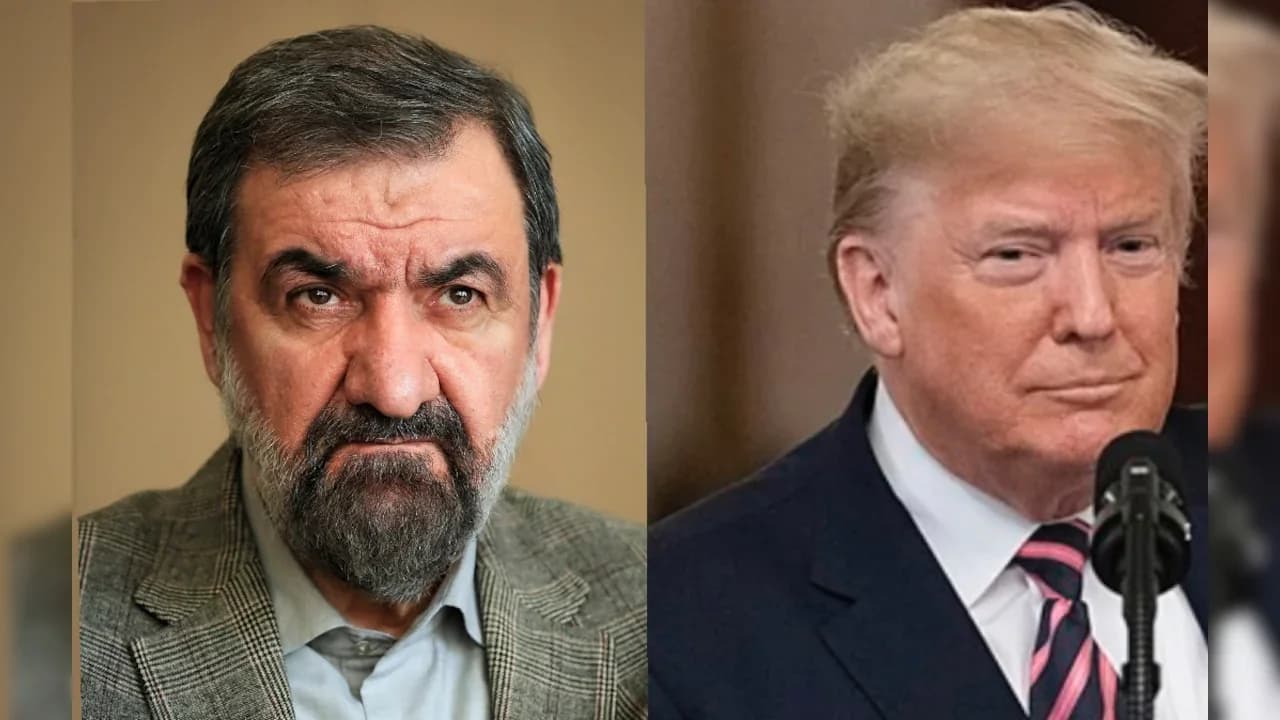
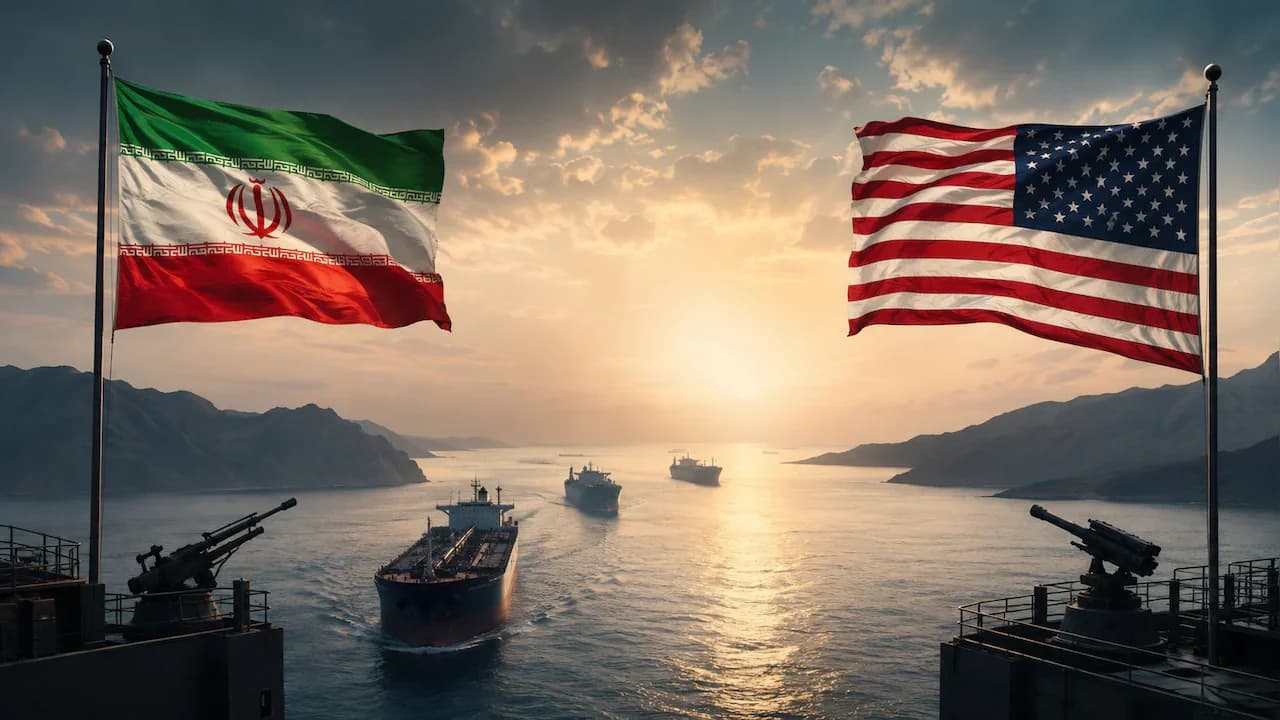
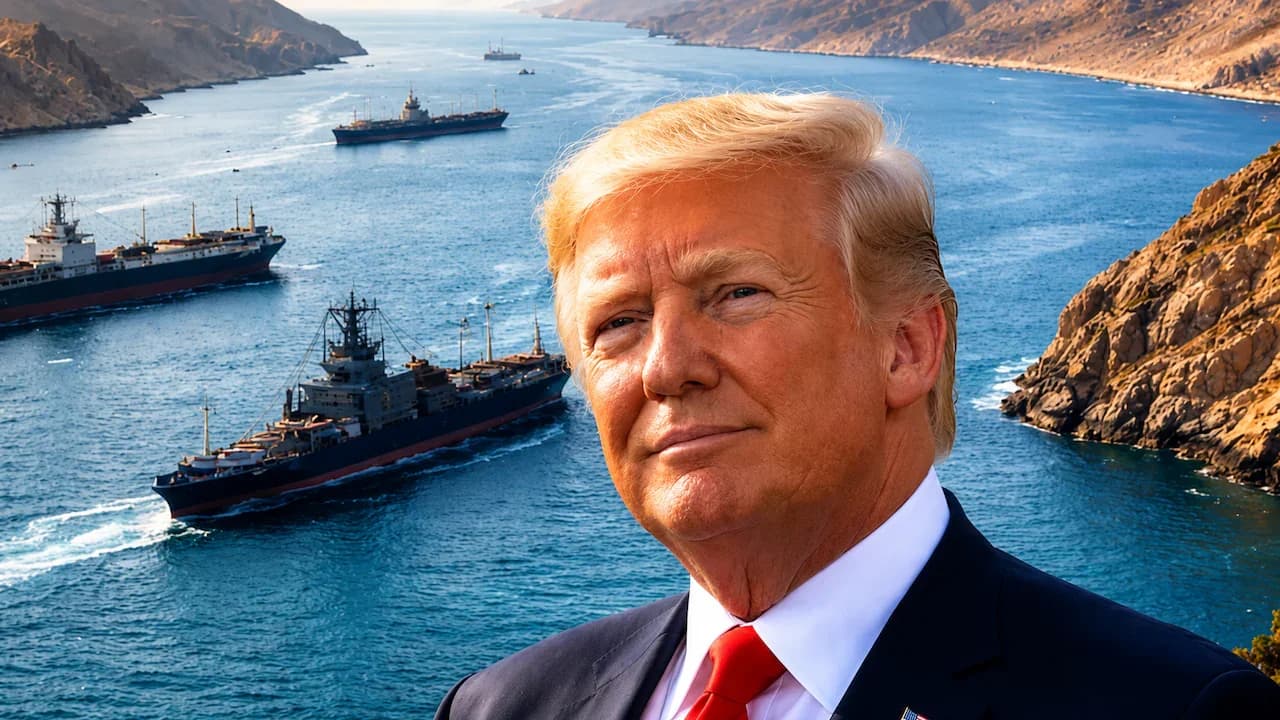
US President Donald Trump claimed at a rally in Myrtle Beach, South Carolina, that the Strait of Hormuz is 'American territory' amid escalating tensions with Iran. Speaking to reporters at Joint Base Andrews before departing for the rally, Trump said 'We're just going to sort of see what happens, and we have total control, as you know, of the border; we have total control -- if you look at the blockade, we have total control of that entire region having to do with the Strait of Hormuz.' According to Al Jazeera, Trump stated 'We went down, and we stopped them; they will never have a nuclear weapon,' adding 'We cannot let them have a nuclear weapon; we cannot let Iran have a nuclear weapon, or you will see some very bad things.' This represents a significant escalation from Trump's previous claims of '100% success' in the naval blockade, now asserting direct territorial control over the strategic waterway.
Iranian officials have strongly rejected Trump's territorial claims, with Deputy Foreign Minister Kazem Gharibabadi stating that the US President's assertions would be 'corrected' either by circumstances or by Iran. According to Business Standard, Gharibabadi said, 'Just as Trump correctly wrote the name of the eternal Persian Gulf, soon his delusion regarding the Strait of Hormuz will either be corrected or we will correct the delusions of this deluded man.' Iran's Supreme National Security Council head Mohsen Rezaei also criticised Trump's remarks, saying, 'The gap between America's inability to reopen the Strait of Hormuz and its claim to own it is greater than the 7,000-mile distance between Washington and the Strait itself.' This rejection comes as negotiations aimed at ending the more-than-five-month conflict remain deadlocked, with Iranian Parliament Speaker Mohammad Bagher Ghalibaf saying Tehran would not reopen the Strait until the United States fulfilled commitments under a 14-point Memorandum of Understanding.
Iranian Foreign Minister Seyed Abbas Araghchi has hit back at US President Donald Trump's warning of an Economic D-Day for countries and entities helping Tehran, saying Washington's own economic problems are being overlooked. According to Business Standard, Araghchi shared a screenshot of a New York Times report on X and wrote, 'The so-called ''Economic D-Day'' is a diversion from America's own crisis: unprecedented debt & surging interest costs. Doubling down on failed policies will only bring further defeat—and enmity of Iranians. US economic terrorism threatens global economy and sovereignty worldwide.' The NYT report cited by Araghchi said US national debt had crossed $40 trillion after decades of borrowing, with the US government owing $40.05 trillion as of the latest data, up $2.90 trillion, or 7.8%, from the same period a year earlier. This response comes after Trump announced what he called the 'most crushing economic operation' ever taken against a country, targeting Iran with economic warfare and isolation.
Trump has escalated economic pressure on Iran, describing his administration's measures as the most crushing economic operation ever imposed on a country, while warning countries, businesses and institutions providing economic support to Tehran of severe consequences. In a post on Truth Social, Trump said, 'ANY country that allows its financial institutions, businesses, airports, or government entities to provide any type of lifeline to Iran will itself face TREMENDOUS Economic Consequences.' He specifically cited oil smuggling, swap lines, cash transfers, exchange houses, ship registries and front companies, adding, 'This will be an ECONOMIC D-DAY, and we need all of our Allies to stand with the United States of America to isolate, and defeat, the Iran threat.' Washington has already imposed extensive sanctions targeting Iran's oil, shipping and financial sectors, including companies, brokers and tankers accused of facilitating Iranian oil exports. The latest exchange comes after Trump asked envoys to halt talks with Tehran, while the UAE suspended trade, commercial exchanges and financial transactions with Iran, citing intensifying regional tensions.
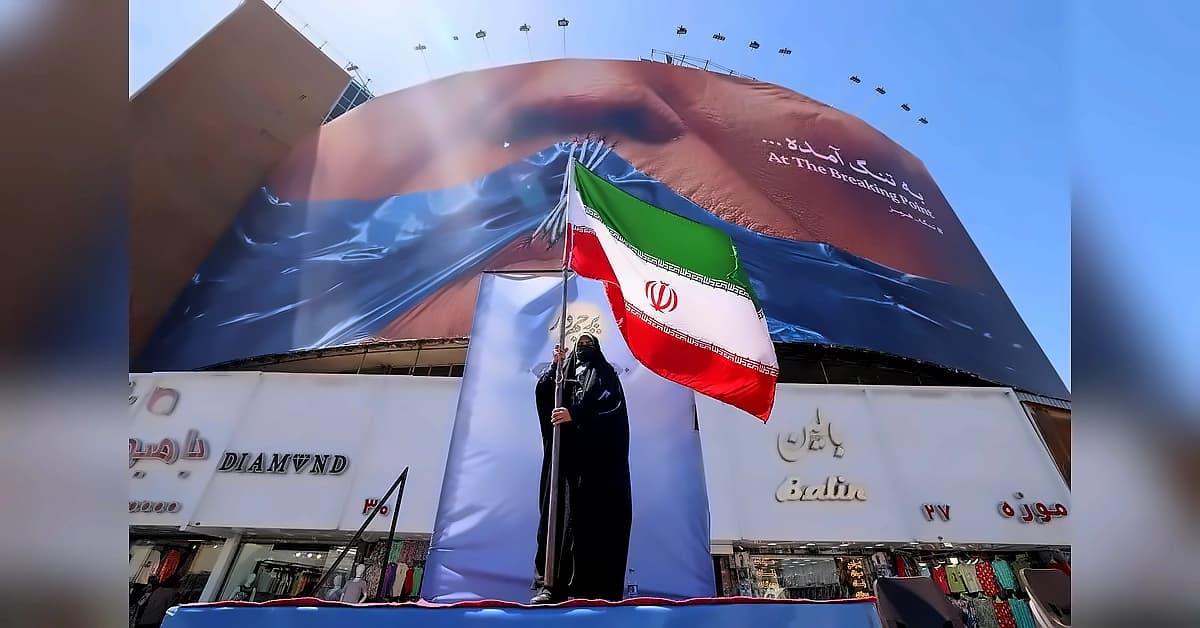
Ebrahim Azizi, head of the National Security Commission of Iran's Parliament, issued a separate warning on X, stating 'We are watching your every move. Any further mistake or miscalculation will carry consequences far greater than before.' He wrote, 'End your presence in the region immediately, before it is too late, and accept Iran's new regional order.' This warning comes as negotiations aimed at ending the more-than-five-month conflict remain deadlocked, with Monday marking the day by which Iran and the United States were expected to reach a final deal under a memorandum of understanding agreed in June. The MoU signed on June 17 set out a 60-day timeframe, extendable by mutual consent, by which Washington and Tehran should reach a broader agreement on issues including limiting Tehran's nuclear programme and lifting U.S. sanctions. However, that interim deal quickly unravelled due to a dispute over control of the Strait of Hormuz, with Iran saying point 5 of the MoU gave it the right to manage the strait, which it shares with US ally Oman, while Washington rejected that interpretation.