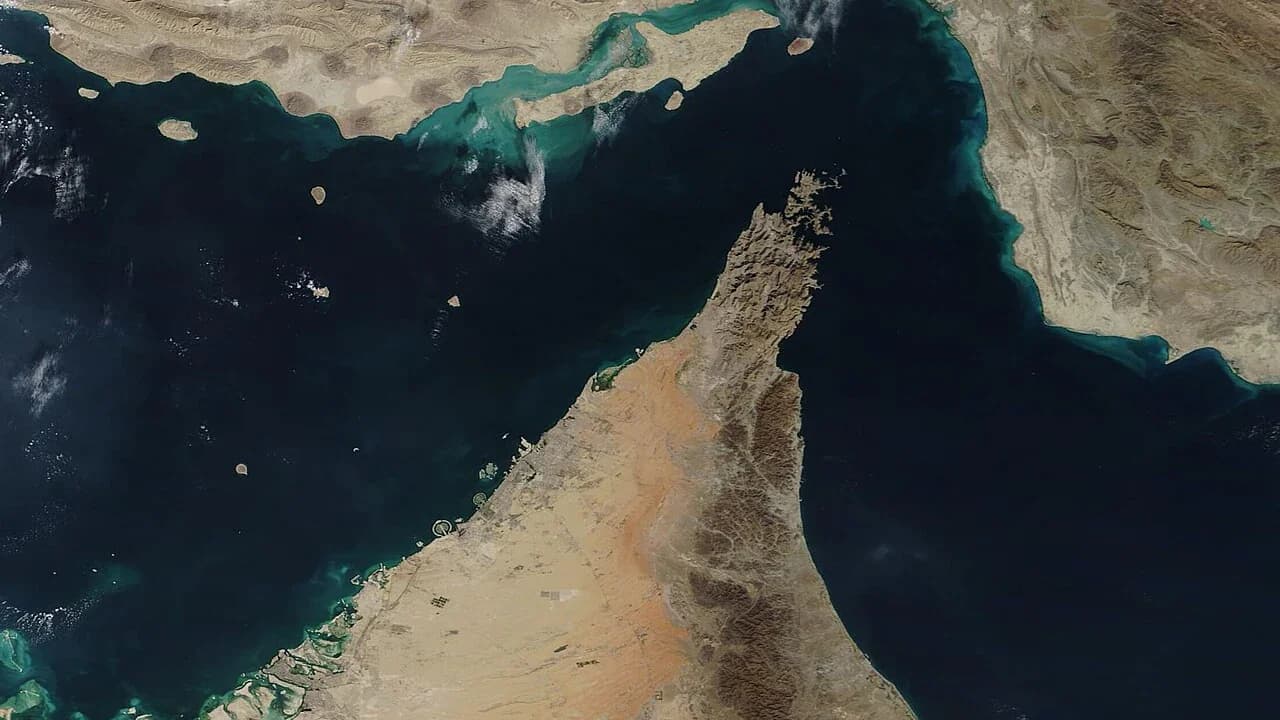
Commercial shipping through the Strait of Hormuz plunged to a five-week low on Sunday, as escalating military tensions between the United States and Iran severely disrupted the world's most critical energy chokepoint. According to ship-tracking data from Kpler, daily traffic dwindled to just six vessels, representing a dramatic decline from normal operations. The latest data shows among those navigating the waterway were three empty tankers entering the Gulf to load cargo, the VLCC Humanity exiting with two million barrels of Iranian crude, and the Capetan Andreas carrying 500,000 barrels of refined Kuwaiti petroleum. Notably, no liquefied natural gas carriers risked the transit over the weekend, highlighting the severe disruption to normal shipping patterns. This represents a significant escalation from previous disruptions, with vessel traffic through the strait having declined after Iran's announcement, according to data from maritime tracking platform MarineTraffic, reflecting growing caution among shipping companies.
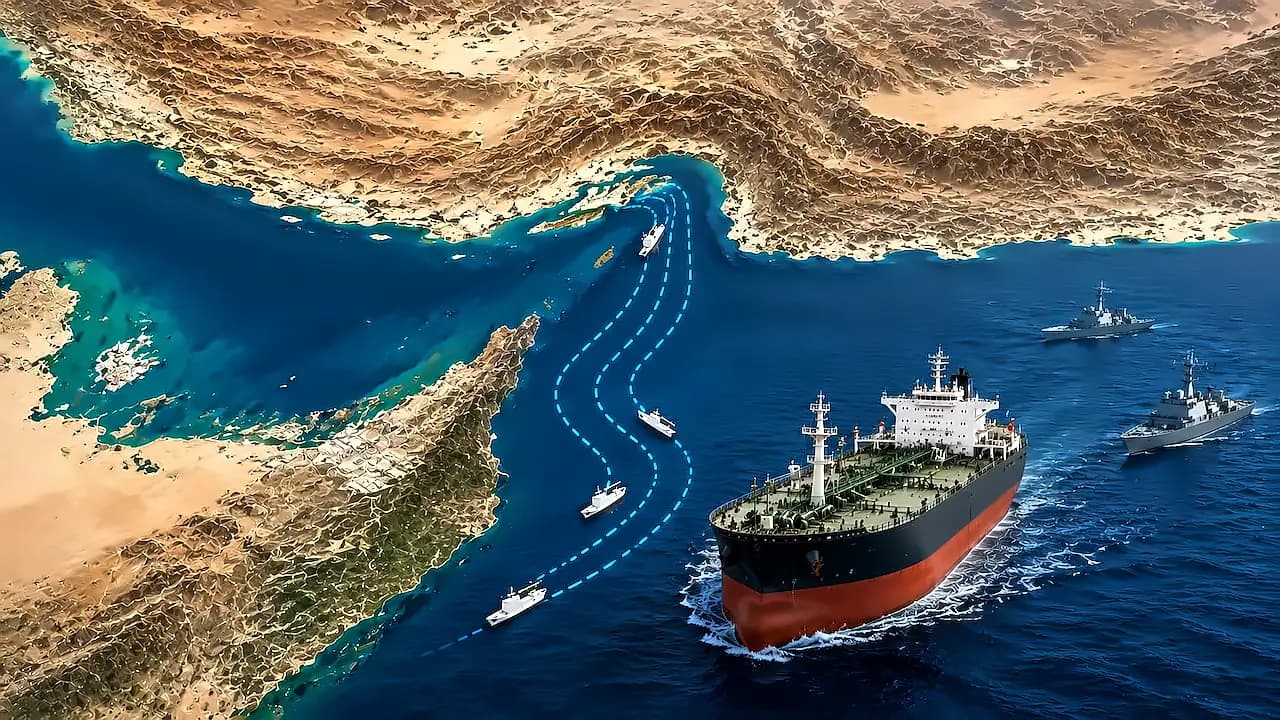
Iran's Islamic Revolutionary Guard Corps (IRGC) fired at commercial vessels transiting the Strait of Hormuz in the early hours of Monday, with US aircraft successfully shooting down an Iranian cruise missile and one-way attack drone in response, according to CENTCOM. The Command spokesperson Captain Tim Hawkins confirmed the naval engagement to Axios's Barak Ravid, stating that IRGC forces had fired at commercial shipping transiting the strait over the past hour. This latest development comes hours after Iran claimed to have launched a fresh wave of missile and drone strikes on American bases in the region, with the announcement following hourslong US strikes targeting central and southern Iran, including Bandar Abbas, Qeshm Island and Sirik, which CENTCOM said were aimed at degrading Tehran's ability to threaten shipping in the strait. The Iranian Persian Gulf Strait Authority separately announced that transit through Hormuz was not possible at present, citing what it called illegal movements by US forces in the region and reasserting a closure it had first declared days earlier after the IRGC struck a commercial cargo ship.
US President Donald Trump reaffirmed on Sunday that the Strait of Hormuz remains open to commercial traffic during an interview on NBC's Meet the Press, even as the US and Iran continue to exchange attacks that have raised concerns about safety along one of the world's most important oil shipping routes. The latest developments come after Iran's Islamic Revolutionary Guard Corps struck a container ship traveling through the Strait of Hormuz on Sunday, with the US military launching another round of strikes in response. Trump made the remarks during an interview on NBC's Meet the Press, maintaining his position that the strategic chokepoint remains accessible despite Iran's military declarations to the contrary. The statement comes as a series of attacks between the US and Iran over the past several days led President Donald Trump to declare the end of a ceasefire meant to halt the fighting that the US and Israel began on February 28.
At least one person was killed and four injured when a projectile struck an agricultural water pumping station in Mahshahr in southern Iran, according to state news agency IRNA. The latest naval flare-up represents the latest breach of a memorandum of understanding signed between Washington and Tehran in mid-June, marking a significant escalation from previous diplomatic efforts. The situation intensified when Iran said it closed the vital Strait of Hormuz after firing a warning shot that struck a vessel traveling on an unapproved route. US Central Command identified the vessel as the M/V GFS Galaxy, a Cyprus-flagged container ship, saying it suffered significant engine-room damage and that a civilian crew member was missing. This latest incident represents a significant escalation from Iran's previous military declarations, with the country now taking direct action against vessels using unauthorized routes through the strait.
Oil prices climbed on Thursday, extending gains for a third consecutive day after the United States carried out fresh strikes on Iran, weakening hopes of a resolution to the Iran war and delaying expectations of a full reopening of the Strait of Hormuz. Brent crude futures gained 78 cents, or 1%, to $78.8 a barrel while U.S. West Texas Intermediate (WTI) crude futures rose 74 cents, or 1.01%, to $74.26 a barrel. The strikes reportedly shook several cities along Iran's southern coast and left parts of the region without electricity. Despite authorities maintaining that navigation remains possible, US and international maritime authorities indicated that shipping continues through the waterway, albeit under heightened security. The United Kingdom Maritime Trade Operations (UKMTO) also maintained its assessment that the security risk in the Strait of Hormuz remains at the highest level, classifying it as severe. The latest developments show signs of military escalation beyond the strikes, with sporadic electronic interference returning to the region and vessels appearing to travel at unusually fast speeds of at least 30 knots early on Thursday.