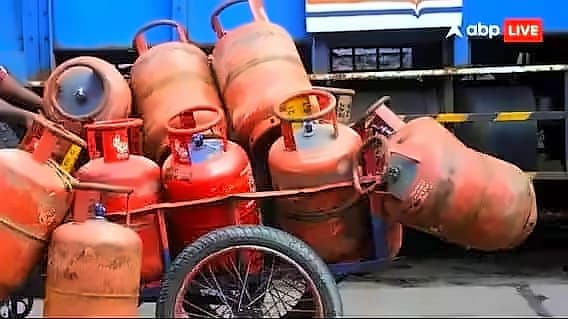
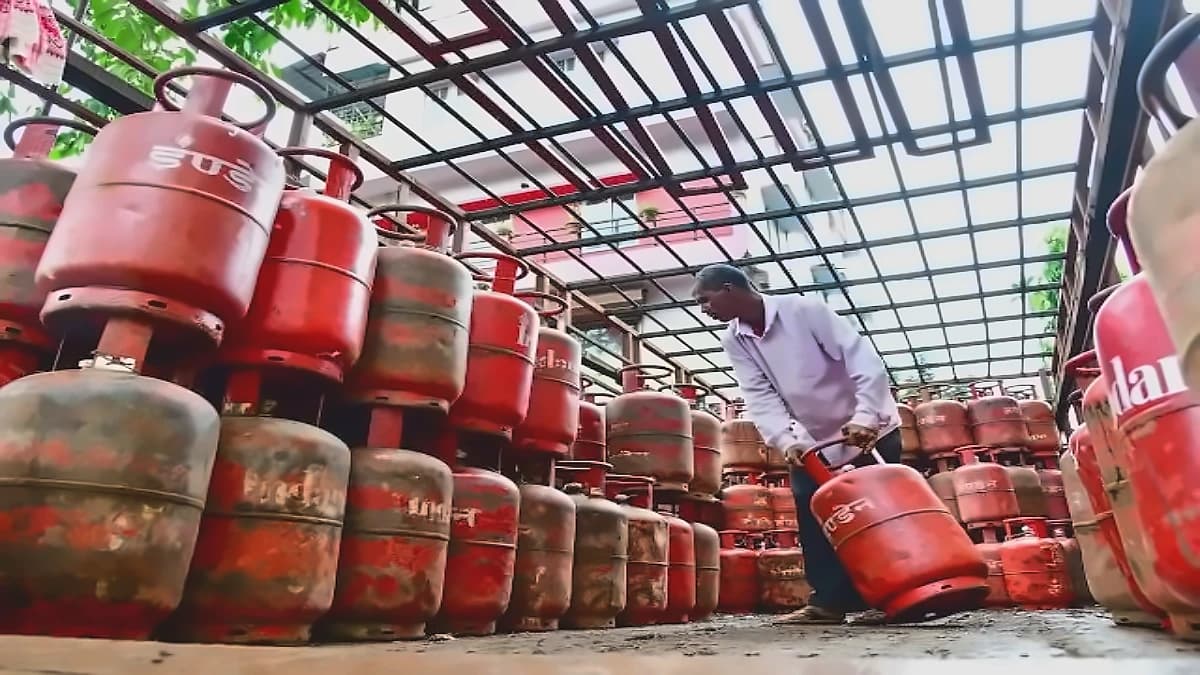
Oil marketing companies have implemented their first price revision of September 2026, with 19kg commercial LPG cylinders increasing by ₹9.50 to ₹11.50 per cylinder across major Indian cities. According to latest reports from Goodreturns, 19kg commercial cylinders now cost ₹2,747.50 in Delhi, ₹2,701 in Mumbai, ₹2,916.50 in Chennai, ₹2,764.50 in Gurgaon, ₹2,747.50 in Noida, ₹2,769.50 in Chandigarh, ₹2,870 in Lucknow, ₹2,776 in Jaipur, ₹2,784 in Thiruvananthapuram, ₹2,831 in Bangalore, ₹2,919 in Bhubaneswar, and ₹2,996 in Hyderabad. The highest increase of ₹11.50 was recorded in Kolkata at ₹2,884 per cylinder, while Patna emerged as the most expensive city at ₹3,029 per cylinder. 5kg non-domestic LPG cylinders have also been raised by ₹2, increasing from ₹762 to ₹764, though regular 5kg LPG cylinders and XTRALITE cylinders remain unchanged following the latest revision. This marks the first price adjustment since the previous month's reduction of ₹192 in Delhi to ₹2,738, ₹209 in Kolkata to ₹2,872.50, ₹194 in Mumbai to ₹2,691.50, and ₹200 in Chennai to ₹2,906 per cylinder in August 2026. The latest revision comes after consumers received relief through consecutive price reductions in July and August, with businesses across India now facing higher fuel costs.
State-owned oil marketing companies have also hiked aviation turbine fuel (ATF) prices by 5.46% or ₹6.28 per litre, effective from Tuesday, marking the second consecutive monthly increase after a similar rise in August. The ATF price has been raised from ₹115 per litre to ₹121.28 per litre, with jet fuel accounting for around 35-40% of an airline's overall operating expenditure in India, making ATF prices a key cost for domestic carriers. The latest hike is expected to increase fuel costs for domestic airlines and could put pressure on airfares, though ticket prices also depend on passenger demand, competition and available network capacity. Mahanagar Gas Ltd (MGL) has also increased CNG and domestic PNG prices in Mumbai, citing a sharp rise in input gas prices linked to international indices amid the ongoing Middle East crisis.
The global oil market crisis has intensified with Russian seaborne oil product exports falling 33.3% in July 2026 from June levels and 54.7% year-over-year decline to 3.93 million tonnes, according to Reuters calculations based on industry data. The crisis stems from unplanned refinery maintenance linked to Ukrainian drone attacks, with the NORSI refinery in Russia's Nizhny Novgorod region forced to suspend crude processing after an August 26 attack damaged several processing units. This follows the Perm refinery's halt on August 21 after a Ukrainian drone attack caused a fire, while the Afipsky refinery in Krasnodar region caught fire on August 25 after a drone attack. Despite Russia producing 8.76 million barrels of crude oil per day in July 2026, the country is now importing finished petrol from India as its domestic refining capacity faces severe constraints. US WTI crude is currently above $86 per barrel and Brent crude is near $91 per barrel, with both benchmarks surging by 8-9% in August 2026. The US-Iran conflict has intensified, keeping the situation at Strait of Hormuz uncertain and fatal for global oil and gas supply, with US forces targeting Iranian rocket launchers on Larak Island while Tehran responded with attacks on the UAE and Jordan.
LPG cylinder prices face potential increases in September 2026 as oil market tensions escalate globally. According to reports from Goodreturns, one of the key components that OMCs consider in deciding LPG prices is movement in international crude oil prices, with both US WTI and Brent crude oil prices elevated at above $86 per barrel and near $91 per barrel currently. The situation at the Strait of Hormuz remains uncertain with no signs of reopening in the near term, impacting global oil and gas supply. As reported by Trading Economics, Iranian officials indicated that resuming diplomacy with the US 'isn't impossible' following constructive discussions with Qatar, while approximately 6-8 million barrels of crude continue flowing through Hormuz daily despite the absence of a peace agreement. Refinery strikes in Russia have further tightened global refining capacity, driving refined-product margins to fresh highs, adding to supply constraints. The decision to raise commercial cylinder rates after two successive reductions highlights the continuing volatility in LPG pricing, with commercial users bearing the immediate impact while domestic consumers continue to benefit from stable pricing.
The September price revision comes shortly after the Centre took significant steps to strengthen India's domestic LPG production capacity. On August 13, the Ministry of Petroleum and Natural Gas fixed maximum LPG production levels for 21 refineries and upstream companies, with their combined production potential pegged at 63,810 tonnes per day. The targeted capacity is more than twice the country's domestic LPG output recorded during the financial year that ended on March 31, as reported by Goodreturns. The government's push to increase domestic production comes amid concerns over India's dependence on imported cooking gas, particularly supplies originating from the Middle East. Recent developments in West Asia have renewed attention on energy security and the need for a stronger domestic supply buffer, with the latest hikes demonstrating how OMCs respond to global oil price movements while maintaining stable pricing for domestic consumers.