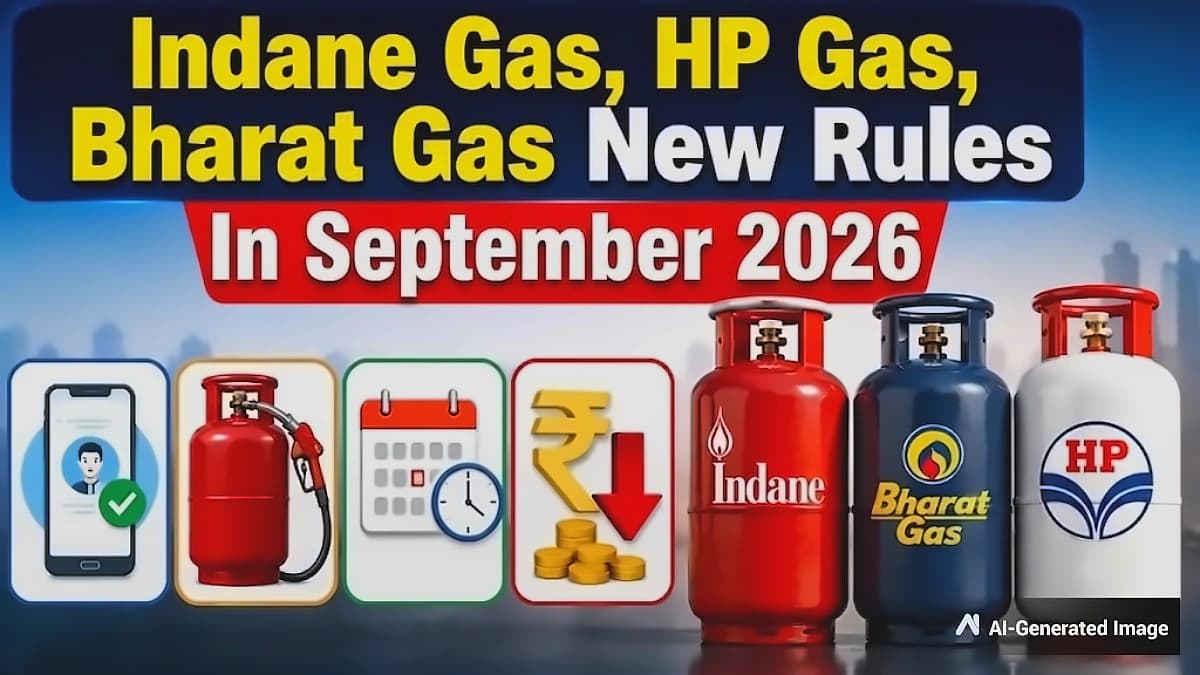
From October 1, 2026, domestic LPG consumers face a new requirement for booking refills at the regulated Retail Selling Price (RSP) with applicable subsidy. Those seeking to book refills must now complete Biometric Aadhaar Authentication (BAA) to ensure subsidised LPG reaches genuine and deserving households. Each LPG connection is linked to an Aadhaar-authenticated consumer to prevent diversion of subsidised domestic cylinders for commercial and industrial use, remove duplicate and ineligible connections, and make subsidy delivery more targeted and transparent. Consumers who have already completed BAA will not need to repeat the process and can continue booking refills as before, while those who have not completed it will be able to book a refill at the RSP with subsidy once their authentication is completed. The extended deadline was fixed on September 30, 2026, with the Oil Ministry directing oil marketing companies like Indian Oil, BPCL, and HPCL to halt LPG subsidy benefits of customers who have not completed their biometric authentication immediately until they complete the e-KYC process. According to the Ministry of Petroleum and Natural Gas, 27.43 crore active domestic LPG consumers, or 89.9% of the total, had completed Aadhaar authentication as of September 19. The authentication process is available through several channels, including LPG delivery, distributor showrooms, and mobile applications of the three public sector oil marketing companies - IndianOil ONE for Indane customers, HelloBPCL for Bharatgas customers, and HP PAY for HP Gas customers.
Commercial LPG cylinder prices witnessed a significant increase from October 1, with the 19-kg commercial cylinder rising by ₹62.50 to ₹2,810 following a ₹9.50 increase in September. In Delhi, the price of a 19-kg commercial LPG cylinder increased by ₹62.50 to ₹2,810, following a ₹9.50 increase in September when the cylinder was priced at ₹2,747.50. Mumbai's new commercial cylinder price stands at ₹2,764.50, while Chennai's rate has risen to ₹2,983. Patna recorded the highest increase of ₹71.50 to ₹3,100.50. The price hike comes at the start of the festive season, adding pressure to operating expenses for hotels, restaurants, caterers and other businesses that use commercial LPG. For household consumers, there is some relief as the 14.2-kg domestic LPG cylinder remains unchanged at ₹942 in Delhi, ₹941.50 in Mumbai and ₹957.50 in Chennai. According to IndianOil, for a Delhi restaurant, this means a cylinder that previously cost ₹2,747.50 will now cost ₹2,810. The second monthly hike in commercial LPG cylinders is attributed to elevated crude oil prices and rising international crude oil prices on account of escalating tensions in West Asia.

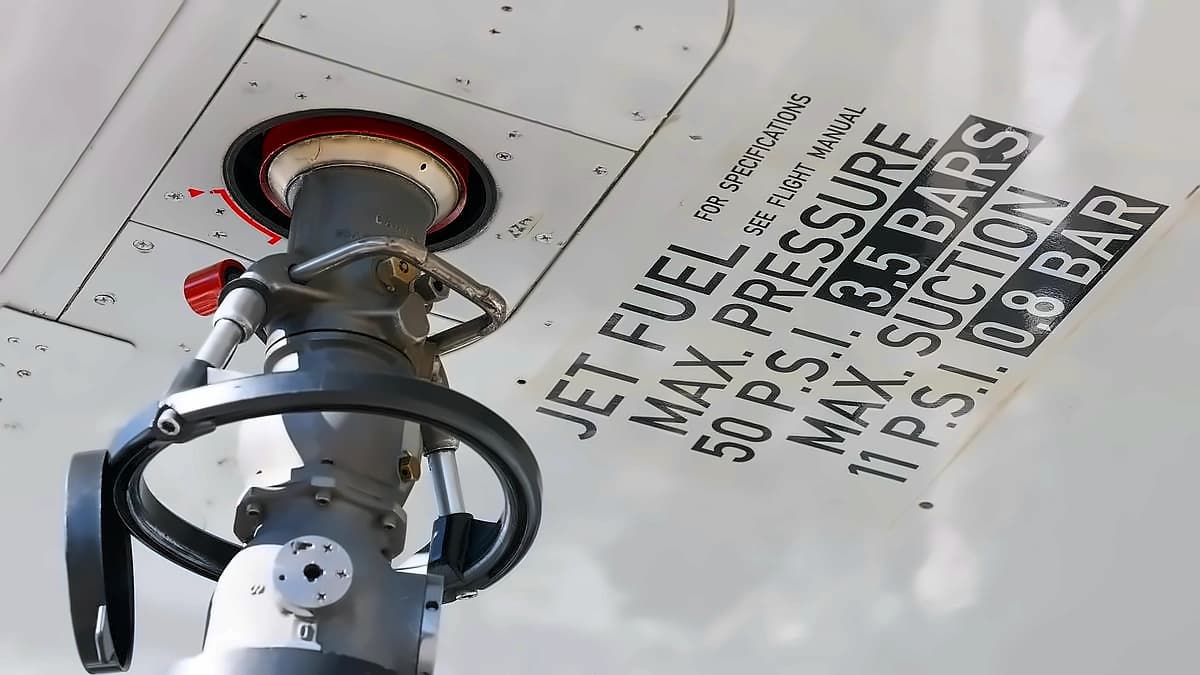
Aviation turbine fuel (ATF) prices were raised by a steep ₹16 per litre from Thursday, increasing to ₹137 per litre for domestic airlines from ₹121. The latest revision comes after ATF prices were raised by ₹6.28 per litre, or 5.46% in September, following a ₹5 per litre increase in August. ATF accounts for up to 40% of operating costs for airlines, making fuel prices a key cost factor for carriers. The price hike reflects movements in international benchmark prices and rupee-dollar exchange rates, with ATF and LPG prices revised on the first day of every month and varying across states due to local taxes. As per Zee News, the latest hike follows an increase of ₹6.28 per litre or 5.46% per cent in September and ₹5 per litre in August, with ATF prices having been increased by ₹5 per litre in August.
In a significant policy shift, the Centre has cut windfall taxes on diesel and ATF exports for the fortnight ending October 15, 2026. The Special Additional Excise Duty (SAED) on diesel exports was reduced to ₹16 per litre from ₹20 per litre, while the levy on ATF exports was cut to ₹10.50 per litre from ₹15 per litre. The revised rates took effect from October 1 and will remain applicable for the fortnight through October 15, 2026. The windfall tax on petrol exports remains unchanged at ₹0.50 per litre. This decision comes as oil marketing companies continue to absorb global crude price volatility, with Brent crude rising 0.65% to $103.26 per barrel and West Texas Intermediate crude gaining 0.28% to $89.63 amid escalating US-Iran tensions. Despite these international price pressures, domestic fuel prices have been kept unchanged by state-run oil marketing companies.
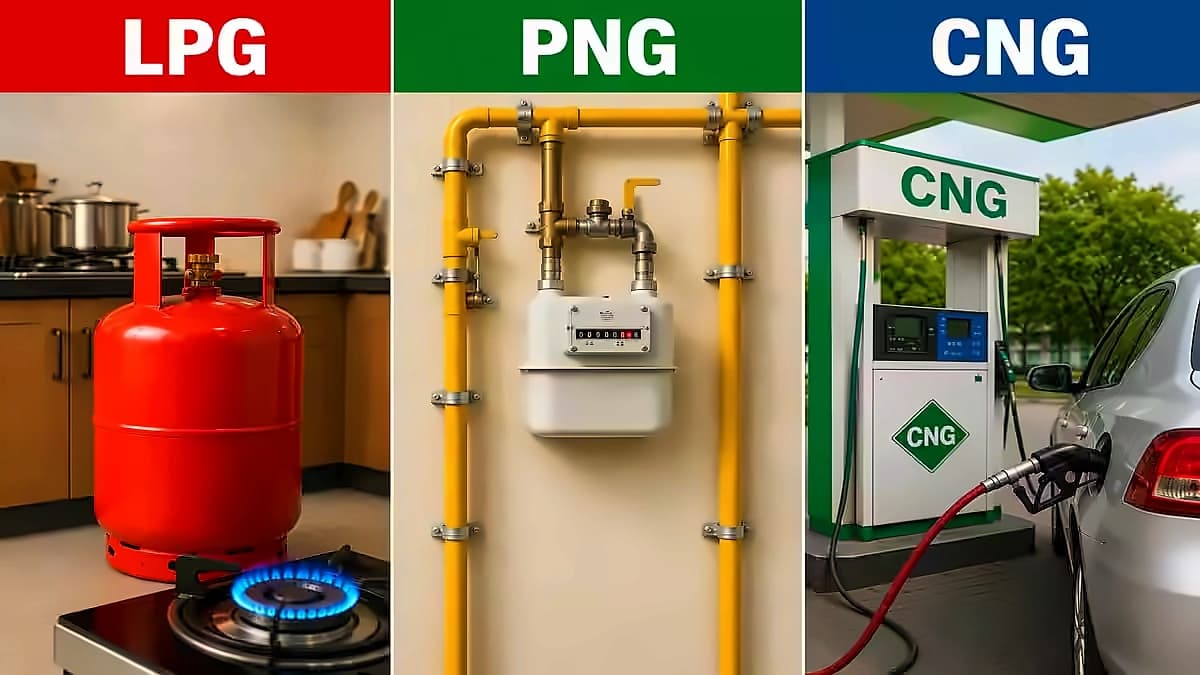
According to the Ministry of Finance's Monthly Economic Review for September 2026, LPG and piped natural gas inflation rose from 4.60% in June 2026 to 5.28% in August 2026. For example, if an LPG cylinder costs ₹1,000 in August 2026, the 5.28% Y-o-Y inflation rate implies the comparable price a year earlier was around ₹950, representing an increase of approximately ₹50 per cylinder. However, coal and firewood inflation was higher at 8.06% and 8.26% respectively in August. Transport fuel inflation also affected households, with CNG inflation rising sharply to 8.16% in August from 6.23% in July, potentially increasing fuel costs for CNG vehicle users. Diesel and petrol inflation remained largely unchanged at 8.40% for both fuels. A hypothetical three-member household using ₹1,500 PNG, ₹6,000 CNG, and ₹3,000 petrol in August 2025 would face a combined monthly fuel expense of around ₹11,294 in August 2026, compared with ₹10,500 in August 2025 - an increase of about ₹794.