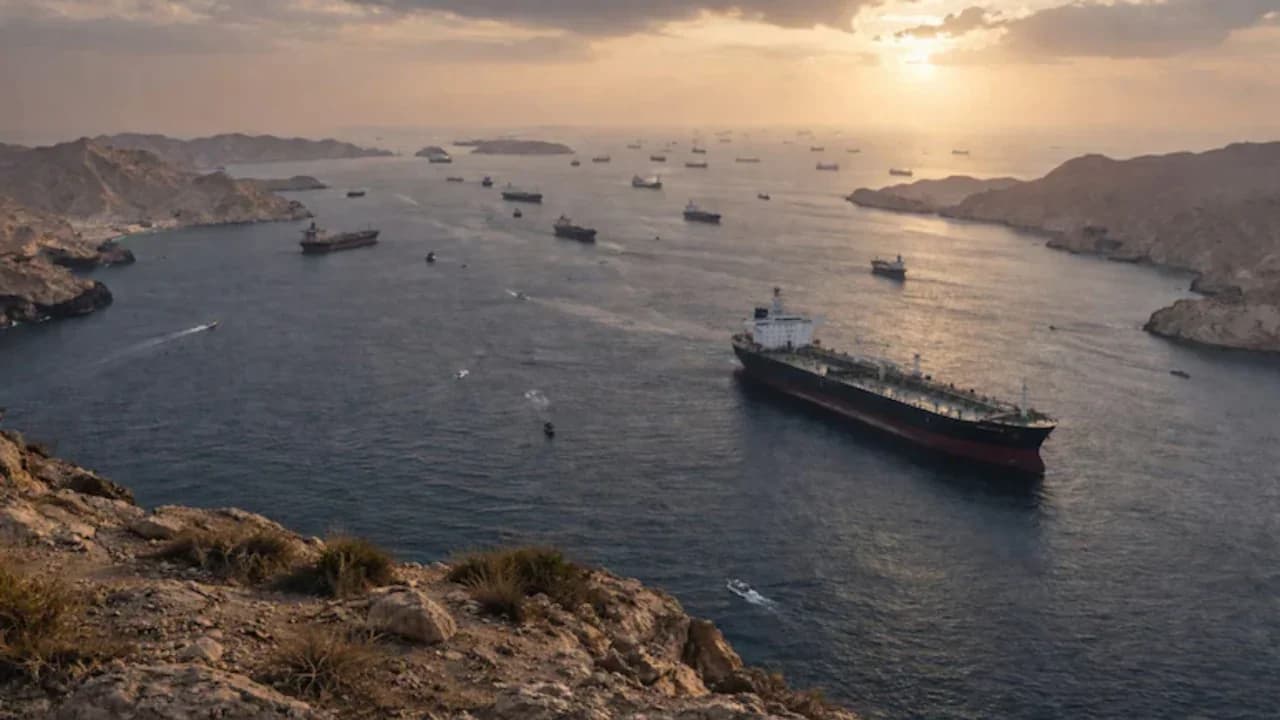
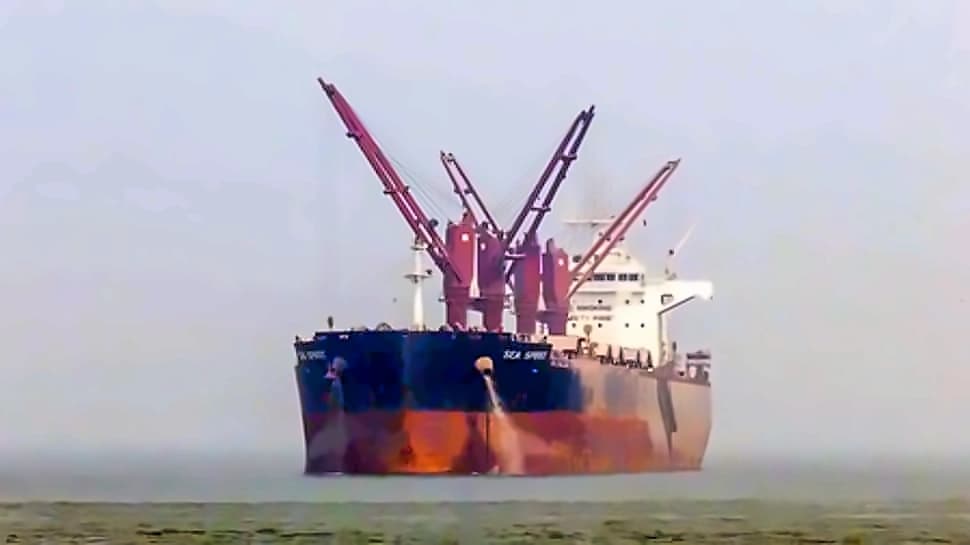
Libya's oil export revenue more than doubled to $17.863 billion in the first half of 2026, compared with $8.05 billion in the same period last year, according to the country's economy ministry as reported by Al Jazeera. This dramatic increase represents a significant boost for the war-torn nation's economy, with the revenue reaching $17.863 billion in the first six months of 2026, compared with 51.1 billion Libyan dinars in the year-ago period. The surge comes as the closure of Hormuz disrupts a major global energy route, with around one-fifth of global oil and a similar share of liquefied natural gas trade normally passing through the strait.
The revenue surge comes as the closure of the Strait of Hormuz has disrupted a major global energy route, with around one-fifth of global oil and a similar share of liquefied natural gas trade normally passing through the strait. As reported by Al Jazeera, the disruption has sharply curtailed Gulf supplies, pushing oil prices up more than 40% and gas prices higher. This geopolitical development has created favorable conditions for oil-producing nations like Libya, with the price rally providing much-needed financial breathing room for the oil-rich nation.
Libya aims to boost production to 2 million barrels per day via new partnerships, according to Al Jazeera reports. The country's oil-rich status in the Middle East and North Africa (MENA) region positions it well to capitalize on the current market disruption. In February 2026, authorities launched the country's first oil and gas licensing round since 2007, targeting production capacity of 2 million barrels per day through partnerships with companies including Chevron, Eni, QatarEnergy and Repsol. In January, state-owned Waha Oil signed a 25-year agreement with TotalEnergies and ConocoPhillips to expand production capacity from shared fields to 850,000 barrels per day, with the agreement expected to generate net revenues exceeding $376 billion.
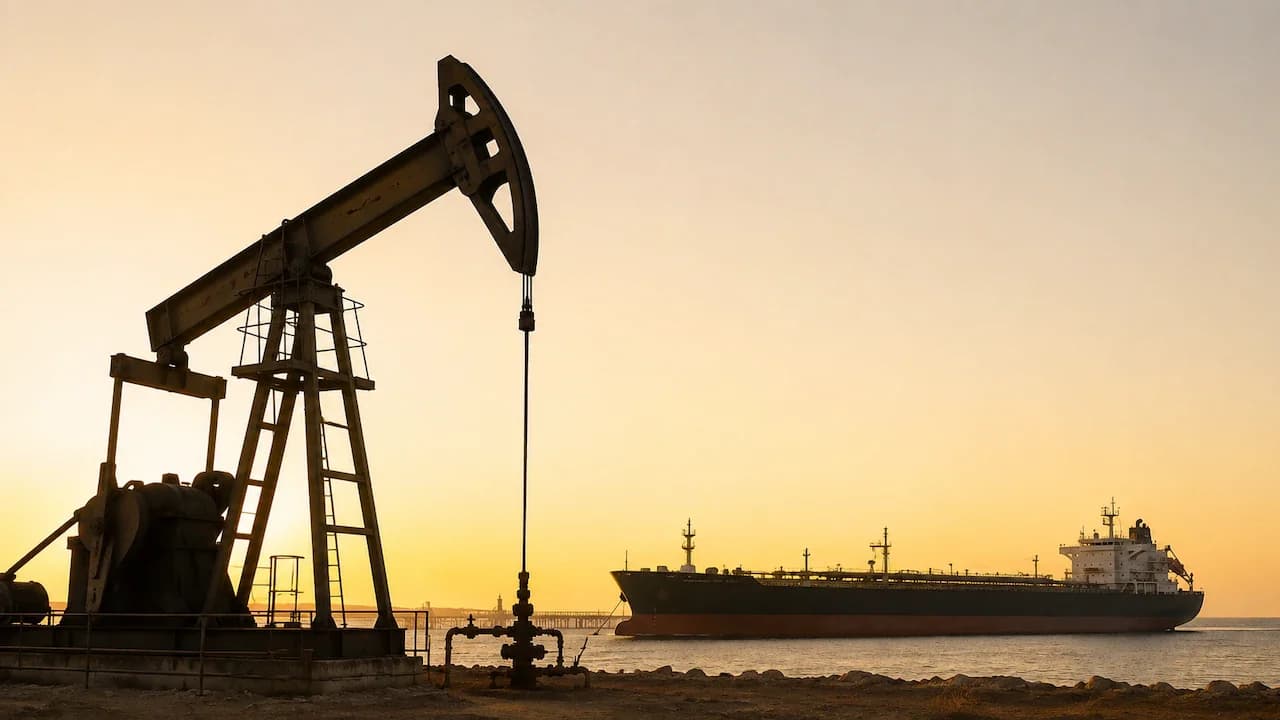
Despite the current windfall, Libya faces significant risks that could quickly erode these gains. The country remains politically divided between rival administrations, with disputes over oil revenue distribution having previously triggered field, port and export-route shutdowns. According to the National Oil Corporation, Libya needs $3-4 billion to restore production to its previous level of 1.6 million barrels per day. The country's dependence on crude oil also leaves it exposed to swings in global prices, while it has yet to develop gas exports on a scale comparable with its oil trade, despite estimated gas reserves of around 80 trillion cubic feet.