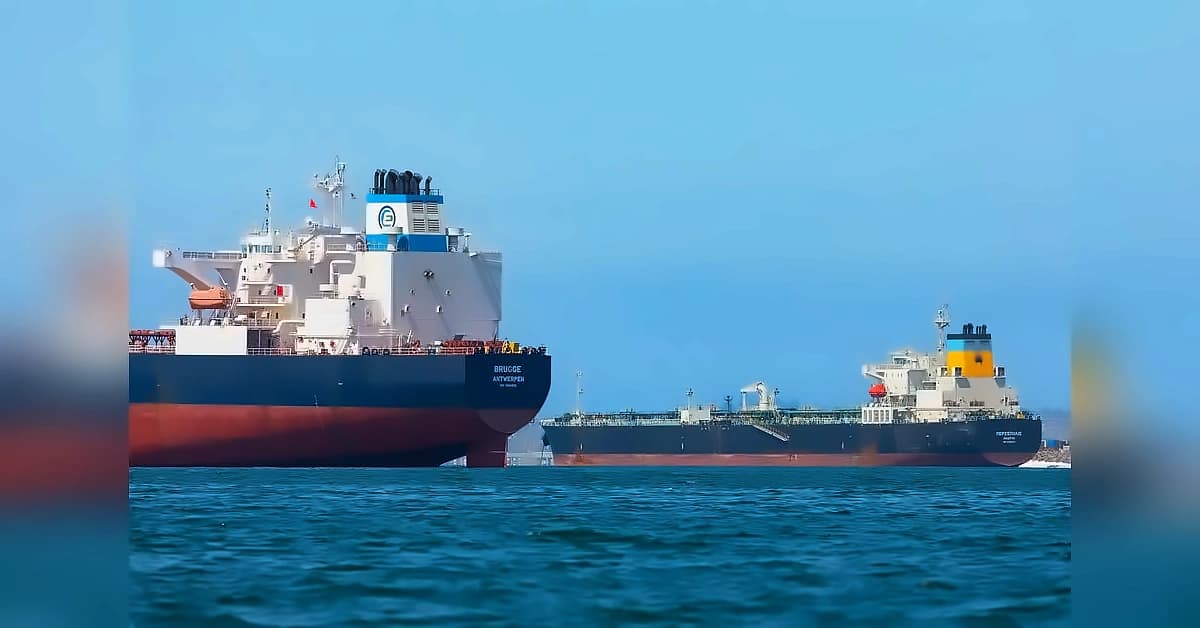
The dispute over the Strait of Hormuz has intensified as Qatar's energy leadership challenges US assessments about the waterway's future importance. According to reports from The Times of India, Qatar's energy minister and QatarEnergy CEO Saad Sherida Al-Kaabi has rejected US Treasury Secretary Scott Bessent's assessment that the strategic waterway could become effectively irrelevant within two years. Speaking at the Qatar Economic Forum in New York on Sunday, Al-Kaabi characterized Bessent's assessment as 'completely wrong' and argued that the waterway would remain important due to its role in carrying diverse maritime trade beyond oil and gas. The comments come as the Strait of Hormuz remains severely disrupted amid ongoing conflict, with vessel traffic falling sharply from normal levels. Al-Kaabi also rejected the notion that the Strait of Hormuz was obsolete, stating it carries trade in all products to and from all adjacent countries.
Qatar's commerce and industry Minister Sheikh Faisal Al-Thani has provided additional backing for the strategic importance argument. As reported by The Times of India, Al-Thani stated that roughly 90% of global shipping takes place by sea and described the issue as one of diversification rather than completely replacing maritime routes. This position suggests that while alternative pipelines may reduce Hormuz's importance, they cannot eliminate its strategic value entirely due to the overwhelming reliance on maritime transportation for global commerce.
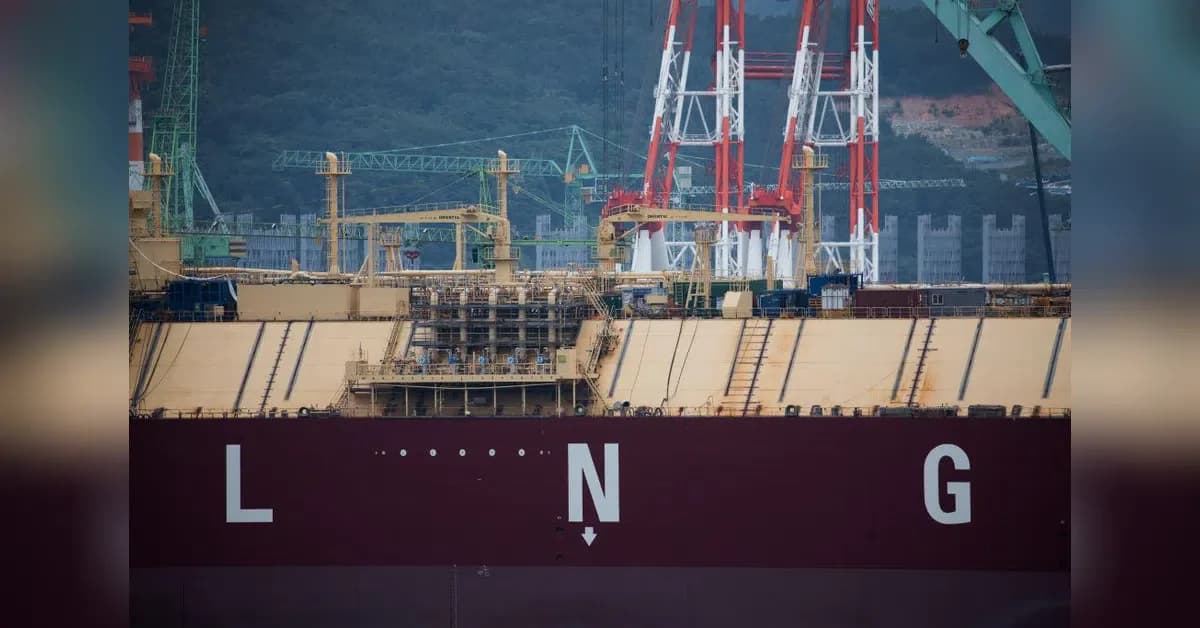
The ongoing conflict has had severe consequences for Qatar's energy sector, with Al-Kaabi reporting that QatarEnergy is currently producing only a 'very minute' volume of liquified natural gas (LNG). According to Reuters, only 12 commodity vessels crossed the Strait over the preceding weekend, compared with around 125 vessels a day before the conflict. The disruption has also affected Qatar's major LNG infrastructure, with The Straits Times reporting that an attack damaged approximately 17% of the Ras Laffan Industrial Complex. Al-Kaabi confirmed that the attacks on Ras Laffan have resulted in damage to two LNG trains and a GTL plant, with repairs on the GTL train expected to be concluded in the first quarter of 2027, while repairs on the two LNG trains will take three years. However, Al-Kaabi emphasized that Qatar is ready to resume normal operations within a few weeks of the reopening of the Strait of Hormuz.
Despite current disruptions, Qatar's LNG expansion remains on course with initial production from North Field East scheduled for the first half of 2027. However, Al-Kaabi warned that prolonged Hormuz disruption could affect subsequent trains, as equipment required for the projects depends on access through the waterway. The North Field South expansion, the second phase, is scheduled to begin production in 2028. Al-Kaabi confirmed that Qatar had decided not to build new pipelines for LNG export to bypass the Strait of Hormuz, stating 'We have decided not to do pipelines' based on commercial and technical considerations. He explained that while Qatar's neighbours have welcomed the use of their territories for pipeline bypasses, LNG cannot be transported by pipelines as it must be transported as gas and then liquified at receiving terminals, making such alternatives economically unviable and creating redundant facilities.
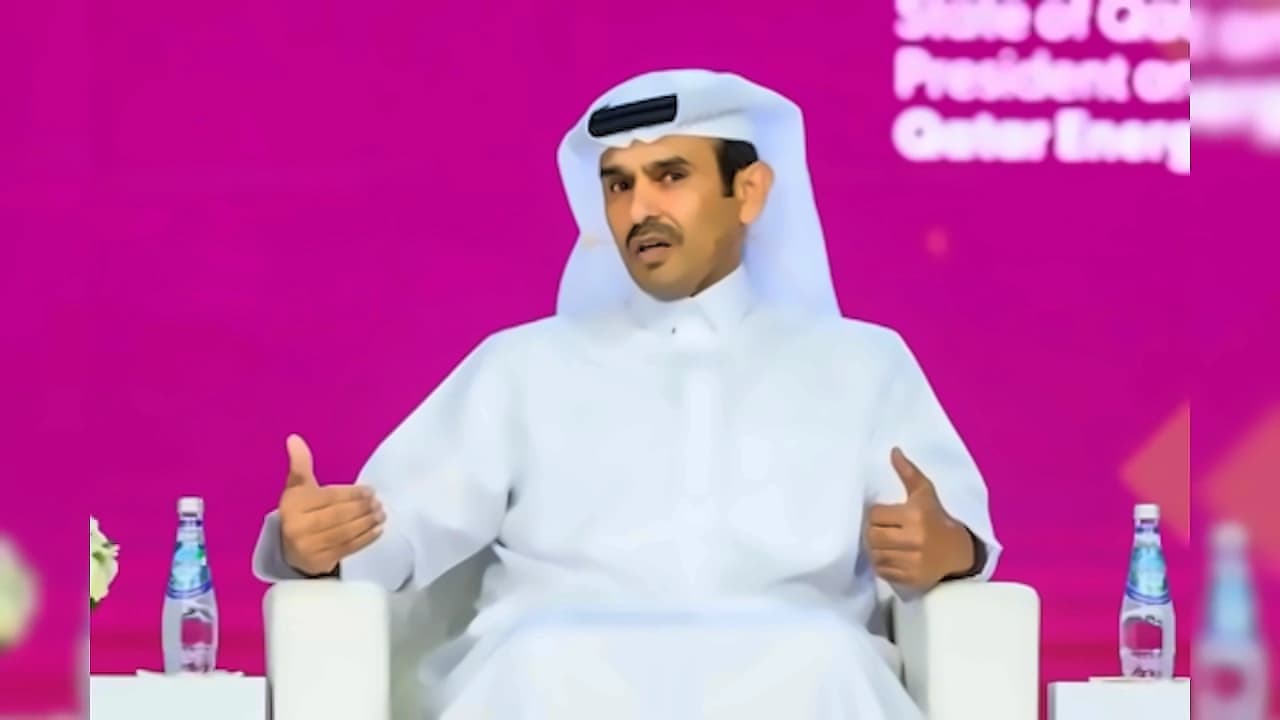
Al-Kaabi announced that Qatar is building one of the largest LNG trading organizations in the world, stating 'We will be, in the very near future, the largest LNG trader in the world by far'. The country is pivoting to become a larger trader of LNG in the meantime, with shipments already started from the first train at Golden Pass LNG in the United States. Next year is expected to have both the second and third trains in full operation, while the largest ethane cracker in the world at the Golden Triangle Polymers project has started its commissioning process and should be starting up in the next few weeks. Shell's Pearl GTL facility in Qatar, which was also damaged in the March attacks, will resume production in the first quarter of next year. Al-Kaabi emphasized the need for good relations with Gulf neighbours, stating that 'The countries around the Gulf are neighbours and will remain neighbours for generations to come'.