German shipping giant Hapag-Lloyd reported that the closure of the Strait of Hormuz amid Middle East conflict cost the company approximately $600 million in the second quarter. According to the company's latest earnings report, net profit fell to $83 million in Q2 from $306 million a year earlier, highlighting the growing economic fallout from disruptions to one of the world's key energy routes. Strong exports from Asia and improved US demand partly offset the impact of Middle East disruptions, with revenue rising 8.4% to just over €5 billion from $5.27 billion year-over-year. CEO Rolf Habben Jansen noted that "the second quarter was better than the first, driven by significantly higher spot rates and robust demand."
Despite the significant cost pressures, Hapag-Lloyd's operational performance showed signs of recovery with transport volumes increasing 3.5% to nearly 3.5 million TEU from 3.362 million TEU in the year-earlier quarter. The average freight rate increased 8.9% to $1,475 per TEU from $1,354 per TEU, lifting segment revenue to €4.9 billion ($5.7 billion) from $5.17 billion. However, operating profit in the Liner Shipping segment declined to €131 million ($153 million) from $167 million, as reported by PortNews, with EBIT falling to €131m ($153m) from $167m due to higher bunker, insurance, storage, rerouting and inland transportation costs following the Strait of Hormuz closure. The company is now focusing on growth in liner shipping and terminal business while maintaining strict cost discipline to further improve financial performance.
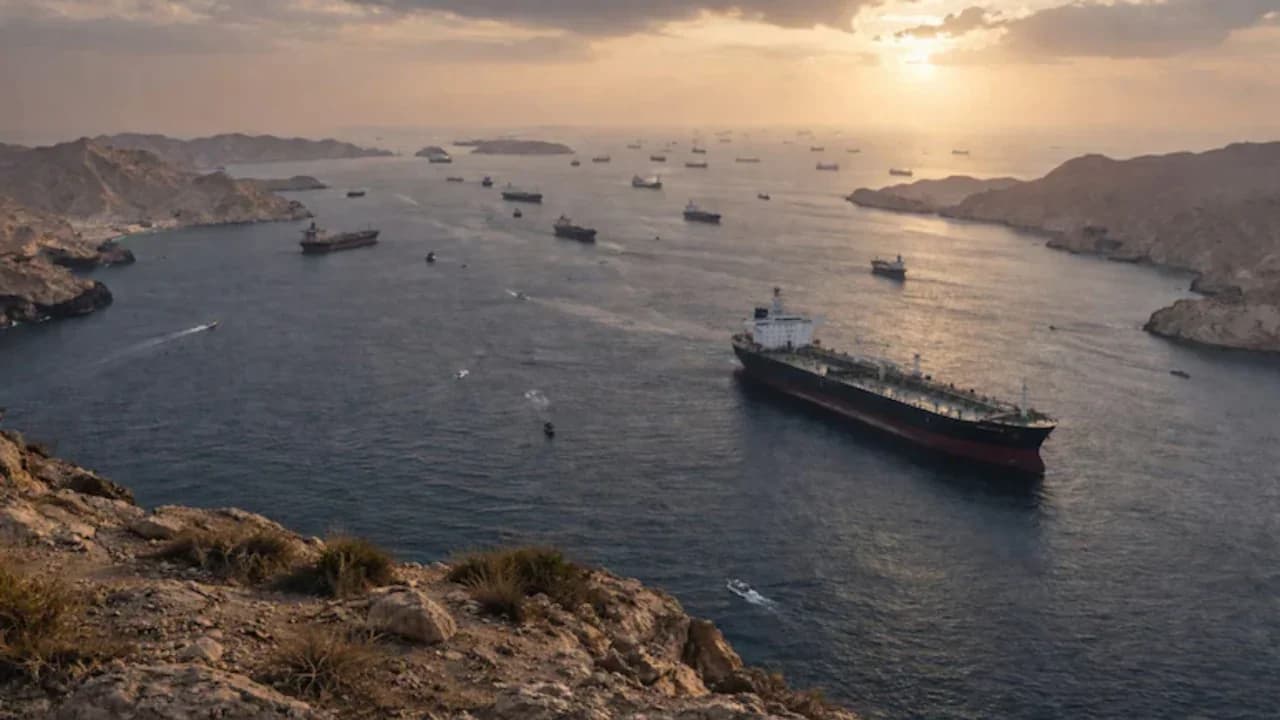
The International Energy Agency reported that global oil inventories fell by 69 million barrels in July, including a 63-million-barrel decline in oil held on water. According to Vortexa data, global seaborne crude and condensate exports averaged 34.8 million barrels per day in the week ended August 9, the lowest since late May. Flows during the Hormuz crisis have averaged 4.5 million bpd, or 11% below the year-earlier level. The IEA also cut its 2026 global oil demand forecast by 550,000 barrels per day from its previous estimate, citing the ongoing Hormuz closure and elevated fuel prices.
The impact has been particularly severe for very large crude carriers, with VLCC cargo volumes falling 27% year-on-year, while spot rates have remained around three times their year-ago levels. According to Fearnleys, there was huge money to be had for risk-takers willing to take Middle East Gulf cargoes, highlighting the premium commanded by vessels operating in higher-risk areas. China remains a key swing factor for the tanker market, with crude exports to China averaging 6.5 million bpd during the crisis period, down 39% from a year earlier. Despite some tanker traffic continuing through Hormuz, crude exports from west of the strait remain 74% below pre-crisis levels.
Despite the second-quarter recovery, Hapag-Lloyd posted a first-half loss of $173 million against a $775 million profit a year earlier, with H1 EBITDA falling 31% to $1.32 billion and EBIT to $18 million from $677 million. However, the company raised its 2026 outlook on July 13, expecting Group EBITDA of $2.7 billion to $3.7 billion and EBIT of $100 million to $1.1 billion. The company now expects EBIT of €0.1 billion to €1.0 billion after previously forecasting minus €1.3 billion to plus €0.4 billion, reflecting strong demand and higher freight rates. Like all major container shipping lines, Hapag-Lloyd continues to grapple with precarious security situations in the Middle East, with the company and Danish partner Maersk slowly returning to the Red Sea and Suez Canal while avoiding the Strait of Hormuz.