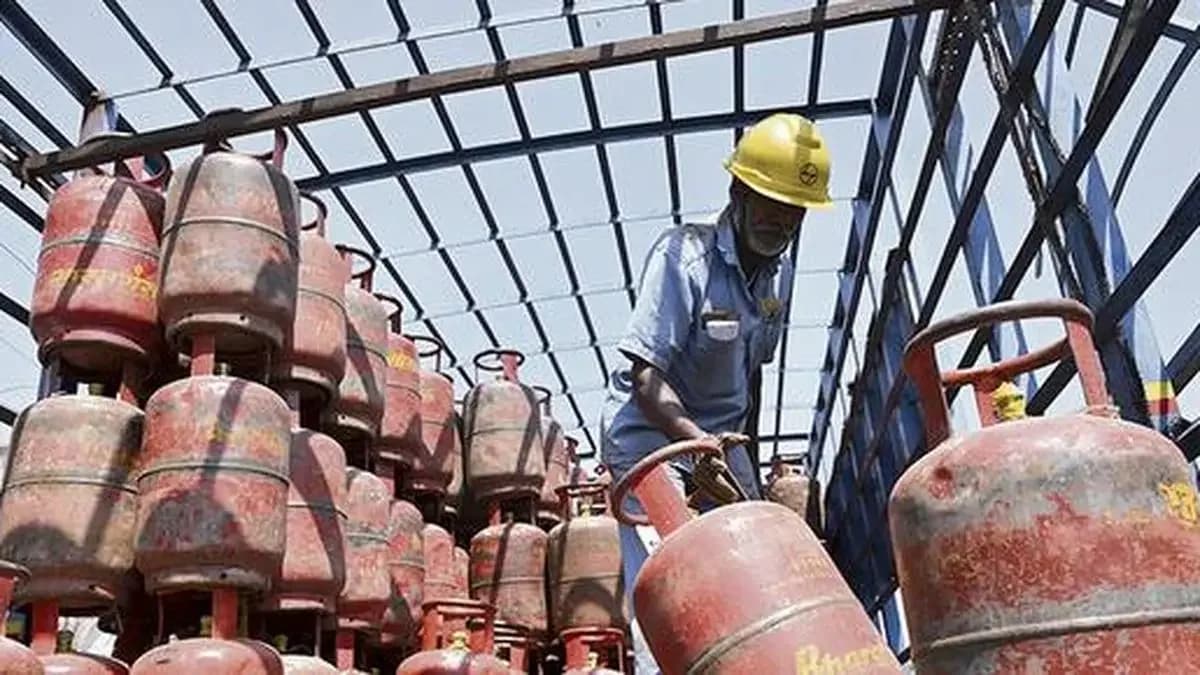
India's liquefied petroleum gas production has reached a record 52,000 tonnes per day as refineries resumed operations after maintenance shutdowns, according to The Hindu BusinessLine. This represents a significant increase from the 46,000 TPD recorded earlier this month, with the growth primarily driven by refineries such as the Nayara Energy-operated Vadinar refinery resuming operations after April-May maintenance. The current demand for LPG, which serves more than 33 crore households, stands at 72,000 TPD, lower than the normal demand of around 80,000 TPD due to seasonal consumption patterns during summers. Sujata Sharma, Joint Secretary in Oil Ministry, confirmed that "We have sufficient stocks of petrol, diesel, and LPG. Adequate inventories of natural gas and crude oil have also been secured. All our refineries are operating at optimum levels, and LPG production is at an all-time high of around 52,000 TPD."
The Ministry of Petroleum and Natural Gas has directed state-run oil marketing companies to develop operational plans for building LPG reserves sufficient to cover a minimum of 30 days of national demand, with domestic LPG production reaching the record 52,000 tonnes per day during recent disruptions. As per The Times of India, Sujata Sharma stated that "We are working on the strategic reserves. Oil marketing companies have been asked to work out (a plan) to have LPG reserves for a minimum of 30 days with them, and they are working on it." State-run oil marketing companies Indian Oil Corporation (IOC), Bharat Petroleum Corporation Ltd (BPCL) and Hindustan Petroleum Corporation Ltd (HPCL) have been asked to prepare plans for creating additional storage capacity over and above regular commercial inventories. India faces a more pronounced LPG shortage compared to crude oil and natural gas due to the country's high reliance on imports from West Asia, with approximately 90% of LPG supply originating from Gulf nations. Earlier this month, petroleum secretary Neeraj Mittal had confirmed that India currently maintains 60 days' worth of crude oil and petroleum products stock and 45 days' supply of LPG.
India's LPG supply chain continues to face severe vulnerability with approximately 90% of LPG supply originating from Gulf nations, making it the single most geopolitically exposed fuel category in India's energy mix. The International Energy Agency (IEA) reports that closure of the Strait of Hormuz has adversely impacted 430,000 barrels per day of LPG cargoes during March-April 2026. In March 2026, LPG export volumes through the strait fell by around 80%, dropping from 1.5 million barrels per day on average in 2025 to 0.3 mb/d. Despite securing supplementary supply from alternative sources, a vessel from the US requires around 40 days to reach Mumbai compared with 4-5 days from the Strait of Hormuz. The official confirmed that 13 Indian-flagged vessels remain stranded near the Strait of Hormuz, including one LPG carrier and five crude oil tankers. India's LPG supply chain faces particular challenges as the West Asia conflict has disrupted global energy supplies, with the Gulf region accounting for around 40% of the country's crude oil imports, 65% of natural gas supplies and 90% of LPG imports.
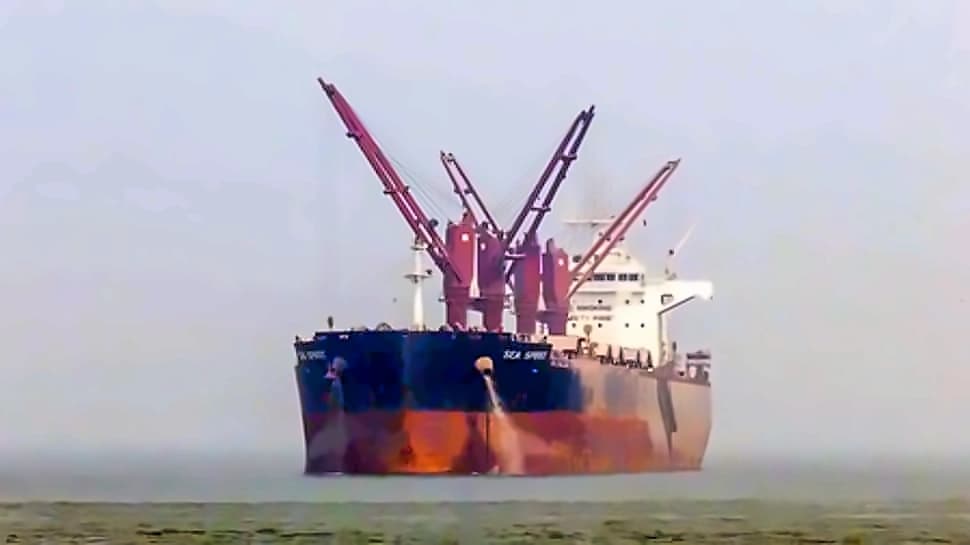
The government has flagged unusually high sales of petrol and diesel in certain areas, with sales of petrol and diesel increasing by more than 30% in more than 150 districts, as bulk consumers shift to retail outlets. As per The Times of India, Sujata Sharma noted that "No dry out reported at any LPG distributorship," adding that "abnormal sale is being observed at many petrol pumps." Higher fuel sales are being driven by agricultural demand and a shift by consumers from private retailers and bulk suppliers to state-run outlets because of price differences. More than 150 districts have recorded over 30% growth in petrol sales, with 14 districts reporting sales that have more than doubled, while diesel sales have risen over 30% in 156 districts, with six districts seeing growth exceeding 100%. Separately, sales of private OMCs have fallen by 38% and bulk sales of state-run oil retailers have dropped by 29%. Separately, an India-bound crude oil tanker, Nissos Keros, safely crossed the Strait of Hormuz on May 26 and is expected to arrive at Visakhapatnam on June 3, carrying approximately 270,000 tonnes of crude oil under charter to Hindustan Petroleum Corporation Ltd.