Kharif sowing acreage has declined 6% to 65.82 million hectares as of July 17, compared to 70.05 million hectares in the previous year, according to the latest Agriculture Ministry data. Despite this decline, the overall deficit has shown remarkable improvement, shrinking to 6% from 16% as of July 10 and 21% as of July 5. The recovery has been attributed to rainfall during the first 10 days of July, when monsoon was 31% surplus. As many as 126.94 lakh hectares were covered under kharif sowing during the July 11-17 period, compared to 67.78 lakh hectares a year ago. According to The Hindu BusinessLine, till July 17, kharif crops were sown in around 65.81 million hectares, which was 6% lower than the area covered during the same period last year, but represents 60% of the normal area of around 110.44 million hectares. The sowing area in the ongoing kharif season has reached 531.25 lakh hectares as of July 17 compared with 632.69 lakh hectares in the year-ago period.
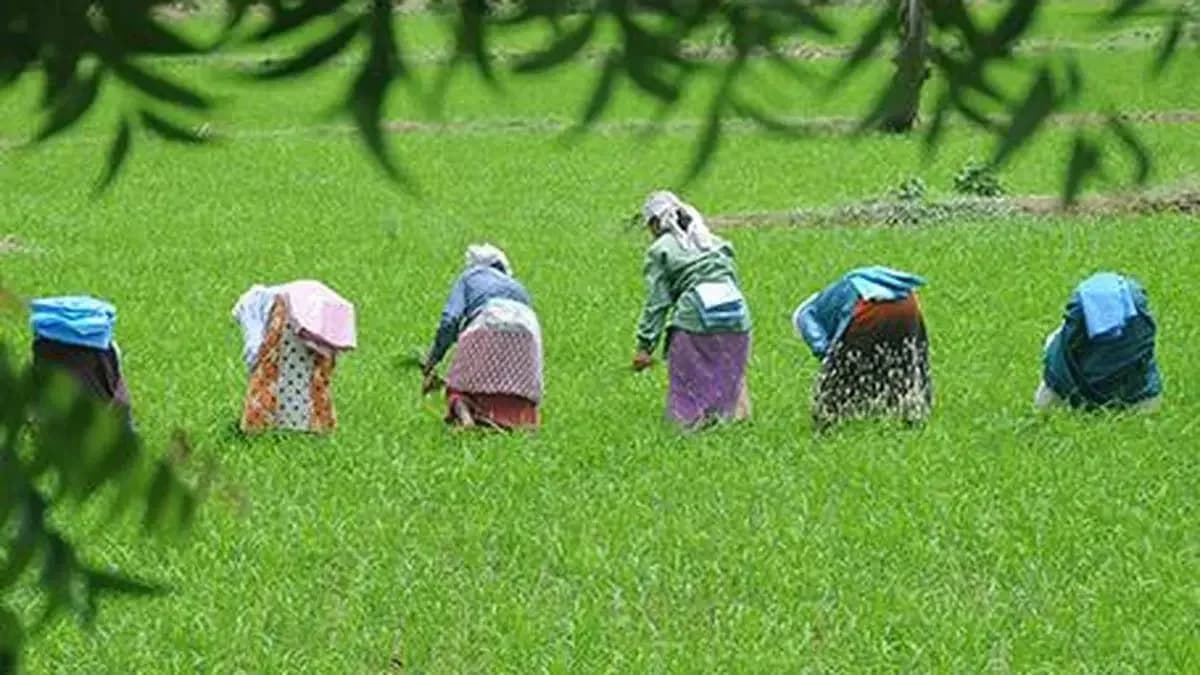
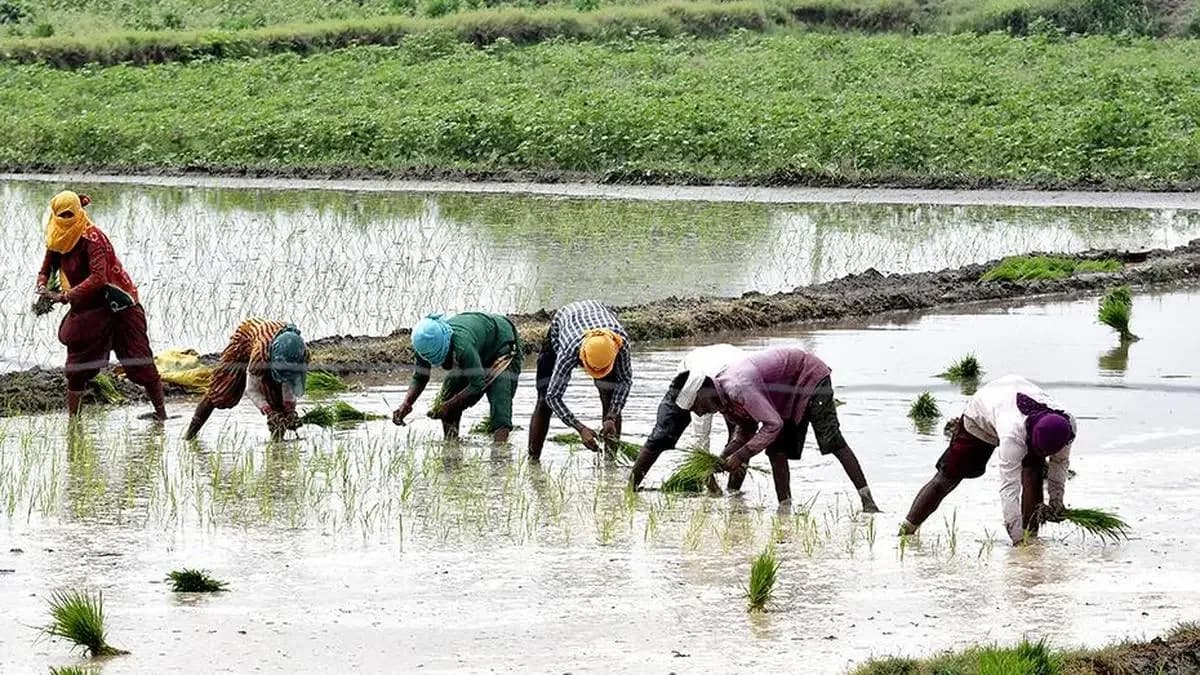
Paddy has emerged as the standout performer in the kharif season, with the main cereal showing remarkable resilience despite initial challenges. Paddy has been transplanted in 166.41 lakh hectares against 167.83 lakh hectares a year ago, with the deficit narrowing to less than 1% as of July 17 against a shortfall of 13% until July 5. The government has set a production target of 123.15 million tonnes of rice for the kharif season. This strong recovery in paddy cultivation has been instrumental in offsetting some of the overall decline in kharif sowing and demonstrates the crop's adaptability to varying monsoon conditions.
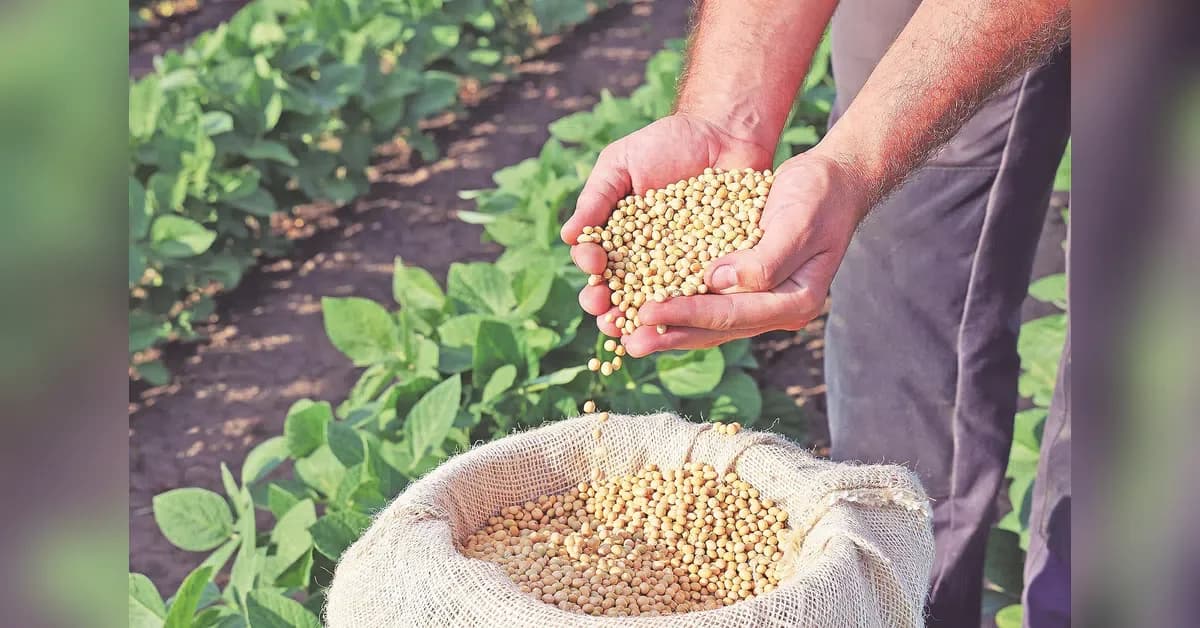
Pulses have emerged as the worst-affected major crop category, with acreage falling 15.1% to 69.23 lakh hectares from 81.52 lakh hectares last year. According to Agriculture Ministry data, arhar sowing declined nearly 18% to 2.48 million hectares, while moong coverage fell 11% to 2.398 million hectares and urad acreage was down close to 6% at 1.351 million hectares. The decline in pulse sowing is significant because India relies on imports to bridge the gap between domestic production and consumption. Among the pulses, arhar sowing reached 24.80 lakh hectares (down 18% from 30.17 lakh hectares), moong (green gram) at 23.98 lakh hectares (down from 26.94 lakh hectares), and urad (black matpe) at 13.51 lakh hectares (down from 14.36 lakh hectares). Coarse cereals and millets also recorded a sharp 11.2% decline, with area coverage dropping to 11.9 million hectares from 13.41 million hectares, with bajra acreage 18.5% lower and maize sowing declining 5%.
Moong has emerged as a particularly challenging crop for farmers, with sowing declining 11% despite it being the only pulse crop for which the government claims India has attained self-sufficiency. Over 62% of the targeted area has been sown, mainly due to lower rainfall in main growing states like Rajasthan, Karnataka and Maharashtra. According to The Hindu BusinessLine, farmers have stuck to the crop despite realising lower rates, with no agricultural scientist or government official advising alternatives. Farmer Jagdeesh Chand Sou from Rajasthan, who cultivates moong in about 34 acres, said he saves reasonable amounts of ₹6,000-7,000 per bigha in cultivation costs while earning ₹18,000-20,000 per bigha from selling 3 quintals at current market rates. However, moong farmers sold their last year's kharif crop at average 26% below the minimum support price of ₹8,768 per quintal during the October-December harvesting season. Farmer leader Rampal Jat explained that in non-irrigated areas where moong is cultivated, farmers have little option due to lower input costs and the crop's short duration of 60-75 days.
Oilseeds cultivation has shown mixed results, with the area under oilseeds at 147.09 lakh hectares compared to 155.72 lakh hectares, while the deficit decreased to 6% from 21% in the same period. Among oilseeds, soybean coverage is 106.02 lakh hectares (down 5% from 111.05 lakh hectares) and groundnut at 34.52 lakh hectares (down 9% from 37.69 lakh hectares). Cotton acreage has declined 6% to 92.53 lakh hectares from 98.4 lakh hectares, while sugarcane sowing has been completed at 57.58 lakh hectares against 56.72 lakh hectares a year ago. The government has set an oilseeds production target of 28.92 million tonnes for the current season, with soybean's share at 14.85 million tonnes and groundnut's at 11.35 million tonnes.
The overall monsoon deficit has persisted, with India receiving 253.2 mm of rainfall between June 1 and July 19, 24% below the normal level. Rainfall was 35% below normal in east and northeast India, 27% deficient in the southern peninsula, 23% lower in northwest India and 14% deficient in central India. Several agriculturally important regions have recorded steep deficits, with rainfall 44% below normal in Bihar, 41% deficient in Jharkhand and Punjab, and 31% deficient in Telangana. Kerala recorded a 34% deficit, while coastal Karnataka received 31% less rain than normal. Lower rainfall has also affected the replenishment of reservoirs, with live storage in 166 reservoirs equivalent to 34.46% of their total capacity. The available storage was only 60.84% of the level recorded during the corresponding period last year, indicating a 39% decline and 1.8% below the 10-year average. The government has fixed a production target of 176.16 million tonnes of foodgrains for Kharif 2026, including 8.4 million tonnes of pulses, 31.04 million tonnes of maize, and 13.56 million tonnes of nut cereals.