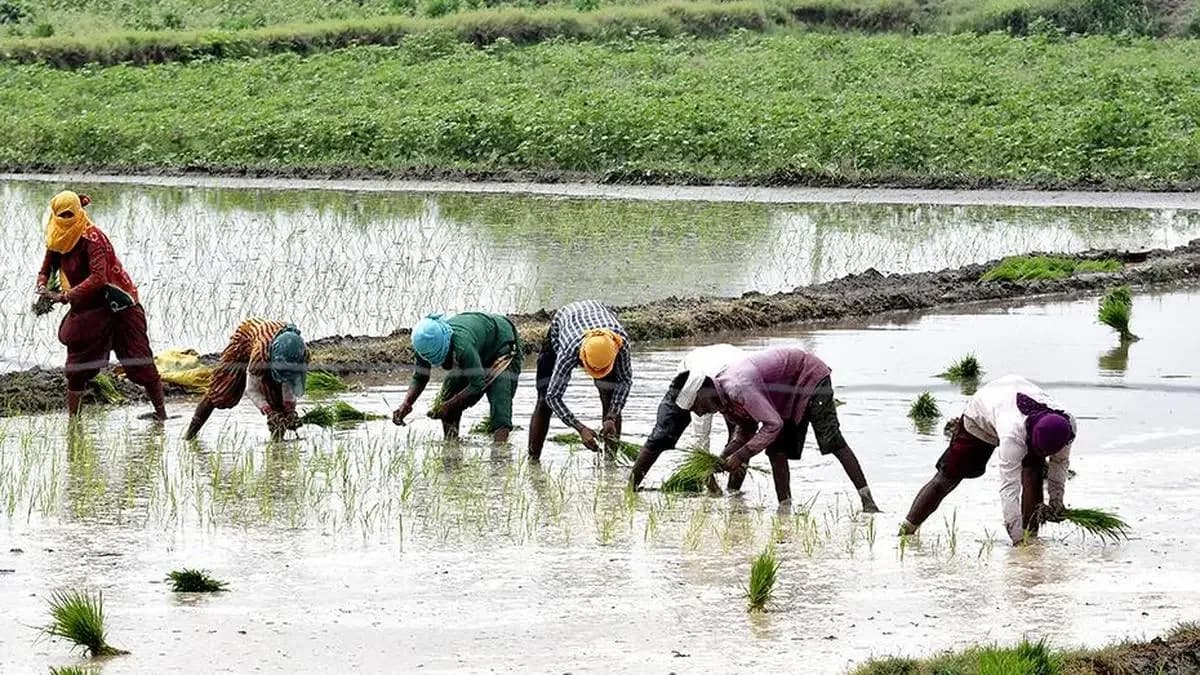
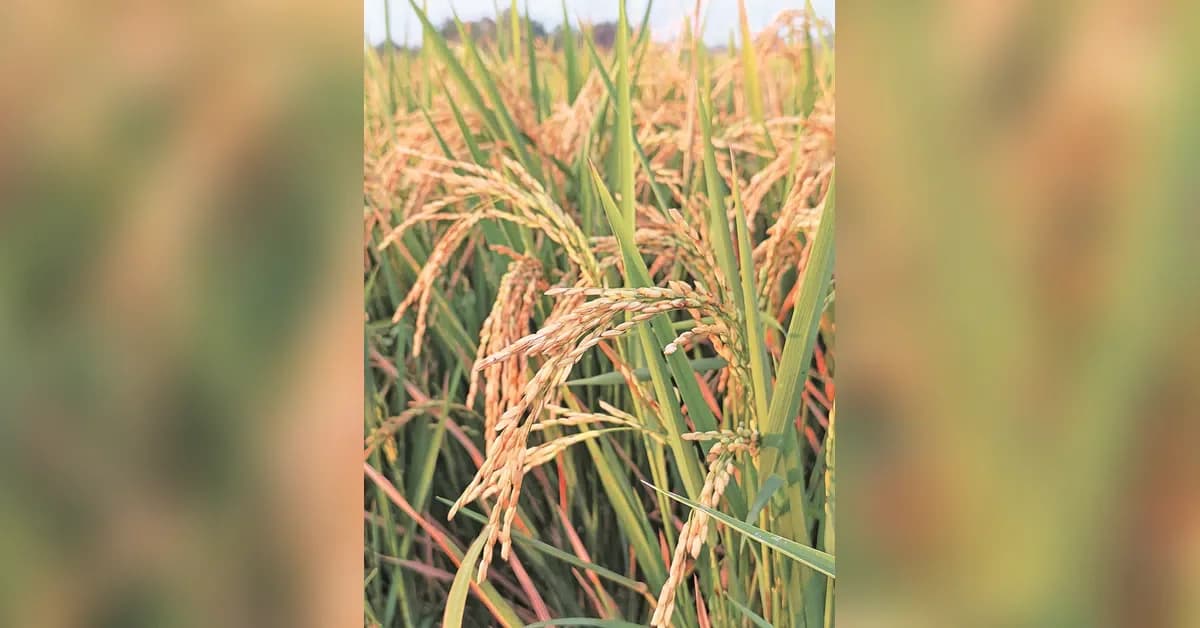
Kharif pulses sowing has experienced a significant 43% decline as of June 12, with farmers in key producing regions of Karnataka and Maharashtra awaiting crucial rainfall. According to Agriculture Ministry data released on Tuesday, tur (pigeon pea) has been planted on 0.09 lakh hectares, representing a 57% decrease compared to the same period last year. Urad (black matpe) has been seeded in 0.27 lakh hectares, trailing last year's corresponding level of 0.35 lakh hectares by 22%. Moong (lentils) has been planted on 0.69 lakh hectares, down 55% from 1.54 lakh hectares in the previous year. The latest data from Informist Media confirms that total pulses acreage across the country stands at 155,000 hectares, down over 43% from 273,000 hectares a year ago.
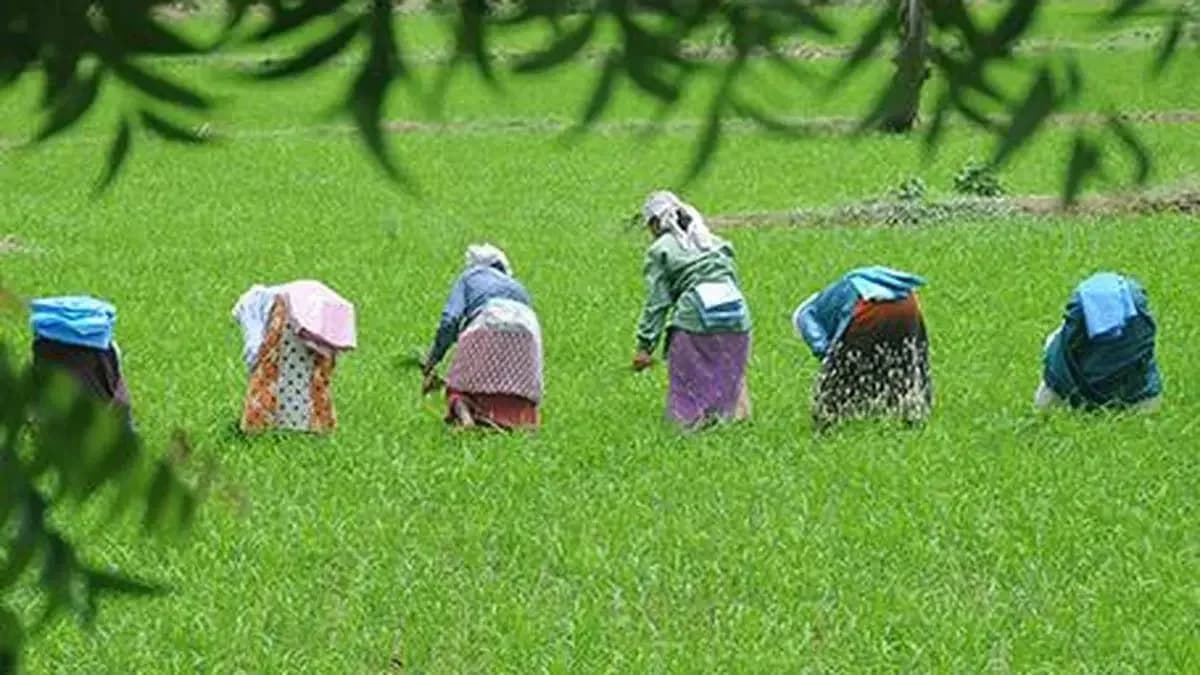
The weak sowing performance is attributed to a 32% deficient rainfall across the country as of June 15, with the country receiving 42.4 mm of rainfall against a normal of 62.1 mm during the period. As reported by The Hindu BusinessLine, Basavaraj Ingin, President of Karnataka Pradesh Red Gram Growers Association in Kalaburgi, stated that there has been no rain so far and farmers are uncertain about timely rainfall arrival. The situation is similar in adjoining parts of Maharashtra, including Latur and Solapur, and in Telangana, where pigeon pea is largely cultivated. According to Informist Media, the delay in monsoon progress and onset has slowed down the progress of kharif crop sowing across several parts of the country.
N Kalantri, a miller in Latur, confirmed that there were no rains in the region and sowing of tur has yet to commence. In some parts of Kalaburgi where rainfall occurred a few weeks ago, farmers had initiated moong sowing, but according to Ingin, even early-sown crops require additional rains to survive. Sujay Hubli, a miller in Gadag, reported that moong sowing has taken place in parts of Gadag and Yadgir where it rained, but growers are waiting for fresh rainfall to aid crop growth. The challenges extend beyond Karnataka and Maharashtra, affecting key producing states where farmers are awaiting the first spells of showers for the season.
The overall kharif crop acreage across India stands at 8.46 million hectares as of Friday, down nearly 4% from 8.80 million hectares a year ago, according to Agriculture Ministry data. While paddy acreage increased significantly to 498,000 hectares from 388,000 hectares, most other crops faced declines. Coarse cereals acreage rose over 10% to 477,000 hectares, with bajra jumping to 115,000 hectares from 24,000 hectares a year ago. However, pulses, oilseeds, cotton, and sugarcane all declined, with cotton acreage falling nearly 28% to 953,000 hectares and sugarcane down at 5.41 million hectares from 5.43 million hectares. The total area under all pulses was 155,000 hectares, down over 43% from 273,000 hectares a year ago.