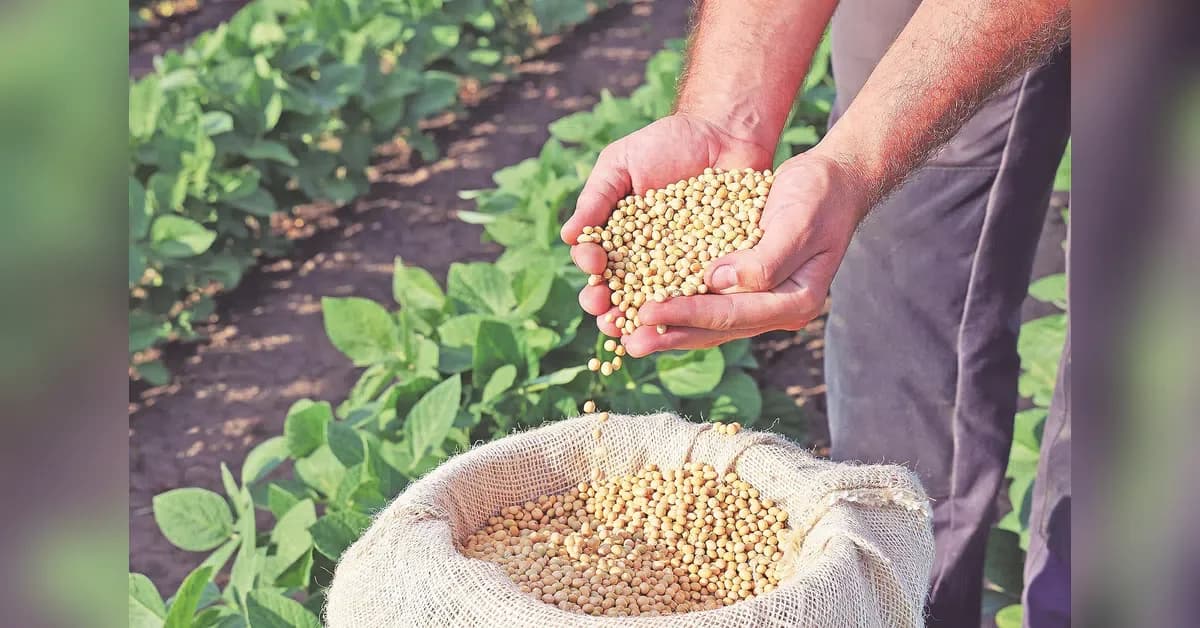
Soybean prices climbed to ₹7,587 per 100 kg last month, a four-year high and well above the government's support price of ₹5,328, according to reports from Reuters. This significant price differential has encouraged farmers to shift from water-intensive crops like sugarcane and corn to soybeans. Corn prices remain below the floor price of ₹2,400 for the year, creating an even more compelling economic case for soybean cultivation. As reported by Reuters, farmers who previously switched from soybean to corn are now expected to shift back to the oilseed this season.
Indian farmers planted soybeans on 12 million hectares in 2025, and industry officials expect the area to rise by up to 10 per cent this year, as reported by Reuters. The shift is being driven by better returns from soybean cultivation compared to corn, despite the latter being the government's preferred crop. Soybean is India's main summer-sown oilseed crop, making higher output crucial for the world's biggest importer of edible oils to reduce overseas buying of palm oil, soyoil and sunflower oil.
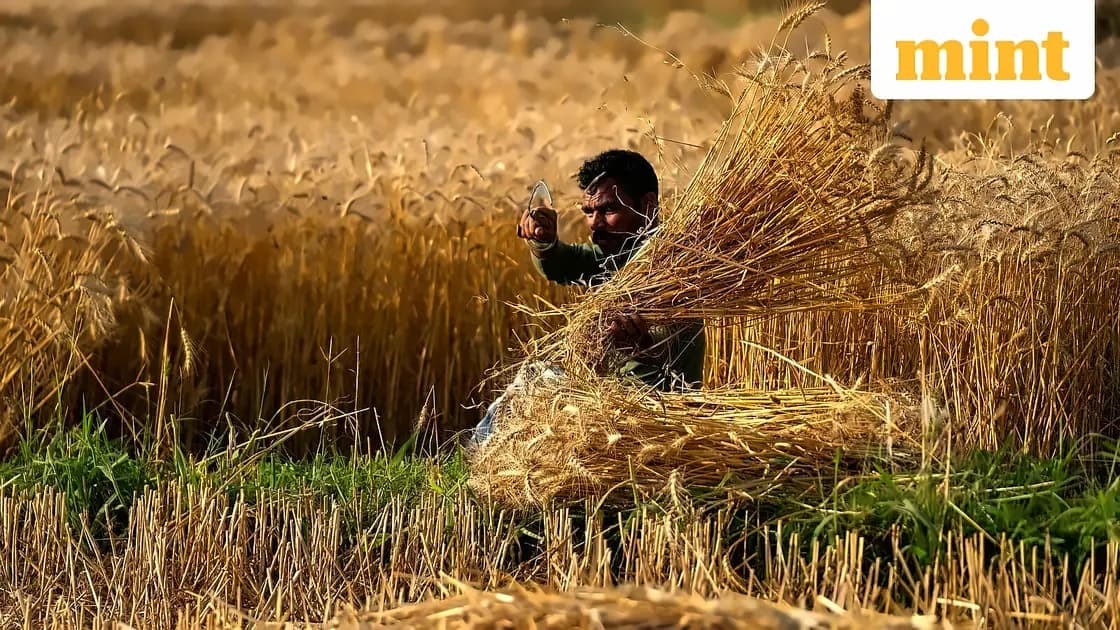
Farmers are planning to grow soybeans instead of sugarcane due to forecasts of below-normal monsoon rainfall due to El Nino, according to Reuters reports. Weather experts predict this year's monsoon to be the weakest in 11 years, creating additional pressure on water-intensive crops. As reported by Reuters, Manoj Kale, a farmer from Solapur in Maharashtra, stated that "since there is a forecast of less rain, we are planning to grow soybeans this time because they need much less water than sugarcane." Soybean acreage is likely to rise, but rainfall during monsoon will be key in determining yields.
India's soybean imports are expected to rise to a record 900,000 tons this year, driven by lower production last year, according to Reuters. Higher domestic production is expected to help curb imports, benefiting India's poultry industry, the largest consumer of soymeal. India buys palm oil mainly from Indonesia and Malaysia, while it imports soyoil and sunflower oil from Argentina, Brazil, Russia and Ukraine. The shift to soybeans will also ease domestic soybean and soymeal prices, providing relief to the poultry sector.