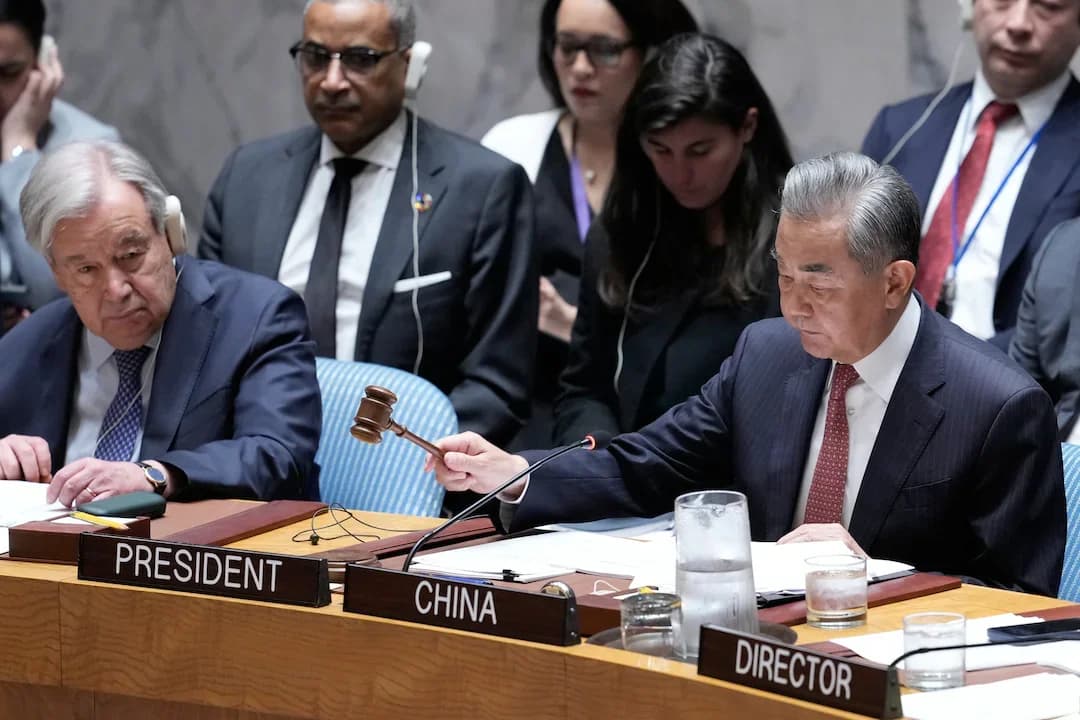
China has reinforced its backing for Pakistan's mediating role in the Iran-US conflict, with Foreign Ministry spokesperson Guo Jiakun confirming China's position during Pakistani Prime Minister Shehbaz Sharif's visit to China. According to the Ministry of Foreign Affairs of the People's Republic of China, China supports Pakistan in playing a just and balanced mediating role for ending the conflict and bringing about peace. The Chinese support aligns with President Xi Jinping's four propositions on safeguarding and promoting peace and stability in the Middle East, with China committed to working with Pakistan and the wider international community to make positive contributions to restoring peace and stability in the Middle East at an early date.
Iran-US negotiations have reached a critical juncture as Iranian Foreign Ministry spokesperson Esmaeil Baghaei confirmed on Thursday that Tehran is reviewing Washington's latest position on ending the war. According to Iran's state-run agency Nour News, Baghaei stated: "We have received U.S. views and are reviewing them." The diplomatic activity intensified with Pakistan's interior minister visiting Tehran on Wednesday, continuing Pakistan's role as the primary back-channel mediator between the two sides. However, talks have shown little progress despite multiple rounds of communication facilitated by Pakistan, with the latest developments showing China's consistent support for Pakistan's mediating efforts.
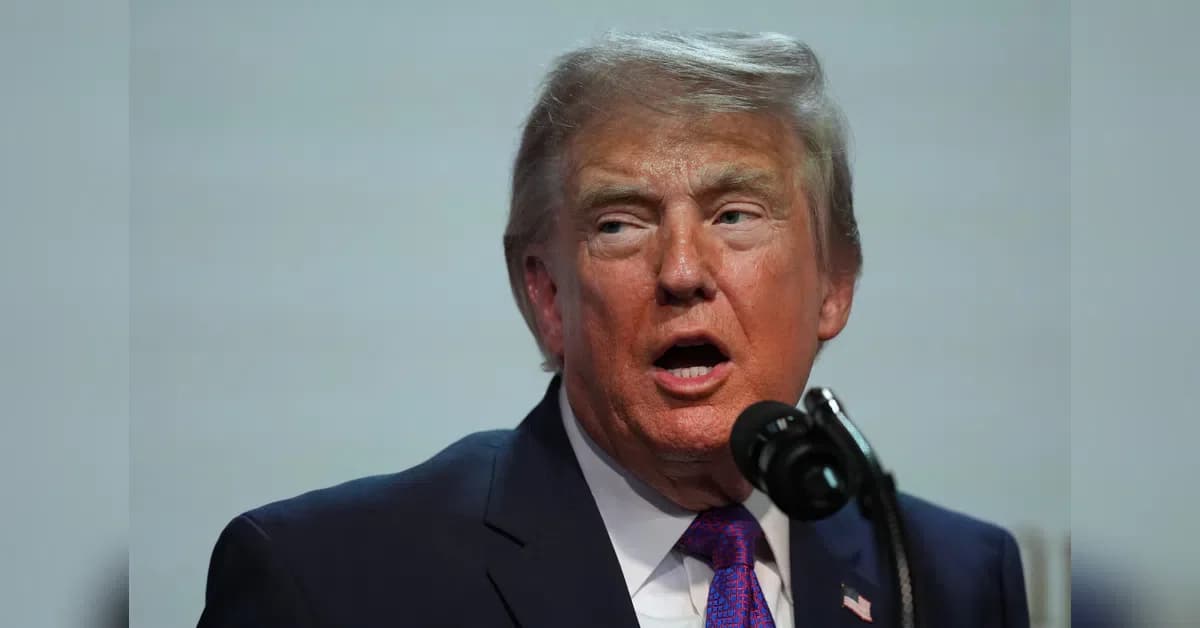
President Trump has indicated he is prepared to wait for the right answers from Tehran while simultaneously warning of renewed military action. As reported by multiple sources, Trump told reporters: "Believe me, if we don't get the right answers, it goes very quickly. We're all ready to go." When asked about his timeline, Trump stated: "It could be a few days, but it could go very quickly." The President reiterated his determination not to allow Iran to acquire a nuclear weapon, stating: "We're in the final stages of Iran. We'll see what happens. Either have a deal or we're going to do some things that are a little bit nasty, but hopefully that won't happen."
Iran has submitted its latest offer to the US this week, with Tehran's descriptions suggesting it largely repeats terms Trump previously rejected. According to reports, Iran's demands include control of the Strait of Hormuz, compensation for war damage, lifting of sanctions, release of frozen assets and the withdrawal of U.S. troops. On Wednesday, Iran released a map showing a "controlled maritime zone" at the strait and said transit would require authorization from an authority set up to control the area. Iran aims to reopen the strait to friendly countries that abide by its terms, which could potentially include fees for access, which Washington says would be unacceptable.
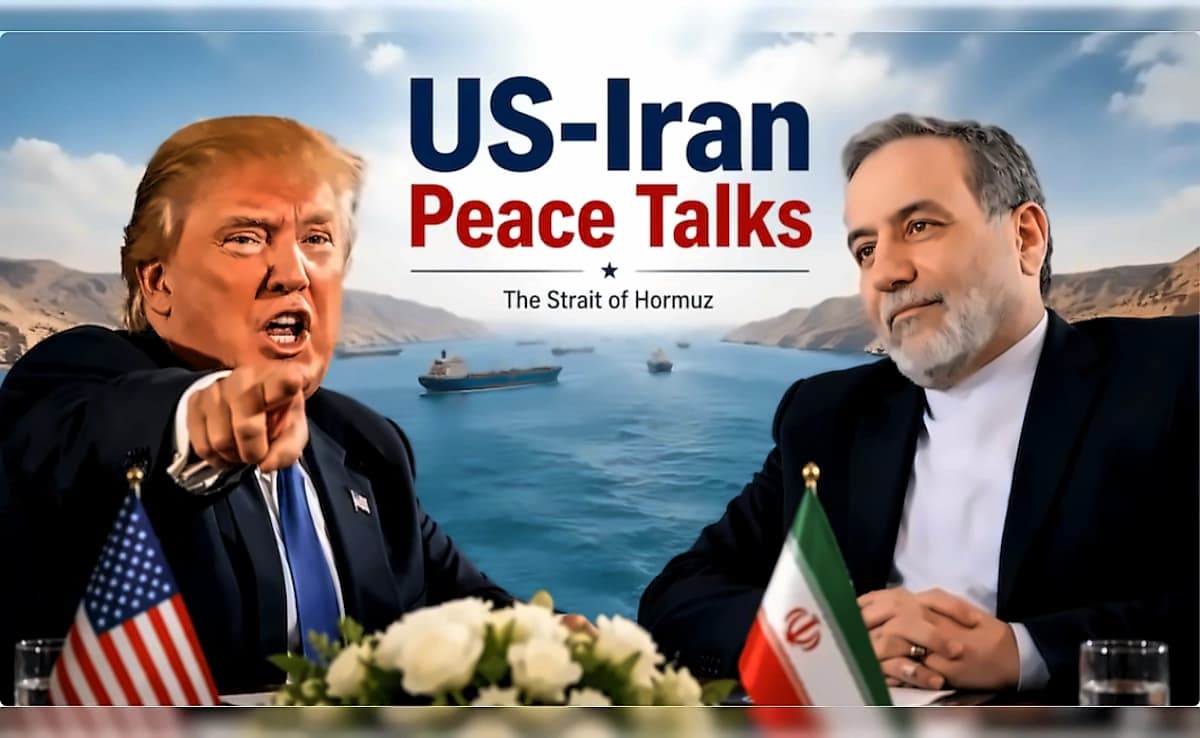
The recovery of shipping through the Strait of Hormuz continues to show gradual improvement, though still significantly below pre-war levels. According to Lloyd's List, at least 54 ships transited the strait last week, about double the previous week. Iran reported that 26 ships had crossed in the past 24 hours, still only a fraction of the 125 to 140 daily passages before the war began. Two Chinese supertankers carrying a total of around 4 million barrels of oil exited the strait on Wednesday, while a South Korean tanker with 2 million barrels of crude loaded in Kuwait was also crossing the strait in cooperation with Iran.
The conflict's regional consequences continue to mount as both sides maintain their military readiness. Iran's Revolutionary Guards have warned against renewed attacks, stating: "If aggression against Iran is repeated, the promised regional war will extend beyond the region this time." The war began on February 28 when the US and Israel launched massive airstrikes on Iran, followed by Tehran's retaliation by blockading the Strait of Hormuz, triggering the worst energy supply crisis in history. Trump and Israeli Prime Minister Benjamin Netanyahu stated their war aims were to curb Iran's support for regional militias, dismantle its nuclear programme, destroy its missile capabilities and make it easier for Iranians to topple their rulers, though Iran has retained its stockpile of near-weapons-grade enriched uranium and missile capabilities.