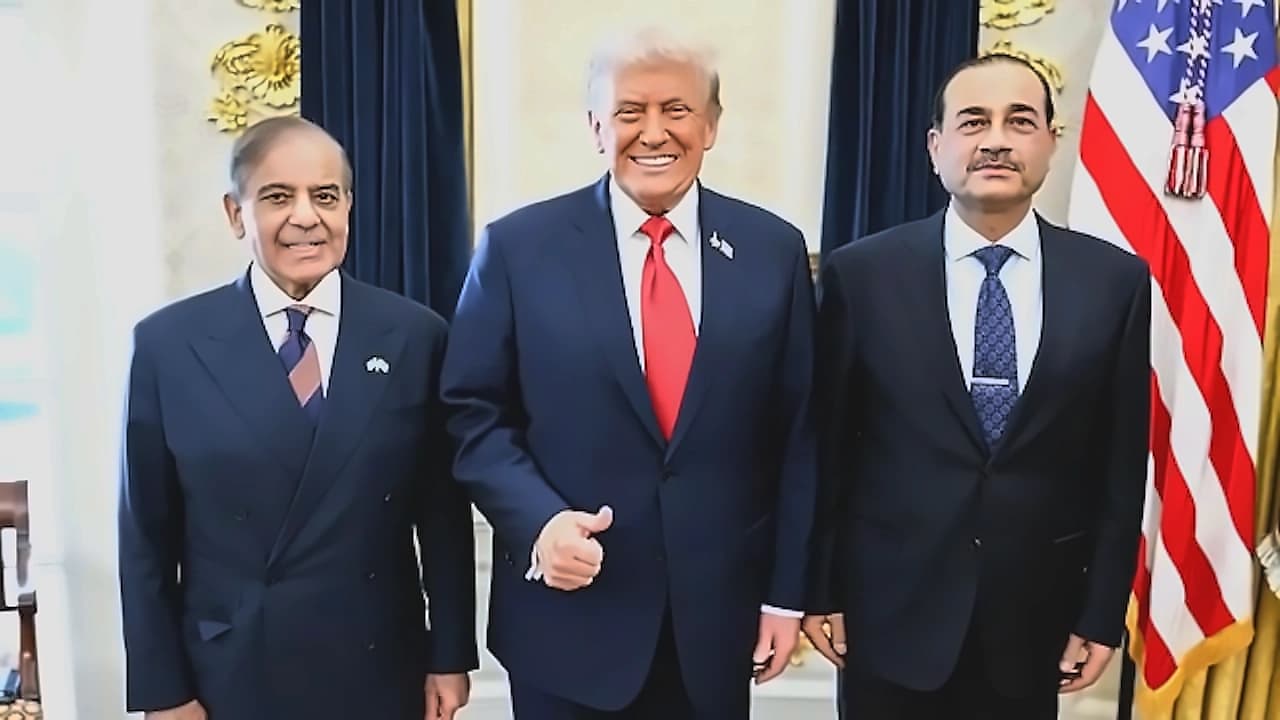
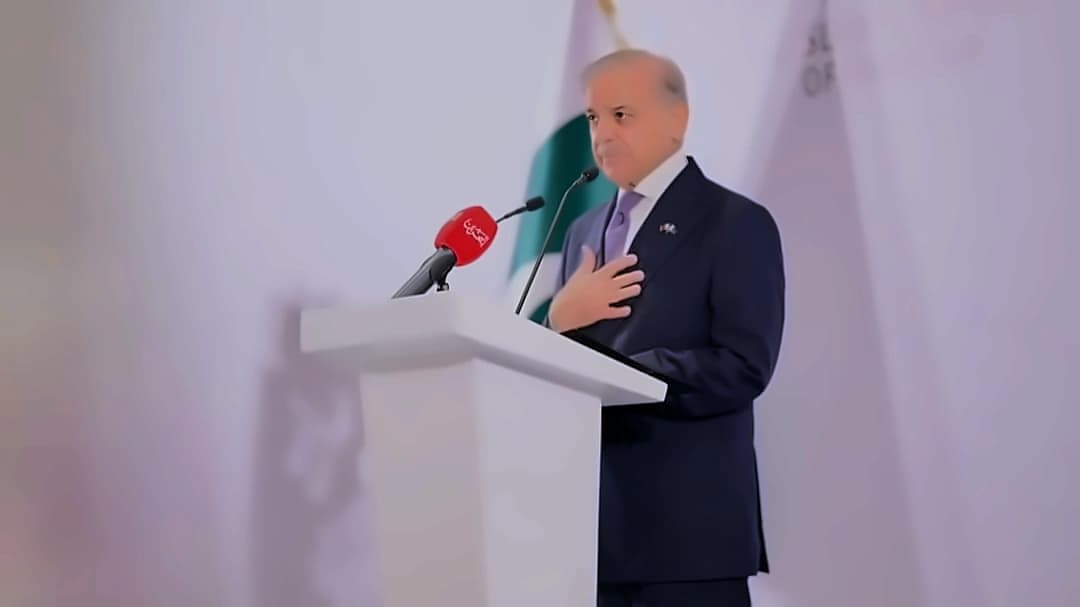
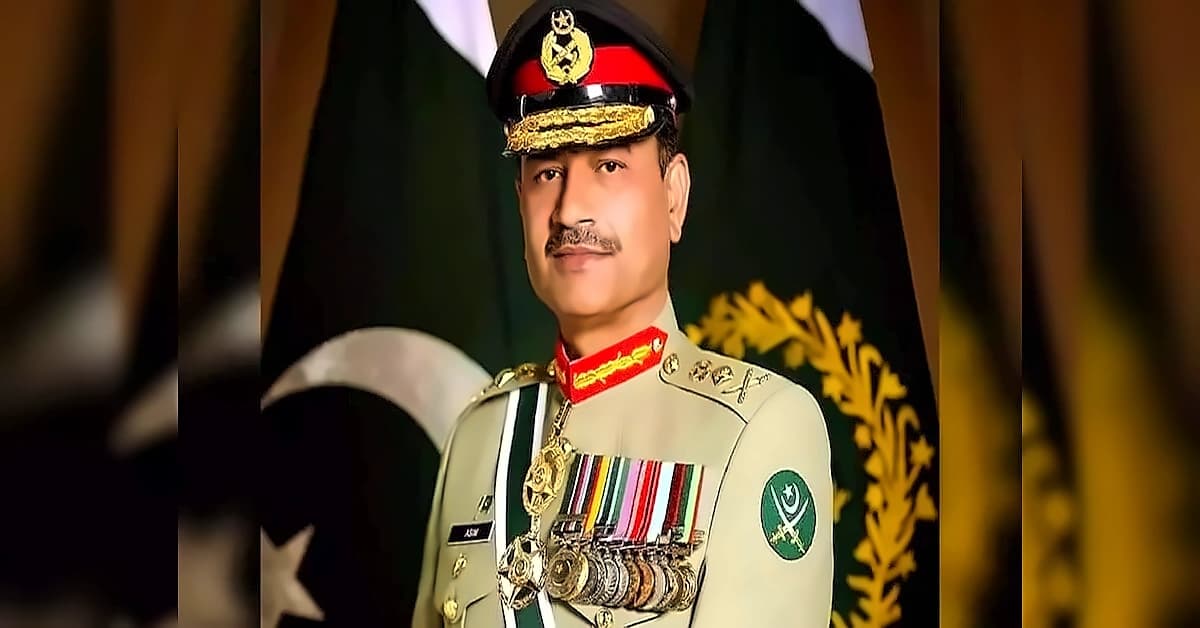
Pakistan's army chief Field Marshal Asim Munir will visit Tehran on Monday to continue efforts to bring peace and security to the region, according to Iran's foreign ministry spokesperson Esmaeil Baghaei. As reported by Reuters, the visit by Munir and the accompanying delegation aims to bolster bilateral cooperation and build on 'Pakistan's efforts to help strengthen peace and security in the region'. The visit represents Pakistan's mediator role in ongoing negotiations between Iran and the US aimed at ending the conflict that began with US and Israeli strikes on Iran in February. Two Pakistani government sources confirmed Munir's visit to Reuters, with the first source revealing that Iran and Pakistan were in direct contact ahead of the visit. Iranian Foreign Minister Abbas Araghchi and Munir discussed the latest regional developments during a telephone conversation on Saturday, focusing on effective ways to enhance peace, stability and security in West Asia.
The visit comes amid escalating tensions as Washington prepares to enact additional economic sanctions against Tehran, with Iran condemning the planned measures. According to reports, Iran is set to accuse the United States of breaching international law and attempting to extend its hegemony over other countries. Baghaei described the proposed secondary sanctions as an assertion of 'extraterritorial sovereignty', while warning that the measures could further weaken Iran's economy and affect countries that maintain trade ties with Tehran, including China, a major buyer of Iranian oil. US President Donald Trump has warned countries against providing Iran with an economic 'lifeline' and maintained that Tehran has been unwilling to accept what Washington considers acceptable terms for a deal. 'They would love to make a deal, but they're not ready to make the right deal, in my opinion,' Trump said, quoted by Reuters.
The standoff has intensified over the Strait of Hormuz, a critical global energy route, with oil shipments through the waterway falling sharply. Iran has threatened action against unauthorized tankers attempting to transit the strait, creating significant disruption to global energy supplies. The crisis has created substantial economic pressure, with oil shipments at a virtual standstill in the Strait of Hormuz, as Tehran threatens to strike any unauthorized oil tankers that try to transit the vital waterway. This disruption comes as Iran's economy is already under immense pressure from existing sanctions, making the current situation particularly challenging for the Islamic Republic.
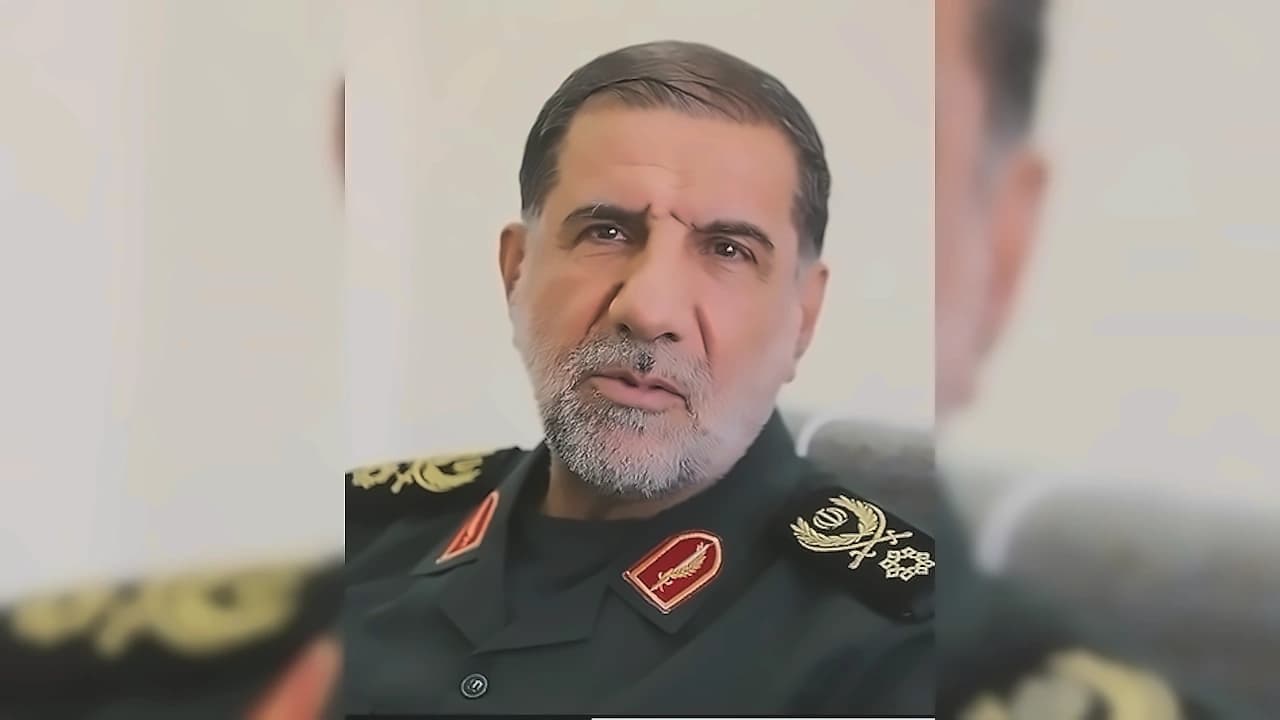
The visit coincides with ongoing efforts to strengthen regional economic ties, as under joint agreements signed between Iran and Pakistan, the two neighboring countries are expected to raise their bilateral trade from over $3 billion to $10 billion. However, the current sanctions environment poses challenges to this cooperation. US President Donald Trump had warned of economic consequences against any country that provided 'any type of lifeline to Iran' as he seeks to isolate the Islamic Republic. The economic pressure extends beyond bilateral trade, with Iran's Supreme National Security Council Secretary Mohsen Rezaei warning neighbouring countries against joining the US economic campaign, saying countries that cooperate with Washington's pressure measures could be considered enemies.
Pakistan has played a crucial role in regional peace efforts, brokering a Memorandum of Understanding (MoU) between Iran and the US on June 17 that required both sides to end all hostilities and prepare for further negotiations. Pakistan had previously played a pivotal role in securing the April 8 ceasefire that brought an end to the 40-day illegal US-Israeli aggression against Iran, for which Iran thanked Pakistan for its wartime support and its role in mediating the war-termination deal between Tehran and Washington. The current visit continues Pakistan's continued mediation efforts to help promote regional peace and security in West Asia, demonstrating the country's commitment to maintaining regional stability through diplomatic channels. As per Reuters, the visit is in continuation of Pakistan's efforts to strengthen peace and security in the region amid the escalating tensions.