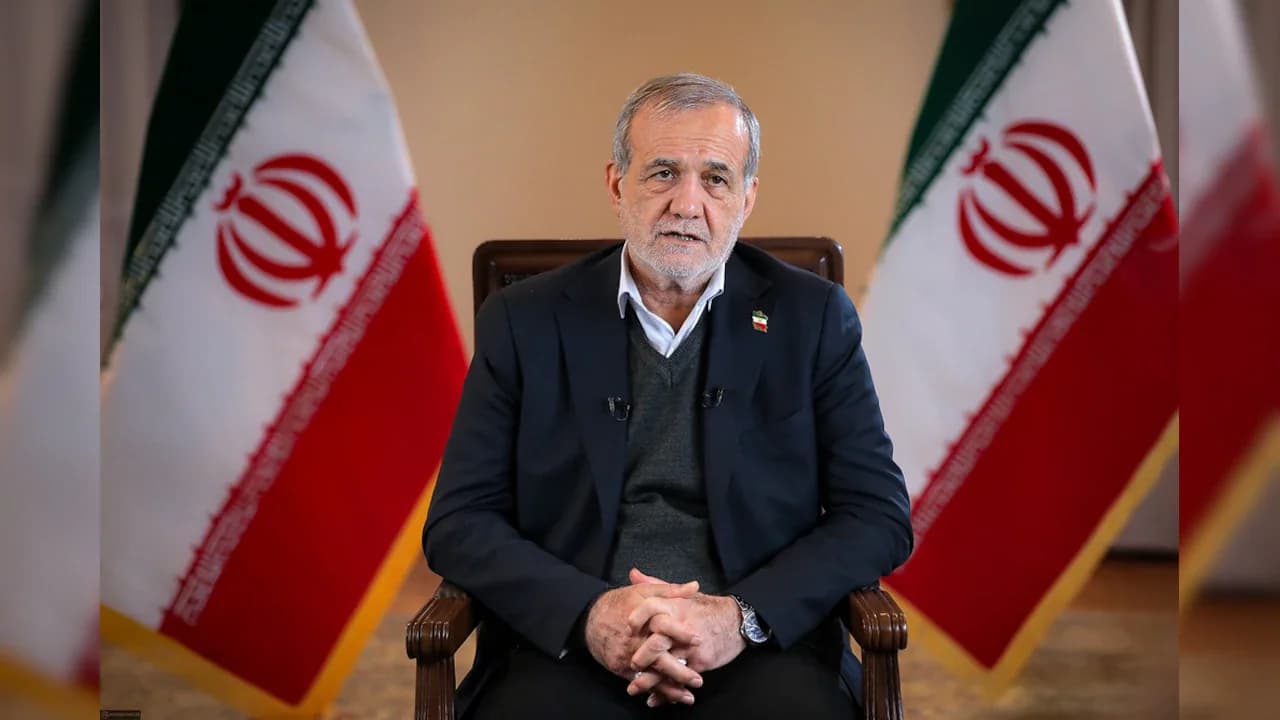
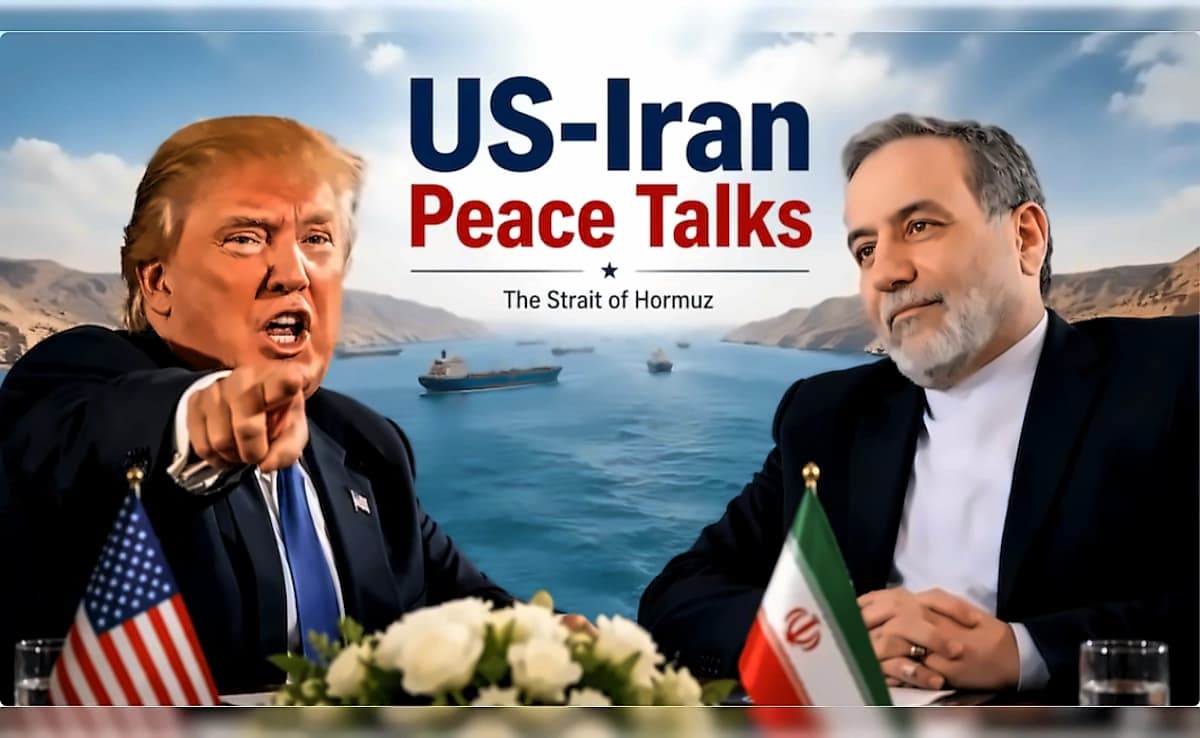
Iranian Foreign Minister Abbas Araqchi signalled deep mistrust toward the United States following President Trump's recent talks with Chinese President Xi Jinping. According to reports from Moneycontrol, Araqchi made these remarks while speaking in New Delhi, emphasizing that Tehran would only continue negotiations if the US demonstrated serious commitment to diplomacy. The foreign minister's comments highlight the growing distrust that is making it increasingly difficult to reach a comprehensive deal to end the ongoing conflict. Recent Tehran media coverage points to growing frustration with the diplomatic impasse, with many insiders voicing concern that negotiations have stalled and more confrontation may lie ahead.
The latest developments show that President Trump left China with no major breakthroughs on trade or tangible help from Beijing to end the Iran war, despite spending two days heaping praise on his host, Xi Jinping, as reported by Reuters. This failure to secure Chinese assistance in resolving the Iranian conflict represents a significant setback for diplomatic efforts, particularly given China's strategic position in the region. The Iranian foreign minister had previously confirmed that Pakistan-mediated talks remain stalled, as reported by Moneycontrol, with Araqchi warning that Iran is prepared to return to fighting if diplomatic efforts collapse. According to recent expert analysis, the two sides have persuaded themselves that they are excellent negotiators, which makes compromise harder. The best Washington may achieve is not a grand bargain but a framework for drawn-out talks, with the best-case scenario being locking into negotiations through the end of the Trump administration.
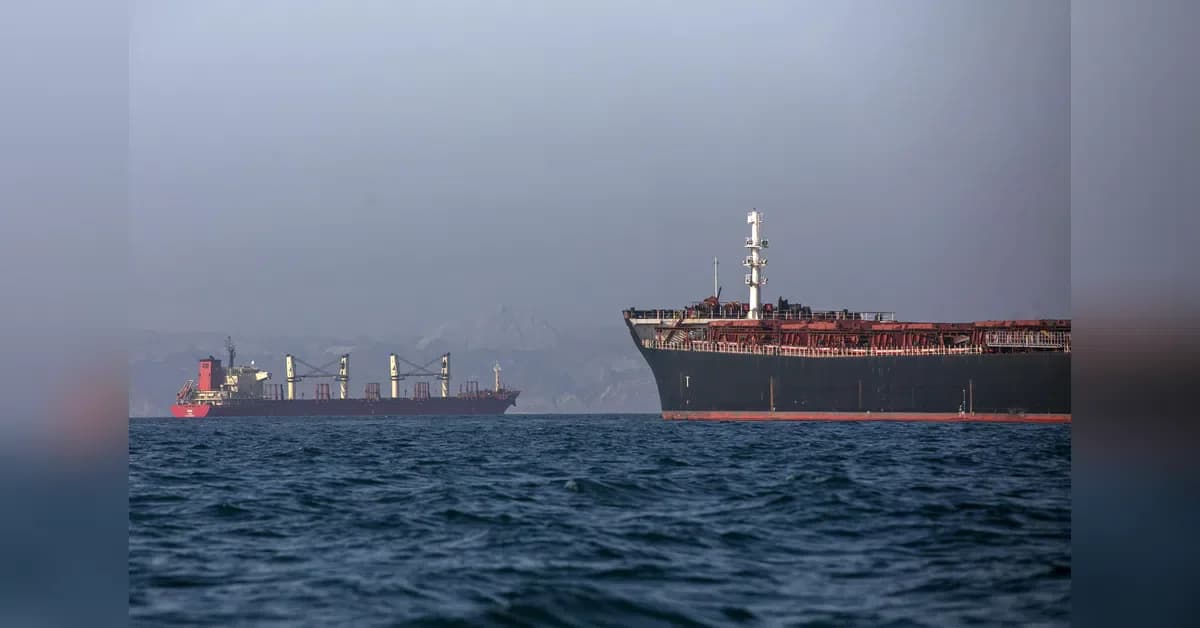
The diplomatic tensions come amid ongoing stalled ceasefire negotiations between the US and Iran, according to Moneycontrol reports. These developments occur against the backdrop of continuing tensions around the Strait of Hormuz, which represents one of the world's most critical oil shipping routes, adding strategic importance to the diplomatic standoff. The growing distrust is creating significant challenges for any potential resolution of the ongoing military conflict. Recent expert analysis suggests that the war may not have pushed the Islamic Republic toward compromise, but further into the hands of its security establishment. With Mojtaba Khamenei less visible and Revolutionary Guard hardliners appearing more influential, Tehran's instinct seems to be to "hunker down and wait out" President Donald Trump, as noted by analysts.
Recent expert discussions reveal deep skepticism about the current diplomatic track's ability to quickly produce a comprehensive settlement. Analysts warn that the conflict remains suspended between competing assumptions, with Trump appearing to believe economic pressure will force Iran to blink while Tehran may believe it can outlast him by enduring pain and repressing dissent. The US naval blockade of Iranian ports, which began on April 13, has intensified pressure on Tehran's economy and maritime trade, pushing shipping, insurance risk and control of Hormuz to the center of the conflict. Experts disagree sharply on Iran's control of the Strait of Hormuz, with one arguing that even a weak Iran can still disrupt one of the world's most important energy chokepoints through fear tactics, while another maintains that Iran controls the strait only because the US is letting it.