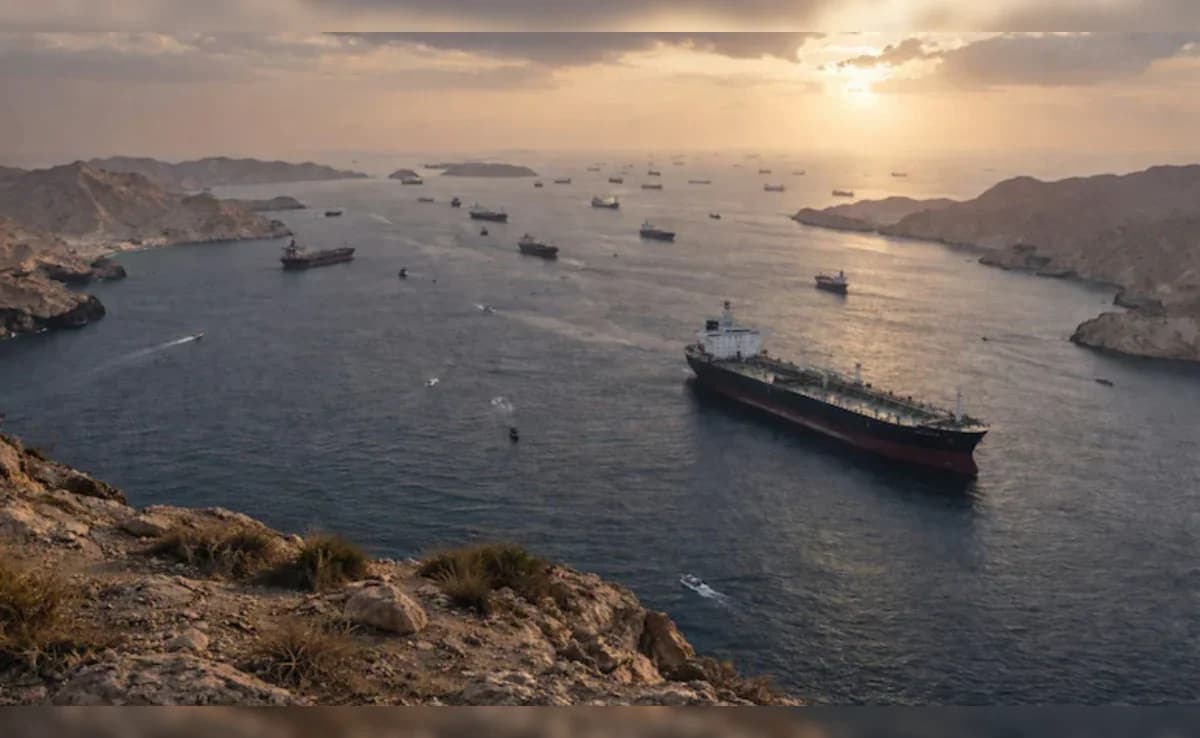
Iran has announced plans to introduce a new traffic management mechanism for the Strait of Hormuz, one of the world's most strategically vital maritime chokepoints amid the ongoing US naval blockade. According to reports from Reuters, the announcement was made by Ebrahim Azizi, chairman of the Iranian parliament's national security and foreign policy committee, who stated that Tehran has prepared a mechanism that will direct ships along a designated path through the strategic waterway. As per Reuters, Azizi said: "In this process, only commercial vessels and parties cooperating with Iran will benefit from it." The official added that details of the mechanism would be unveiled soon, with the system designed to operate along a designated route while positioning it as part of Iran's national sovereignty framework.
The new mechanism will not provide universal access to all vessels. As reported by Reuters, Azizi declared that "access under the proposed arrangement would be limited to commercial ships and countries maintaining cooperative relations with Iran" and that "Iran intends to charge fees in exchange for 'specialised services' provided as part of the transit mechanism." The statement makes clear that access to the route will not be universal, with the mechanism specifically designed to serve cooperating commercial entities and countries with diplomatic ties to Iran. Reuters reports that this preferential access approach will prioritize commercial vessels and parties with established cooperation arrangements with Tehran.
Most significantly, Azizi declared that "this route will remain closed to the operators of the so-called 'freedom project'" and that "the route would remain closed to operators linked to what he described as the 'Freedom Project'" according to Reuters. The comments come amid heightened tensions in the Gulf region and growing concerns over global energy supplies, with the Strait of Hormuz remaining one of the world's most critical oil shipping routes. The move has significant implications for global energy markets as the Strait of Hormuz is one of the world's most critical oil transit chokepoints.
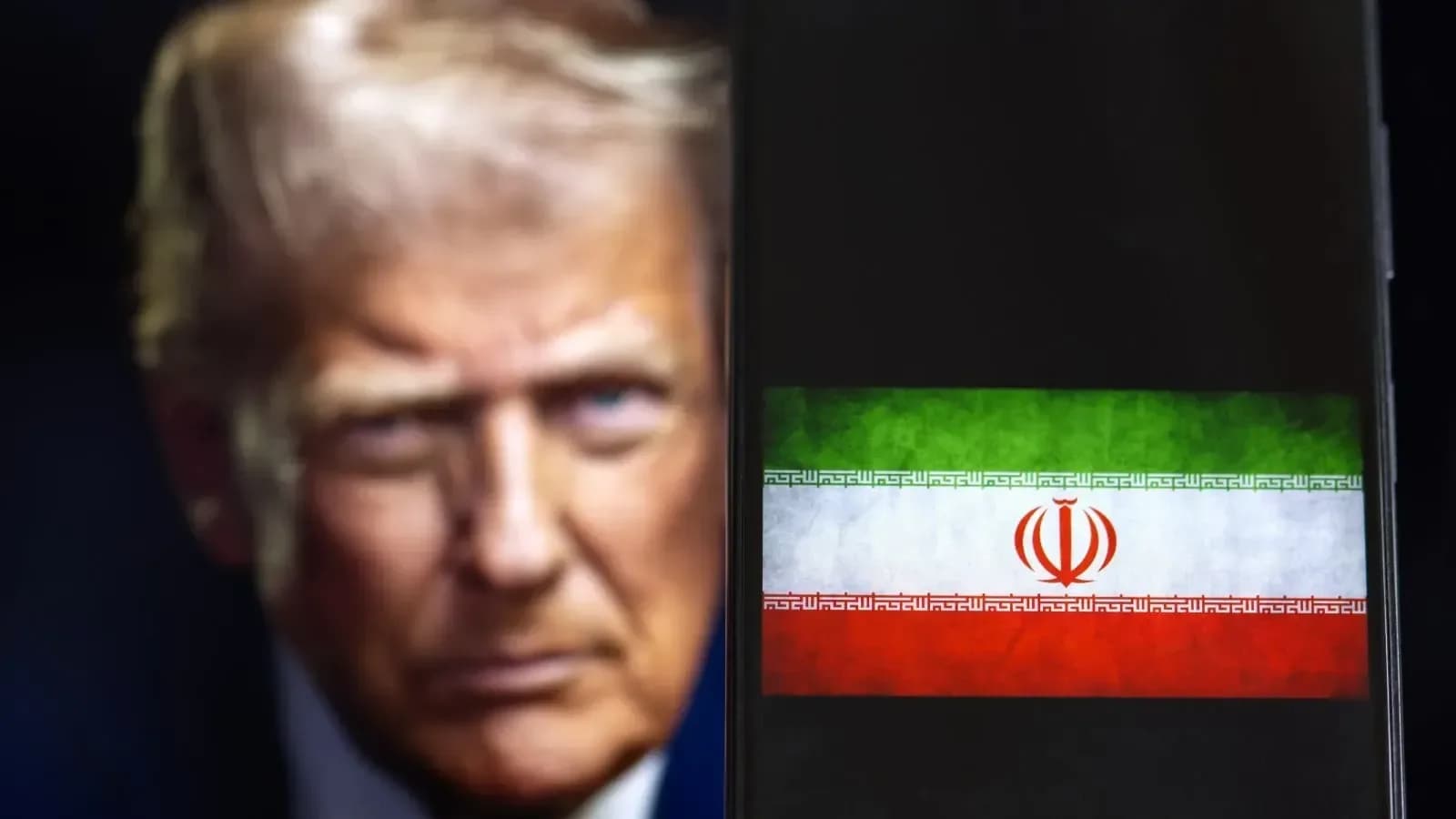
Despite the April 8 ceasefire, both sides have continued to accuse each other of violations and have maintained an unrelenting exchange of threatening statements. As reported by Reuters, Iranian Foreign Minister Abbas Araghchi confirmed that the US had delivered messages to Tehran expressing willingness to continue negotiations toward a comprehensive peace agreement in the region. However, Araghchi noted that Washington's outreach came after US President Donald Trump had publicly described Iran's response to American proposals as unacceptable. "We hope reason and logic return to the White House," Araghchi said, responding to Trump's May 10 statement on Truth Social platform where he wrote: "I have now read Iran's response. I don't like it. It is not acceptable in any way, shape, or form."
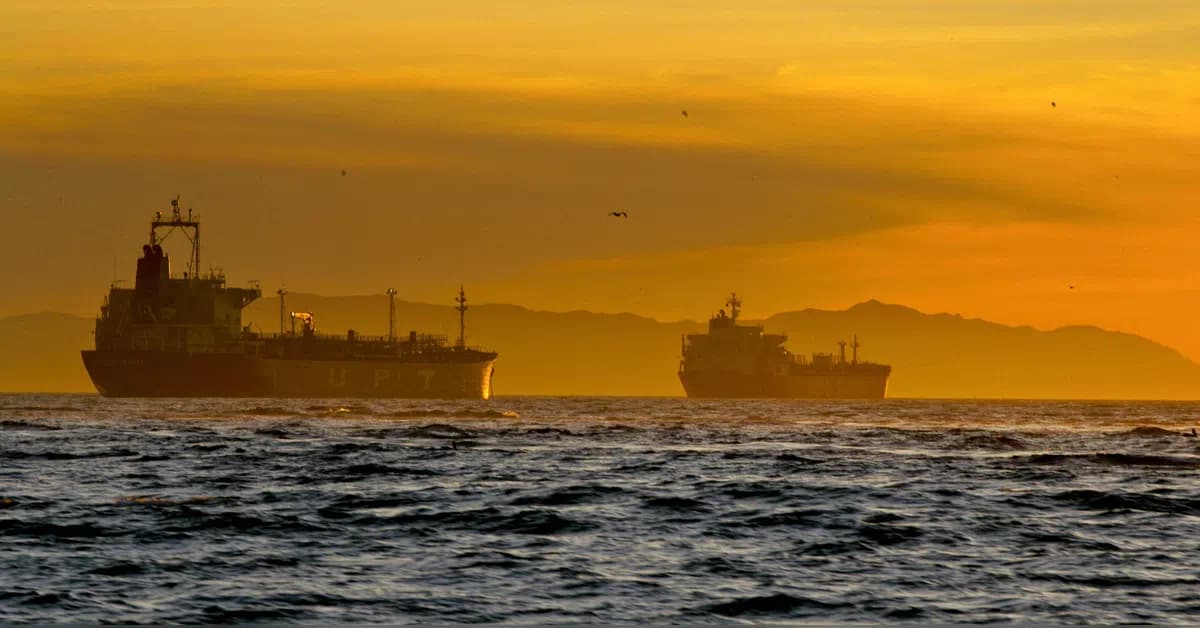
The Strait of Hormuz connects the Persian Gulf to the Gulf of Oman and is responsible for one-fifth of the world's energy supply, making it one of the most critical waterways for global energy security. As per Reuters, the Iranian authorities said that Tehran plans to create a 'managed transit mechanism', which will aim to regulate maritime traffic effectively. Energy-producing countries, including the United Arab Emirates, Saudi Arabia, Iraq, and Iran, rely heavily on this route to transport oil and liquified natural gas. Any disruption in the Strait of Hormuz directly impacts global energy supplies and international oil prices, highlighting the strategic importance of the new traffic management system. The duelling announcements come amid one of the most volatile periods in the Strait of Hormuz's modern history, with the US maintaining a naval blockade since April 13 that has significantly raised stakes in the ongoing standoff.