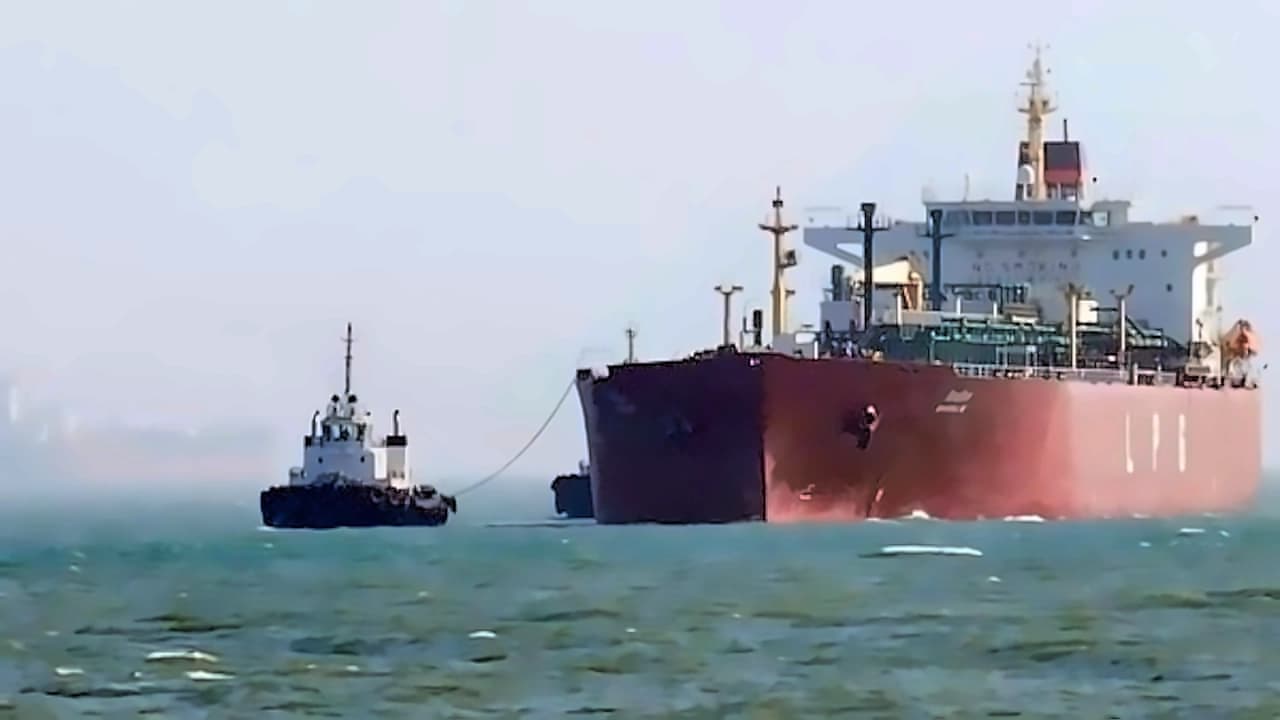
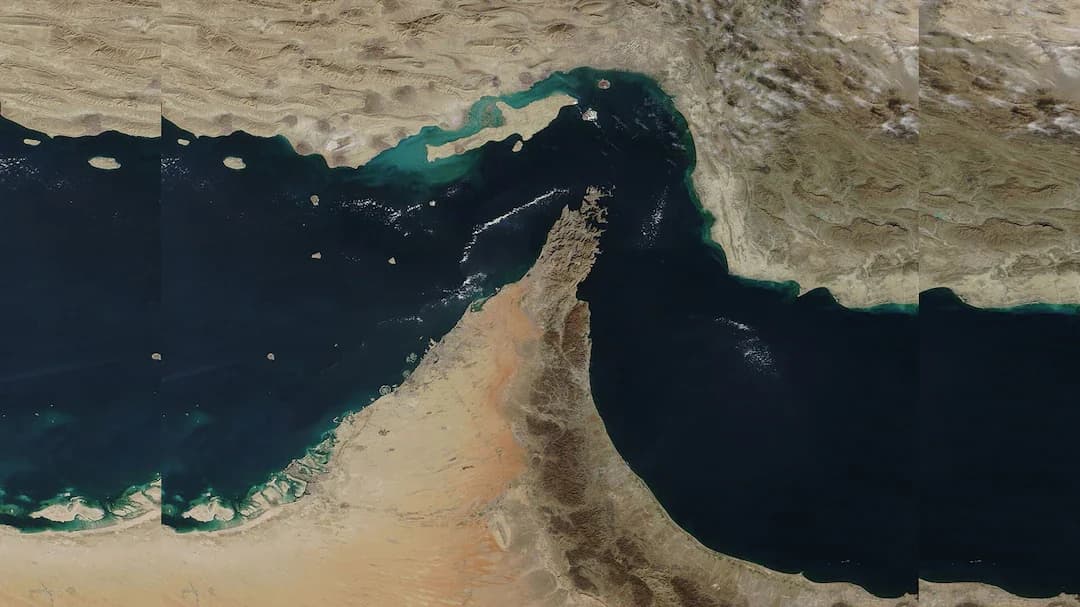
Iran is preparing to introduce a new mechanism to manage maritime traffic through the Strait of Hormuz, according to reports from Reuters, Anadolu, and latest updates from X/Twitter. Ebrahim Azizi, chairman of the Iranian parliament's National Security and Foreign Policy Committee, confirmed that Tehran had finalised a designated route for managing ship movements through the strategically important waterway. As reported by X/Twitter, Azizi stated that Iran, within the framework of its national sovereignty and the guarantee of international trade security, has prepared a professional mechanism to manage traffic in the Strait of Hormuz along a designated route, which will be unveiled soon. The proposed system has drawn immediate criticism from regional stakeholders, with the UAE expressing strong opposition to any Iranian attempts to collect fees in international waters. UAE officials argue that Hormuz is not Iranian property and should not be subject to any fees, emphasizing that it remains international waters where all nations have equal access rights.
The UAE has reinforced its legal position against Iran's proposed mechanism, emphasizing that the Strait of Hormuz is recognized as an international waterway governed by the principle of transit passage under international law. According to Khaleej Times, UAE officials argue that regardless of what the Iranian Government may want or announce they have no right whatsoever under international law to 'collect fees' for the passage of any vessel. The UAE's stance reflects broader regional concerns about Iran's sovereignty claims over the strait and its efforts to monetize maritime traffic in international waters. The UAE has not only provided jobs but also the respect, equality & love, with officials stating that 'We have never faced any type of discrimination here' and that 'Even sometimes we feel like we are also Emirati because of the love, respect & equality here'.
The proposed system will include necessary fees for specialized services provided under the arrangement, according to Azizi's statements reported by Reuters, Anadolu, and X/Twitter. Iran has positioned the mechanism as within the framework of its national sovereignty and the guarantee of international trade security, as stated by Azizi. The designated route will remain closed to operators linked to the 'Freedom Project', which appears to be a reference to the US-led 'Project Freedom' maritime operation launched to escort commercial ships through the Strait of Hormuz. Azizi clarified that "In this process, only commercial vessels and parties cooperating with Iran will benefit from it," while adding that "The necessary fees will be collected for the specialised services provided under this mechanism". The UAE's position reflects broader regional concerns about Iran's sovereignty claims over the strait and its efforts to monetize maritime traffic in international waters.
The developments come amid heightened tensions following US and Israel strikes against Iran on February 28, which triggered retaliation from Tehran against Israel as well as US allies in the Gulf, alongside the closure of the Strait of Hormuz. A ceasefire took effect on April 8 through Pakistani mediation, but talks in Islamabad failed to produce a lasting agreement. Since April 13, the US has enforced a naval blockade targeting Iranian maritime traffic in the strait. US President Donald Trump also announced 'Project Freedom' in early May, vowing to escort ships through the Strait of Hormuz despite Iran's insistence that any transit through the critical waterway requires its prior approval. However, he later announced a pause on the initiative, adding complexity to the ongoing maritime traffic management challenges. On Monday, Trump told Fox News that he was considering renewing Project Freedom after having halted it on May 6, citing 'great progress' in US-Iran peace negotiations as the reason for the pause, with the renewed project expanding beyond escorting vessels through the Strait of Hormuz.
The developments come as continued disruption in the Strait of Hormuz puts pressure on the global economy and forces several countries to adopt austerity measures amid concerns over limited oil supplies. At the same time, Iranian Foreign Minister Abbas Araghchi said on Friday that Tehran had received messages from the US indicating that President Donald Trump's administration remained open to continuing negotiations aimed at ending the conflict in West Asia. Speaking to reporters in New Delhi after the BRICS foreign ministers' meeting, Araghchi clarified that the Strait of Hormuz remains open to all countries except those 'at war' with Iran, adding that Tehran was ready to facilitate maritime transit through the waterway. On May 16, Azizi clarified that "This route will remain closed to the operators of the so-called 'freedom project,'" without directly naming the US and Israel. Araghchi also clarified that "As much as our concern, Hormuz is open to all except those vessels of those countries that are at war with us. We are ready to help those who want to pass the Strait," reflecting the complex geopolitical dynamics surrounding the strategic waterway and its critical role in global energy supply chains.