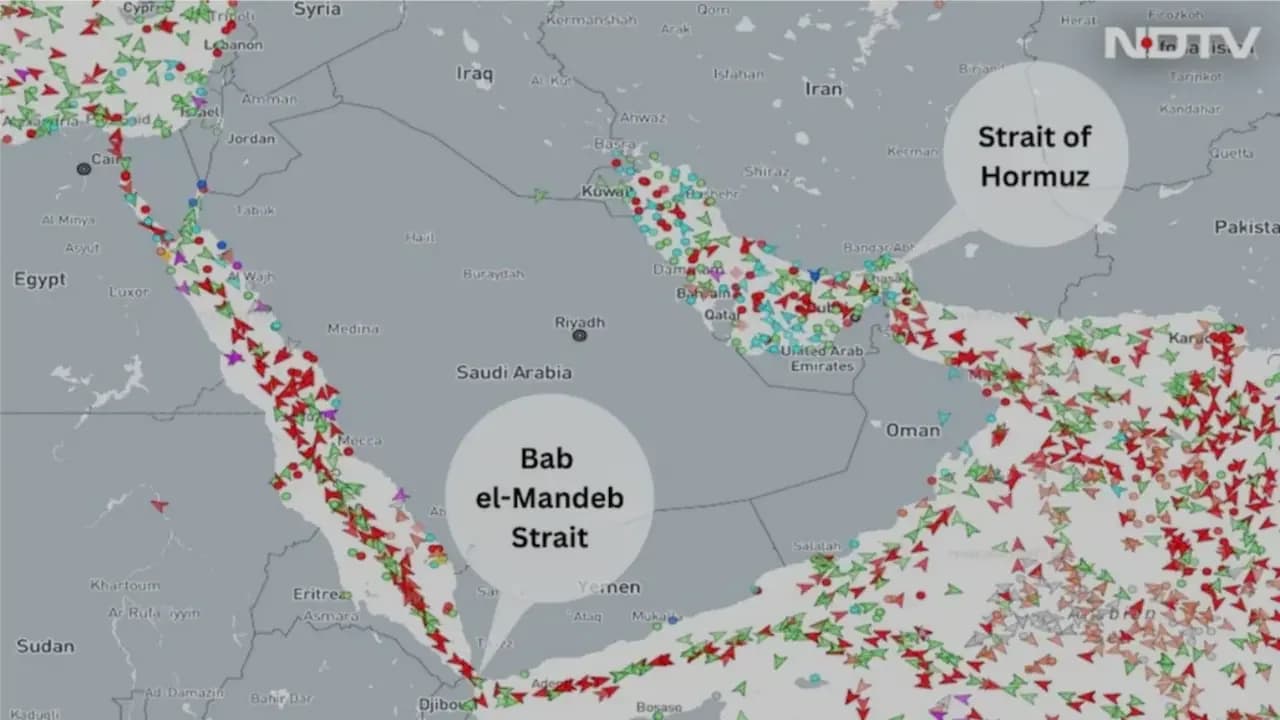
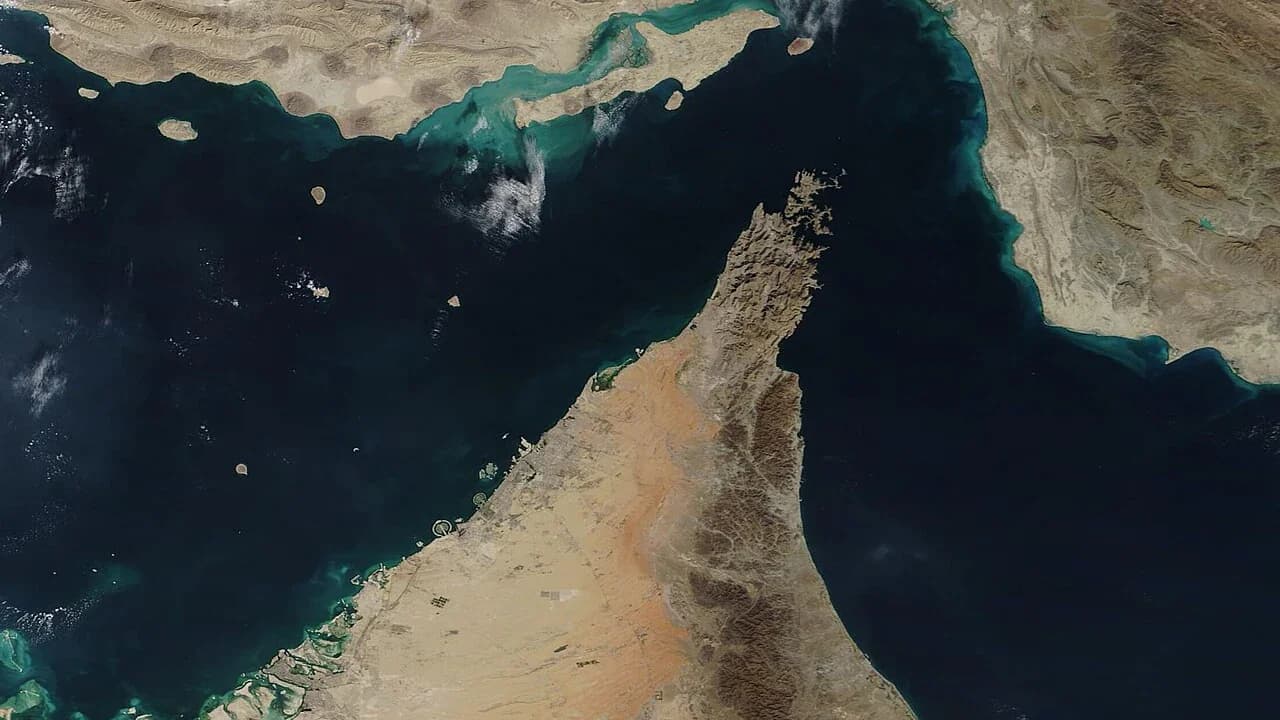
Iran's Islamic Revolutionary Guard Corps Quds Force commander Esmail Qaani has announced the formation of a new 'resistance security belt' spanning two of the world's most strategically critical maritime chokepoints. According to Iran's official IRNA news agency, the belt will stretch from the Strait of Hormuz to the Bab al-Mandeb and from the Persian Gulf to the Red Sea. The announcement came amid a brief pause in hostilities between Israel and Iran following a weekend of missile exchanges. As per latest reports, this strategic zone seeks to strengthen Iran's influence and defensive capabilities in the region by encompassing geographic locations that hold significant geopolitical importance. The declared security belt covers a broad geographic arc with Western boundary at Bab al-Mandeb, Eastern boundary at Hormuz Strait, Northern water body as Persian Gulf, and Southern water body as Red Sea.
In his statement, Qaani warned that any further Israeli or American aggression in the region would draw a coordinated response from Tehran's allied forces. Addressing Israel and the United States directly, Qaani issued a stark warning over the strategic waterways: 'The provocations of the Zionist regime and the United States in this region will be met with a reaction from the united resistance front. Borderless fighters are overlooking your transit chokepoints. Continue your aggression and they will seize you by the throat.' He praised Yemen's recent military actions as evidence of growing coordination within the resistance axis, stating that 'The timely and powerful action of heroic Yemen shows the wisdom of the resistance front. If necessary, others will also join.' The move underscores Iran's ongoing commitment to the Axis of Resistance, bolstering ties with regional partners to create a formidable network against adversarial threats.
The latest confrontation began when Iran launched missiles on Sunday, describing the action as retaliation for Israel's campaign against Hezbollah in Lebanon. Israel subsequently struck targets inside Iran despite reports that US President Donald Trump had sought to discourage further escalation. Additional Iranian missile launches followed before Tehran announced it was ending operations. Israeli Prime Minister Benjamin Netanyahu confirmed that Israel is now in a ceasefire with respect to Iran, stating 'the fire on that front is contained' after Iran signalled a halt to its attacks. However, Netanyahu warned that if Iran were to make the mistake of resuming attacks against Israel, 'we will respond with full force'. The escalation has prompted Iranian authorities to announce the resumption of normal flight operations after a temporary suspension linked to missile exchanges and military activity. The region has been on edge since the US and Israel launched airstrikes on Iran in late February, triggering Iranian retaliation on Israel and other regional countries hosting US assets, with a temporary ceasefire reached on April 8 before negotiations later stalled.
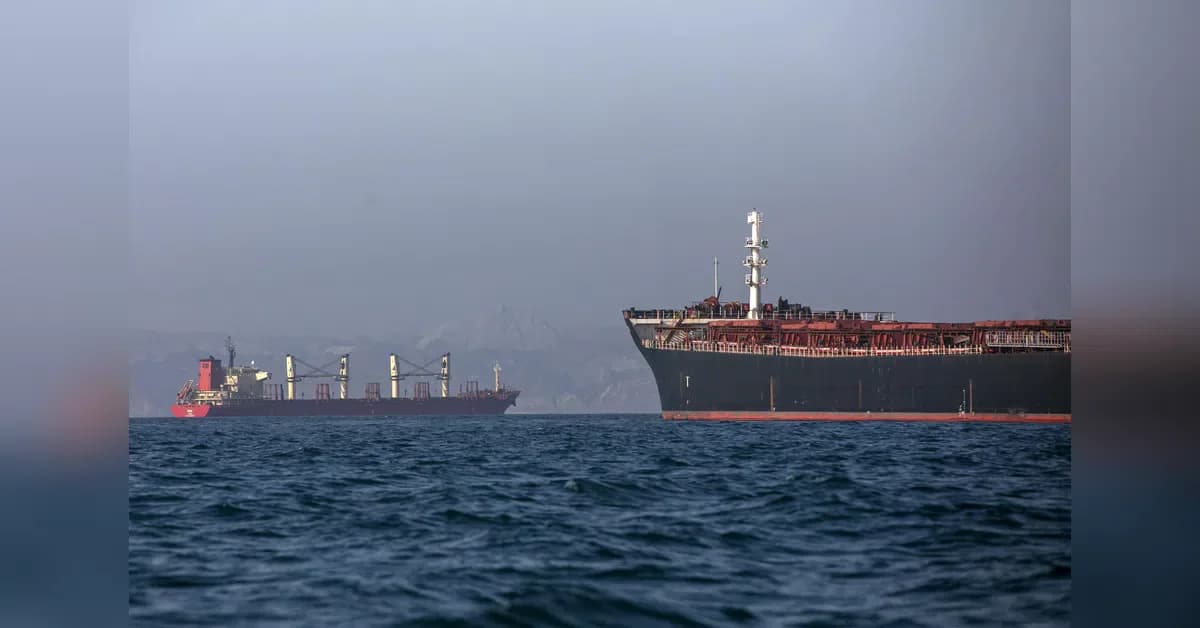
The conflict has created a unique crisis for Kuwait, which has no coastline outside the strait and no bypass pipeline of its own, leaving it entirely dependent on the Hormuz Strait that has been effectively closed since late February. As per Bloomberg reports, Kuwait Petroleum Corp's Chief Executive Officer Sheikh Nawaf Al-Sabah disclosed that the company is in talks with Saudi Arabia and the United Arab Emirates about routing its crude oil through their pipeline networks. The two routes under consideration are Saudi Aramco's East-West Pipeline (1,200 kilometres capacity of seven million barrels per day) and UAE's Abu Dhabi Crude Oil Pipeline (1.5 million barrels per day capacity). Abu Dhabi National Oil Company (ADNOC) is also building a second crude pipeline that will double Fujairah's export capacity, expected to be operational in 2027. KPC has been running its oil fields at minimum levels — enough to protect wells from damage and meet domestic demand while allowing for a rapid restart once the strait reopens. The conflict has knocked out roughly a fifth of daily global oil and gas supply, with shipping through Hormuz remaining at a near-standstill even after the ceasefire.
The declaration carries significant implications for global energy and trade. The Bab al-Mandeb Strait, located at the southern entrance of the Red Sea between Yemen and the Horn of Africa, is one of the world's most strategically important waterways — nearly 15% of global maritime trade passes through it each year. Any significant disruption could force vessels to reroute around Africa's Cape of Good Hope, adding thousands of kilometres to journeys and raising shipping costs globally. The proposed security belt aims to solidify Iran's standing and ensure a cohesive defensive front across the Gulf and Red Sea corridors. The announcement raises questions about how this security belt declaration might affect global shipping insurance premiums and freight rates through the Hormuz Strait and Bab al-Mandeb corridors, as well as potential countermeasures by regional or international naval forces to safeguard freedom of navigation. Sheikh Nawaf acknowledged the limitations of pipeline solutions, noting that 'pipelines are only as safe as the export facility at the end of it' and referencing how Iran struck Saudi Aramco's East-West pipeline in April, temporarily cutting throughput by around 700,000 barrels per day before repairs restored full capacity.