The International Energy Agency (IEA) has issued its most severe warning yet about the Strait of Hormuz crisis, with IEA Executive Director Fatih Birol warning that the world faces a 'red zone' supply crunch as early as July if the strait remains closed. According to IEA reports, the closure has already removed an estimated 14 million barrels of oil from global markets every day, with Birol stating that failure to reopen the strait will push the world into an even more severe supply crunch. The IEA has already released 400 million barrels from its strategic reserves - dwarfing the 182.7 million barrels released during Russia's war on Ukraine - but these reserves are now nearly depleted. Birol emphasized that the world needs to act now to reopen the Hormuz to mitigate long-term damage, as even if the strait were to reopen today, it would take weeks, if not months, for supply to stabilize.
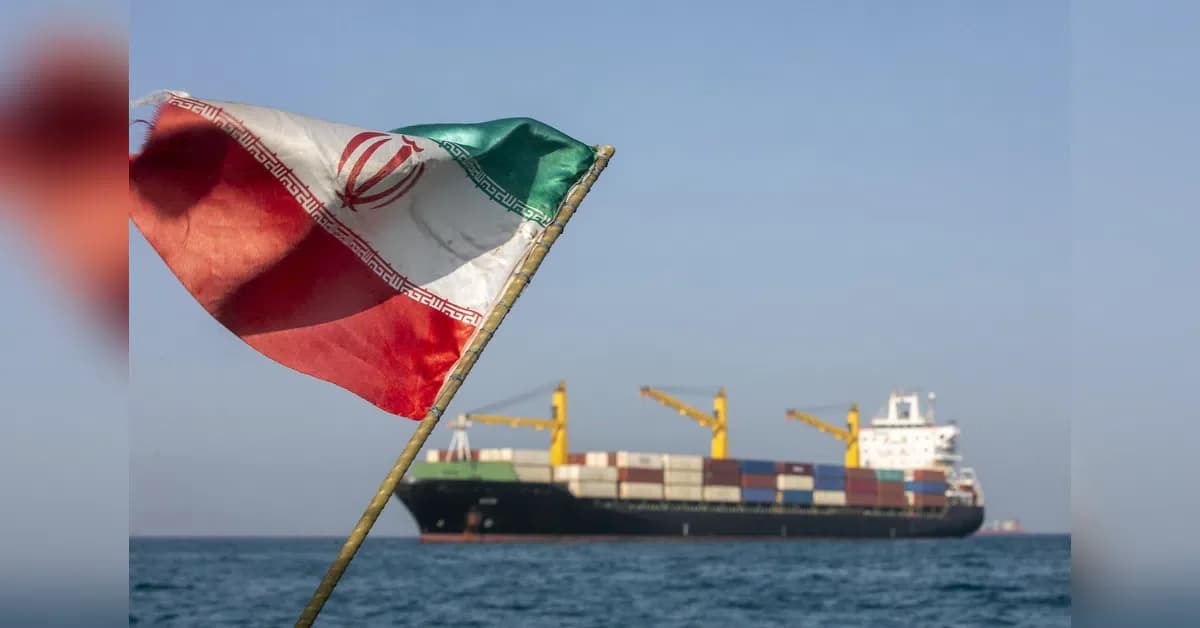
Recent developments show slight progress in negotiations between Washington and Tehran, with both sides indicating willingness to discuss reopening the Strait of Hormuz. According to the latest reports, Washington and Tehran are talking via Pakistani mediators about ending the conflict and reopening the chokepoint, with US Secretary of State Marco Rubio noting there has been 'slight progress' in talks. A senior UAE diplomat has put the odds of an immediate deal at '50-50', while industry consensus suggests Hormuz will reopen next month at worst, in July. The negotiations come as both sides appear to recognize the economic costs of prolonged disruption. However, analysts suggest that a deal limited to a one-page memorandum of understanding might not clear the strait fully, with the UAE accelerating plans for a second pipeline bypassing the strait, which it hopes to put into service in 2027. Peace talks remain stalled with neither side willing to compromise, as the US has insisted Tehran must surrender its enriched uranium stockpile and disband its nuclear programme, while Iran wants Washington to pay for war damages and roll back sanctions on export of its oil.
The closure has created significant economic damage, with Brent crude trading at $104-105 per barrel after resting at $72 a week before the war, having hit a high of $114 in early May and potentially crossing $120 if fighting were to resume. As reported by Bloomberg, the S&P 500 index is hovering close to an all-time high, up nearly 10% since the war began, while gasoline prices have risen but remain below 2022 record peaks. The IEA's release of 400 million barrels has helped cushion the supply-side shock, but even these reserves are now nearly depleted. The crisis is already affecting global markets, with jet fuel prices increasing by 25% in April and a further 5% in May in India, taking aviation fuel costs to $1,511.86 per kilolitre in Delhi. The American economy continues to gallop with second-quarter growth estimates above 4%, but the latest shipping tracker data reveals that 20% of global oil is currently at risk due to the ongoing disruption. The market has remained more sanguine than early predictions of $200 oil, but analysts estimate three months to one year for full market normalisation.
The Strait of Hormuz's critical importance is underscored by its role as one-quarter of all seaborne oil traded globally, with approximately 20 to 21 million barrels of crude oil and petroleum products transiting daily under normal conditions. A sustained full closure could remove up to 13 million barrels per day from accessible global supply, a shock that analysts compare to exceeding the scale of the 1973 oil embargo. Physical crude prices have already reached $120 to $125 per barrel in some spot markets, while futures markets continue to underreflect the physical supply reality. Asian economies, particularly Japan, South Korea, India, Taiwan, Vietnam, Thailand, and the Philippines, face the most acute near-term exposure, with developing economies globally facing compounding shocks through higher fuel, fertilizer, freight, and food costs. The crisis is accelerating structural transformation in global energy trade settlement, with BRICS nations progressively settling bilateral trade in non-G7 currencies and a proposed toll structure for strait transit reportedly including payment options denominated in Chinese yuan and Iranian rial.
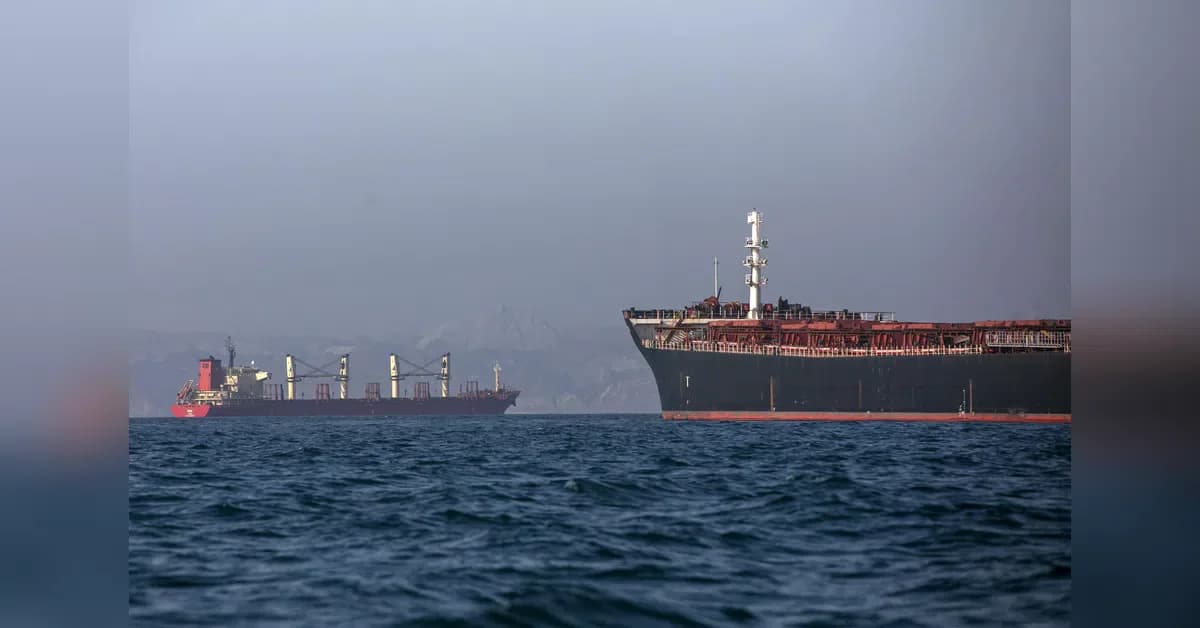
The conflict's third week has created visible economic and financial consequences, with equity markets remaining down while bond markets are now pricing in the prospect of tighter monetary policies. Against this deteriorating environment, financial institutions are adjusting portfolios to bring them closer to a Balanced allocation. The main risk lies in a prolongation of the Strait of Hormuz closure, which could have more lasting impact on energy markets and, by extension, on production in fuel-intensive sectors. As reported by Societe Generale, the deadlock in the conflict is already having visible economic and financial consequences, with the closure since 28 February keeping oil prices high. The IEA's warning about a 'red zone' refers to a state where supply can no longer comfortably absorb demand shocks, meaning existing reserves have been eroded to a point where any additional disruption could lead to supply shortfalls and price hikes. The truth is even if the strait were to reopen today, it would take weeks, if not months, for supply to stabilize, with insurers, shipping firms, and refiners likely keeping costs elevated. The UAE plans to double its export capacity by 2027 to avoid the strait, while the Saudis would likely need longer for similar infrastructure development.