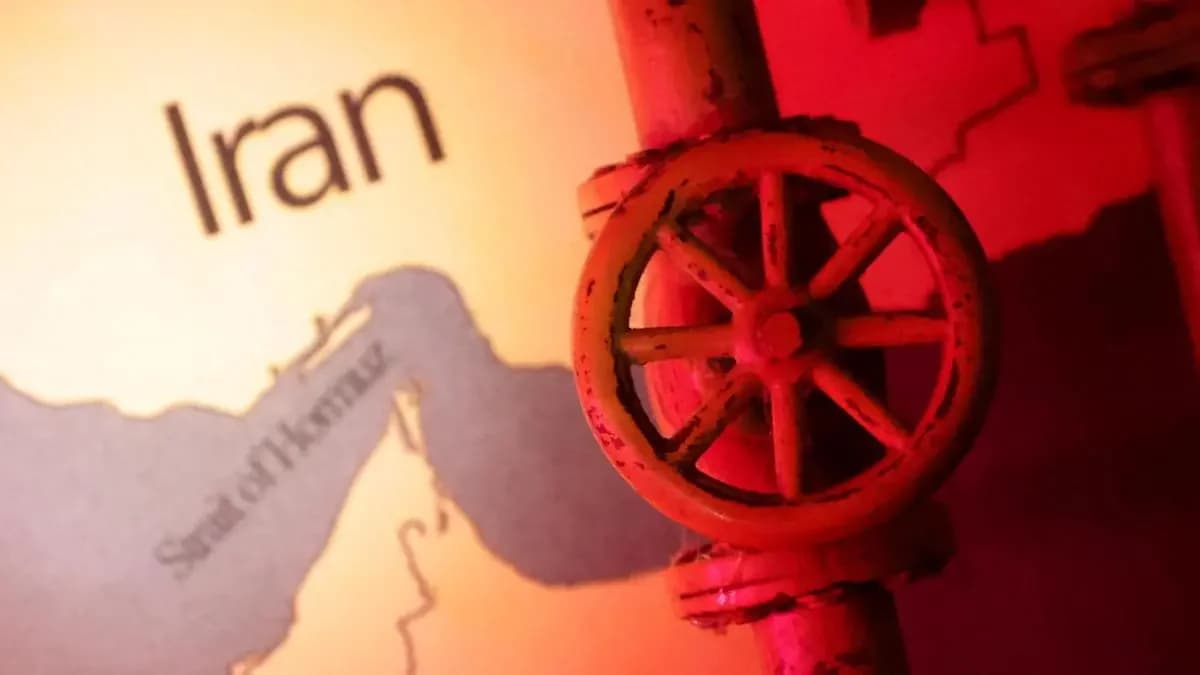
Gulf oil producers are accelerating plans to bypass the Strait of Hormuz as Iran's control over the strategic waterway continues to disrupt global oil flows. According to reports from The Times of India, before the war in Iran, roughly 15 million barrels of Persian Gulf oil were shipped daily through the strait. Within a few years, much of that oil could bypass the strait as countries across the Gulf plan to spend billions of dollars on pipeline infrastructure. The urgency has grown as the chokehold on the crucial strait continues and oil prices remain elevated, with Gulf producers increasingly seeing alternative routes as essential to protecting exports despite the prospect of longer shipping routes and higher transport costs.
The existing alternative routes are already operating near full capacity. As reported by The Times of India, the Saudi East-West pipeline carries oil from Abqaiq to Yanbu on the Red Sea coast, with spare capacity of 3.5 to 5.5 million barrels per day before the war began. The UAE has been sending more oil to Fujairah, located about 145 kilometres south of Hormuz, with combined pipeline capacity of 3.5 to 5.5 million barrels per day before the conflict started. According to the US Energy Information Agency, that spare capacity has now largely been absorbed, with both routes operating close to full capacity.

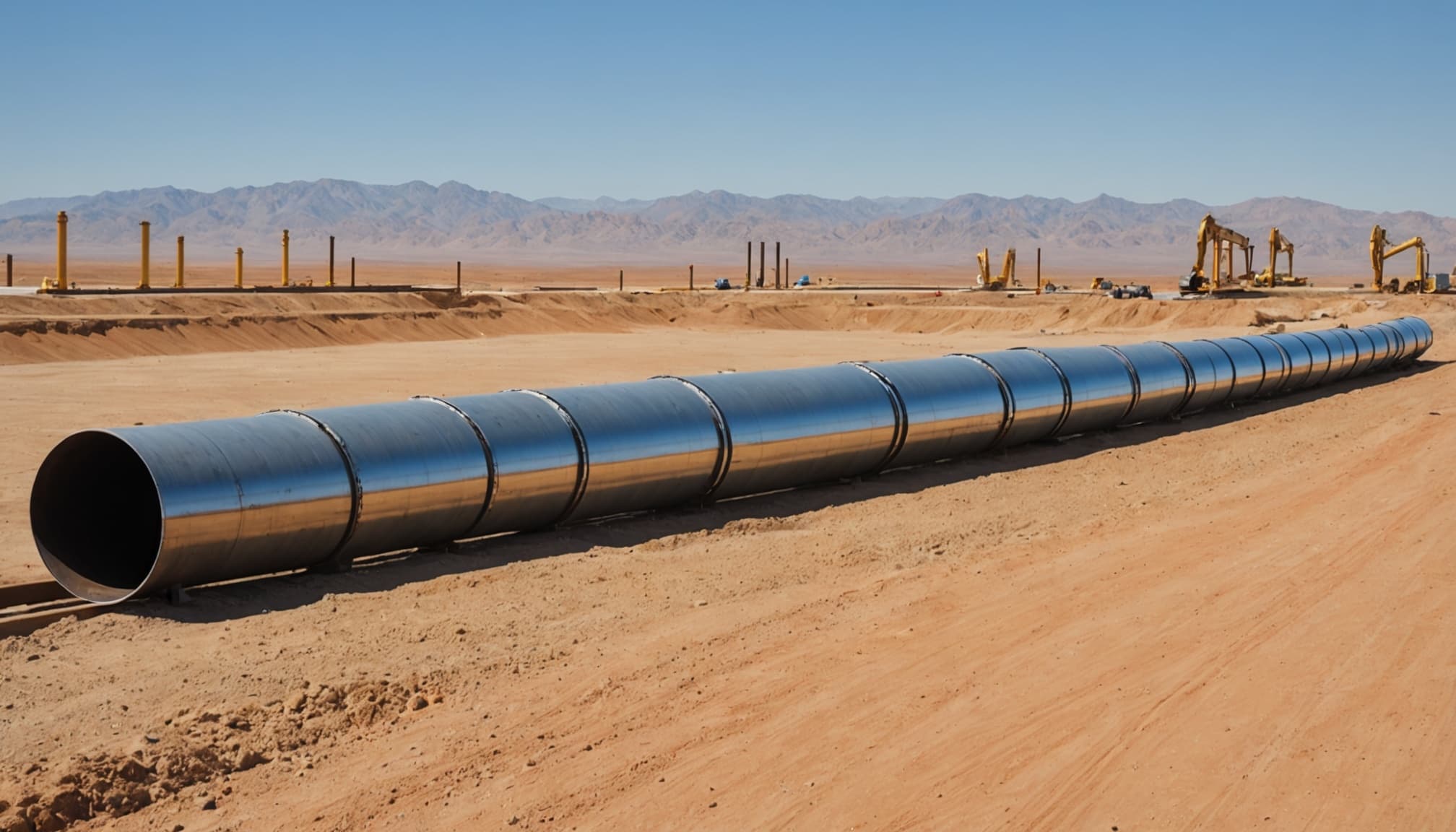
The most significant expansion involves the Abu Dhabi-Fujairah pipeline project, a $3 billion, 300-kilometre pipeline being constructed by the state-owned oil company. According to The Times of India, this pipeline aims to increase oil supplies to Fujairah by more than 1.2 million barrels per day and is expected to be completed in mid-2027, though Kpler analysts suggest the ambitious timeline has only become feasible against the backdrop of the Strait of Hormuz blockade. The project is officially targeted for completion in early 2027, though Fujairah's port infrastructure also needs to be expanded to handle increased capacity.
Iraq is pursuing multiple pipeline projects to reduce its heavy dependence on Hormuz, which provides 90% of its oil revenues. As reported by The Times of India, the government is working with US companies on pipeline proposals that would transport crude from Basra to the Turkish Mediterranean port of Ceyhan, with a branch extending to Syria's Baniyas port. The proposed system would allow up to 2 million barrels of oil a day to reach the terminal, which the US state department has described as "a critical energy corridor." Iraqi officials are also discussing the long-planned Basra-Aqaba pipeline with Jordan, which would allow exports to move through the Red Sea or the Suez Canal, though these projects face longer implementation timelines.
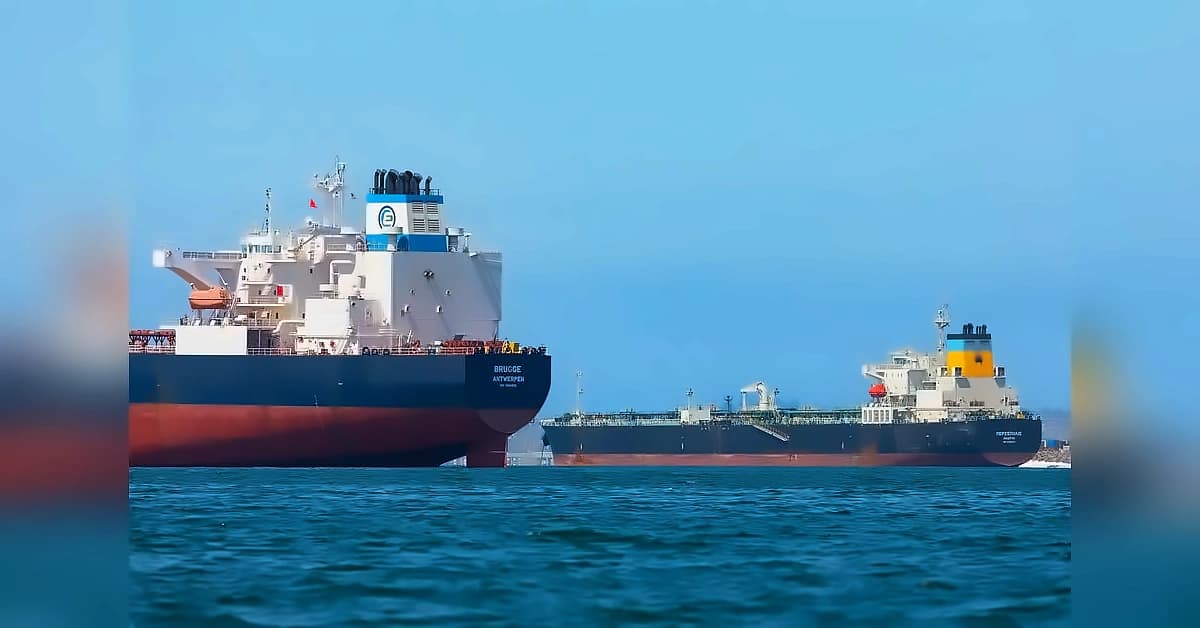
According to Goldman Sachs analysts cited by The Times of India, the new bypass pipelines could carry 3.8 million barrels per day by end-2026 and 7.3 million barrels per day by end-2028. That would shield around 60% of the Gulf's pre-war oil exports of 23 million barrels a day from any disruption in the Strait of Hormuz. However, the new routes face significant challenges including longer, more expensive transportation paths and vulnerability to attacks by Iran-backed groups. Pipelines carrying crude to the Mediterranean move oil away from Asian markets, meaning tankers must travel around the southern tip of Africa to reach final destinations, while supplies routed to Saudi Arabia's Red Sea coast remain exposed to attacks by Houthi rebels who have previously disrupted shipping at the Bab el-Mandeb Strait.