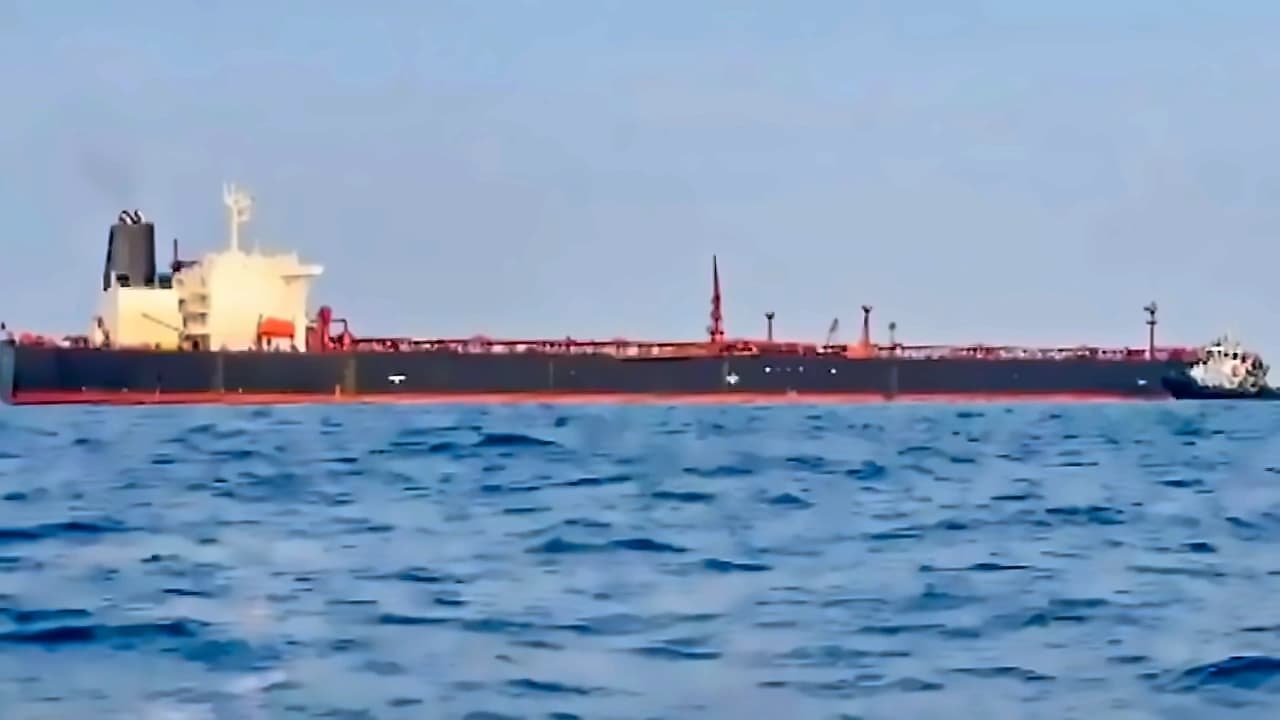
India's crude oil imports from Russia may reach a new record high of 3 million barrels per day if shipping disruptions through the Strait of Hormuz and Red Sea continue, according to Kpler analysis. As reported by The Times of India, Sumit Ritolia, Lead analyst at Kpler, stated that Russian crude remains India's strongest supply hedge, with imports potentially rising toward or above 3.0 mbd if market conditions and Russian export availability permit.
India's reliance on Russian crude has reached exceptionally high levels, with July imports running at around 2.6 million barrels per day, accounting for roughly 55% of total crude imports. According to Kpler analysis, this has fundamentally shifted India's energy security priorities, making the uninterrupted operation of Russian export infrastructure, particularly Black Sea terminals such as Novorossiysk, equally critical for India's crude supply. Saudi Arabia continues to be a key supplier but its crude exports to India have averaged only about 400,000 barrels per day in recent months.
If shipping through the Red Sea remains unaffected, Indian refiners will continue to have an important supply cushion through Saudi Arabia's East-West (Yanbu) pipeline, currently supplying around 300,000-500,000 barrels per day of crude. However, if security situation worsens and Red Sea supplies are disrupted during August, refiners will have to replace those volumes with crude sourced from elsewhere, with the most likely replacement being Russian crude. As reported by Kpler, India's Russian crude imports have increased sharply from around 1.0 mbd to approximately 2.6 mbd over recent months, with July imports also tracking near record highs.
The key uncertainty is whether Russia can continue supplying higher export volumes, given ongoing Ukrainian attacks on parts of its upstream and downstream energy infrastructure. Russian crude exports in July were about 400,000 barrels per day lower compared with the previous month. Unlike Red Sea shipments, where cargoes can be rerouted through alternative routes, alternatives for crude exported through the Black Sea are far more limited. Novorossiysk serves as a crucial export hub not only for Russian Urals crude bound for India but also for CPC crude from Kazakhstan destined for Europe.
India's crude sourcing has become significantly more diversified in recent years, with higher imports from Russia, Venezuela, Africa and suppliers in the Atlantic Basin. This broader import basket provides greater flexibility and lowers the risk of any major supply disruption. As reported by Kpler, any disruption to Saudi crude shipments through the Red Sea would likely have a much smaller impact on India's overall oil supply than a prolonged interruption to Russian exports from the Black Sea. The analysis suggests that developments around the Black Sea have become one of the most important geopolitical risks for Indian refiners, carrying greater near-term significance than disruptions to Saudi Red Sea exports.