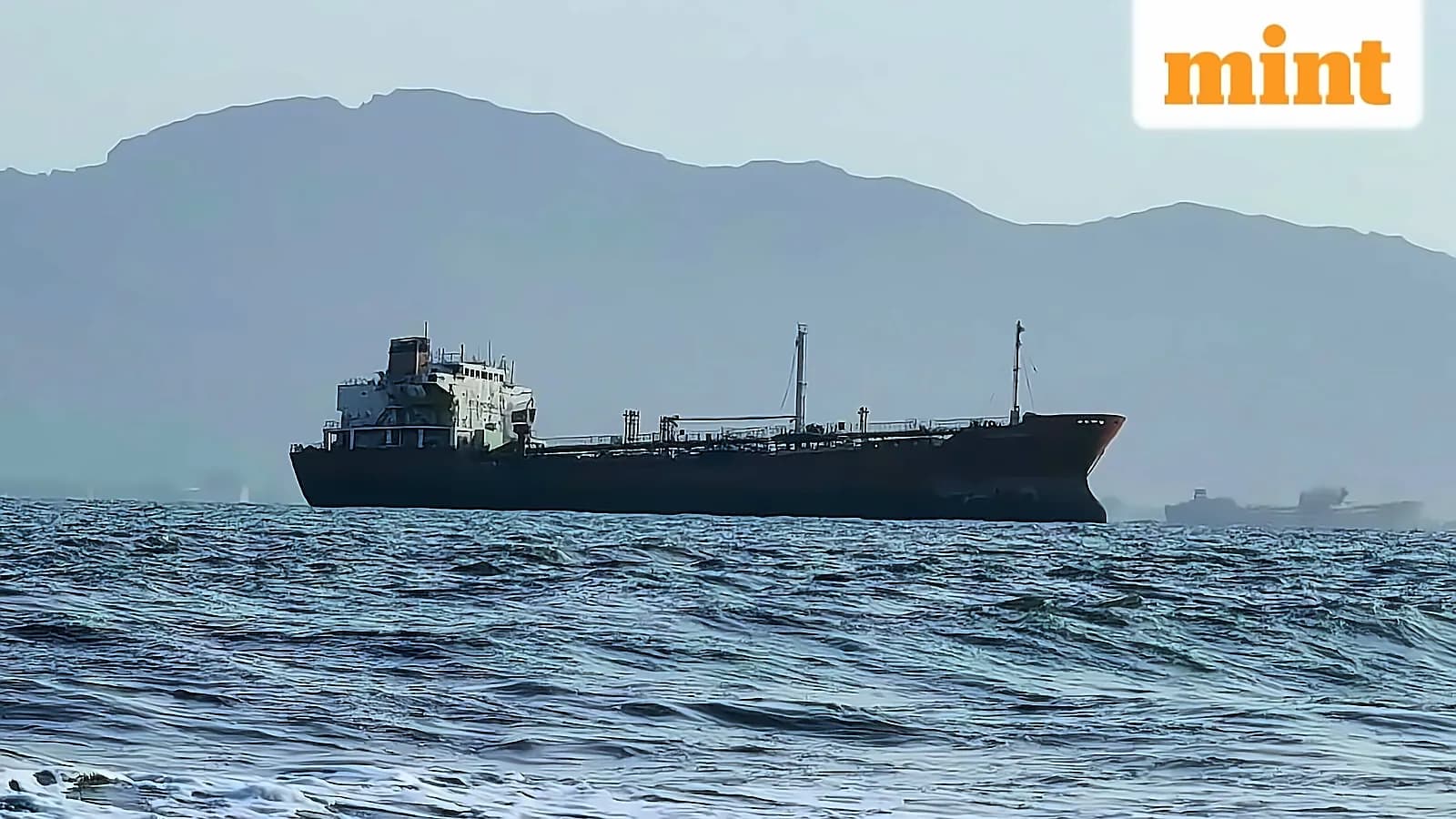
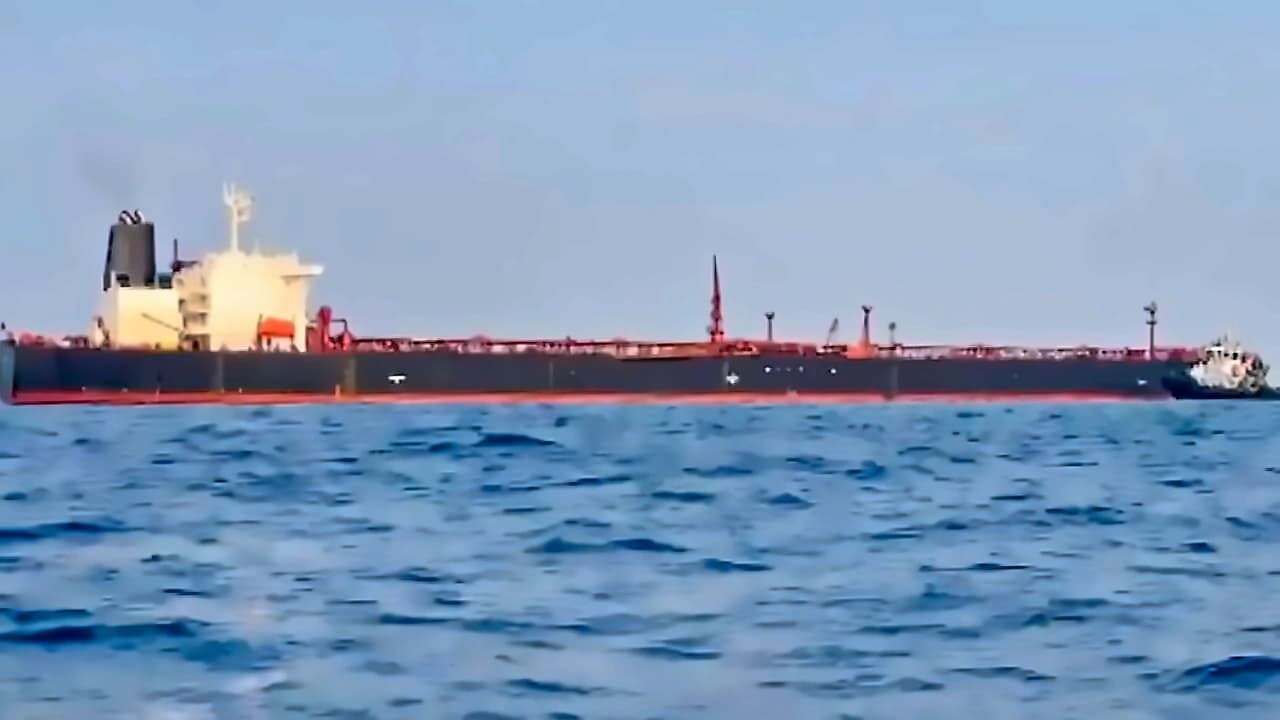
Oil prices climbed more than 2% on Tuesday following fresh hostilities between the U.S. and Iran, coupled with Yemen's Houthi threats of a naval blockade on Saudi Arabia. Brent crude futures increased by $1.89 to $91.11 a barrel, while the U.S. West Texas Intermediate contract for September rose by $2 to $84.48. Heightened concerns over supply disruptions through the Strait of Hormuz and Red Sea are supporting higher prices. U.S. military strikes on Iran and retaliatory Iranian attacks have led to further instability in the region, with potential talks and ceasefire proposals emerging as attempts to calm tensions. Meanwhile, disruptions in Saudi oil exports continue amid threats to global energy markets.
India significantly altered its crude oil procurement strategy during the April-June quarter, increasing purchases from Russia and Latin American suppliers while reducing Middle East imports. According to data from industry sources quoted in a Reuters report, crude imports from the Middle East fell about 27% to 1.55 million barrels per day during the first quarter of the current financial year. In contrast, imports from the Commonwealth of Independent States (CIS), including Russia, increased 8.3% to 2.26 million barrels per day, demonstrating India's strategic pivot to alternative supply routes.
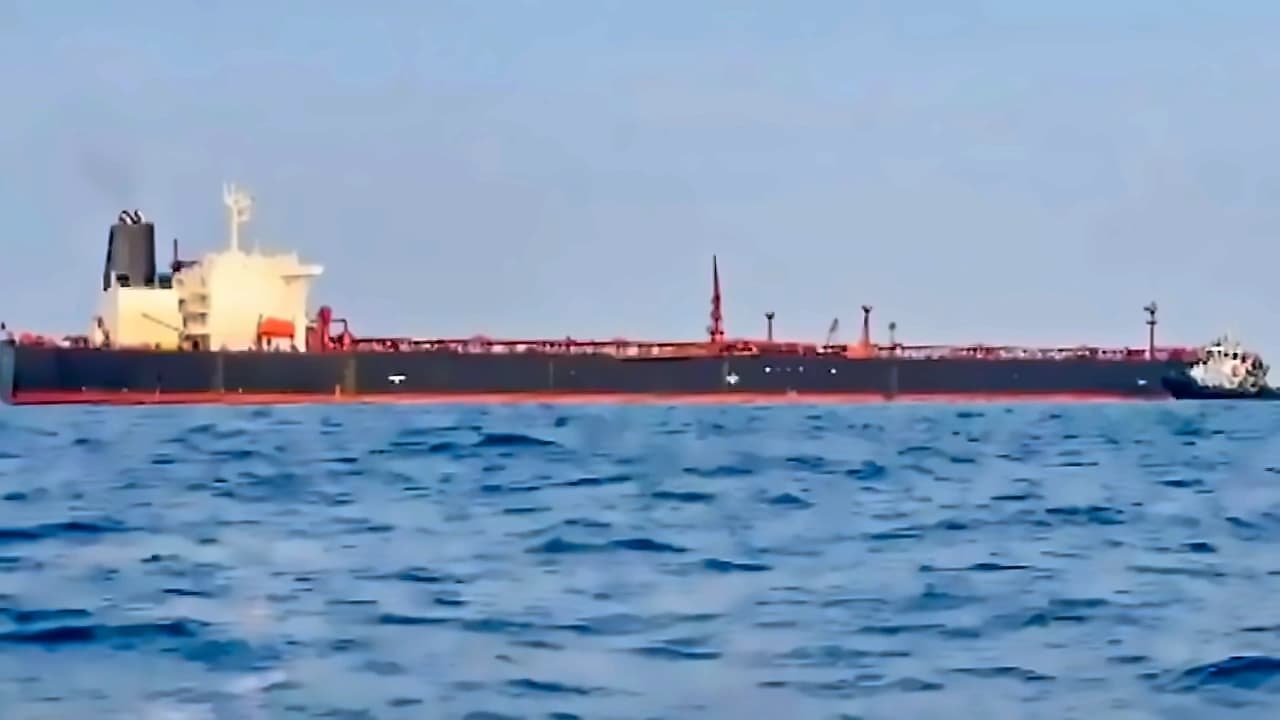
India's reliance on Russian crude oil reached unprecedented levels during the quarter, with imports climbing to an all-time high of 2.64 million barrels per day in May, marking an increase of nearly 37.4% over the previous month. Russian supplies accounted for about half of the country's total crude imports of 5.24 million barrels per day during May, as reported by Reuters. The Russia's share in India's overall crude import basket rose to nearly 41% during the quarter, up from around 38% in the corresponding period last year, while the Middle East's share declined sharply to 31% from 41.4%.
The Red Sea crisis has prompted Indian oil marketing companies (OMCs) to activate contingency plans as the crisis threatens crude supply routes, according to sources told NDTV Profit. State-run refiners are evaluating alternative shipping routes to reduce reliance on vulnerable passages, with the Suez Canal route via Europe among the options being actively considered. The move follows the closure of the Bab el-Mandeb Strait, which has disrupted supplies from Saudi Arabia, with Saudi Arabia being India's third-largest crude supplier in June. Sources said refiners are assessing freight costs and transit times before making fresh crude purchases as they weigh alternative routes.
Bharat Petroleum Corp. Ltd. (BPCL) has secured crude supplies until August and has started sourcing cargoes for September, as reported by NDTV Profit. However, the company cautioned that supplies could be affected if disruptions persist, adding that it is difficult to predict how the situation will evolve beyond September. BPCL also noted that discounts on Russian crude have largely disappeared amid recent market developments, with the company expecting greater clarity on September pricing and discount trends over the next week.
The sources indicated that one possible alternative would be to source Saudi crude through the longer route around the Cape of Good Hope, although that would significantly increase transportation costs. They added that Indian refiners continue to rely on Russian crude supplied by non-sanctioned entities, even after Washington withdrew the temporary waiver relating to sanctions on Russian oil. The strategic pivot reflects India's efforts to maintain oil supply security amid ongoing geopolitical tensions in the Middle East region. An effective blockade would prevent oil flows to Asia moving south via the Bab el-Mandeb Strait, forcing vessels to take the much longer route through the Suez Canal and go around Africa, clearly increasing insurance costs and voyage times.