India faces significant challenges as U.S. President Donald Trump signed the 'Lindsey O. Graham Sanctioning Russia and Iran Act of 2026' into law on September 18, authorizing potential 100% tariffs on countries importing Russian crude oil and natural gas. As reported by The Times of India, India is the second-largest importer of Russian crude oil, behind China, with imports from Russia accounting for nearly half of all Indian crude purchases in recent months. India responded to the U.S. bill, expressing concerns about the implications of potential tariffs on Russian oil purchases to various U.S. officials, stating these concerns are 'for not just the bilateral relationship but also the international energy market.' The potential tariffs could significantly impact trade relations just as New Delhi and Washington have been negotiating a bilateral trade deal for months. According to India's Ministry of External Affairs, the country remains committed to securing energy supplies for its 1.4 billion people and will continue to diversify its sources based on changing market conditions.
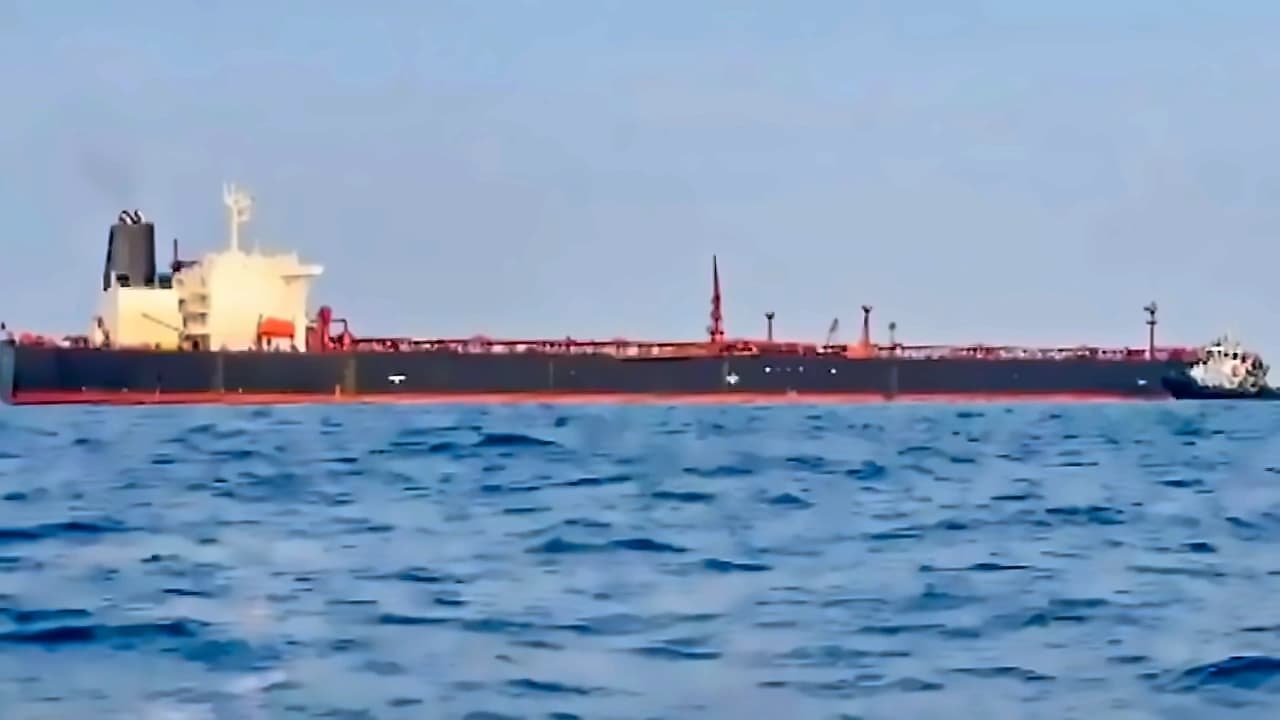
India's Gulf suppliers dramatically increased oil shipments in September as they found innovative ways to navigate Strait of Hormuz risks. Iraq's shipments rose 238.2% over August to more than 551,000 barrels per day, while Saudi Arabia's climbed 56.2% to nearly 543,000 bpd and Kuwait's more than doubled, up 104.4%. Qatar, which sent nothing in August, delivered around 110,000 bpd in September. Together, the five suppliers sent roughly 2 million bpd, a 36.7% share of India's crude imports, up from 26% in August, though still well below the 56.3% share recorded in February before the West Asia war began. As reported by Kpler, this surge owes much to ship-to-ship transfers, where shuttle vessels carry crude part of the way and hand it to another ship waiting in safer waters, with the supplier bearing the Hormuz leg risk previously borne by buyers.

Russian crude, India's largest source, fell almost 9% to 1.9 million bpd in September from 2.1 million bpd in August, marking a five-month low and well short of July's record 2.8 million bpd. Despite this decline, Russia still supplied over 35% of India's imports, though falling short of the 3 million bpd and 56.3% share recorded in February. According to Kpler data, the decline stems from stiffer competition from Chinese refiners, who have turned to Russian barrels as Iranian volumes shrink, along with Ukrainian strikes on Russian energy infrastructure and Moscow's push to keep more crude for its own refineries. The situation reflects the broader challenge of maintaining Russian oil flows amid evolving geopolitical risks and changing global refining dynamics.
India has achieved substantial economic benefits from Russian crude imports, with industry estimates putting savings at around $12 billion between April 2022 and June 2025. As reported by The Times of India, the savings breakdown shows $4.9 billion in fiscal 2023, $5.4 billion in fiscal 2024, $1.5 billion in fiscal 2025, and $840 million between April-June 2025. The relationship remains substantial, with Russian crude of about 2.1 million barrels per day delivered in August 2026, forming close to 45% of India's total import mix, down from over 50% in the previous month. However, the economic advantage has been declining, with the Russian landed-price advantage falling from around $13 per barrel in fiscal 2023 to $2.30 per barrel in fiscal 2025. More recently, delivered Urals discounts to Brent have narrowed to $1-2 per barrel in late July 2026, from above $10 earlier that month.
The new U.S. law potentially changes the economics of India's Russian oil purchases, with the relevant exposure being potential damage to Indian exports entering the United States rather than a 100% surcharge on crude arriving in India. As reported by The Times of India, India sold $86.5 billion of goods to the US in fiscal 2026, and even a hypothetical 10% decline would mean around $8.7 billion in lost export sales. According to Nikhil Dubey, lead analyst for refining at Kpler, better Middle Eastern availability, together with the sanctions uncertainty, could push Indian refiners further towards Gulf crude. The situation requires India to maintain a flexible procurement portfolio, retaining Russian purchases where transactions remain economically feasible while building alternatives across the Middle East, Americas, and Africa. The recent surge in Gulf imports, combined with the decline in Russian volumes, demonstrates India's ability to adapt its procurement strategy while managing geopolitical risks and maintaining energy security for its 1.4 billion people.