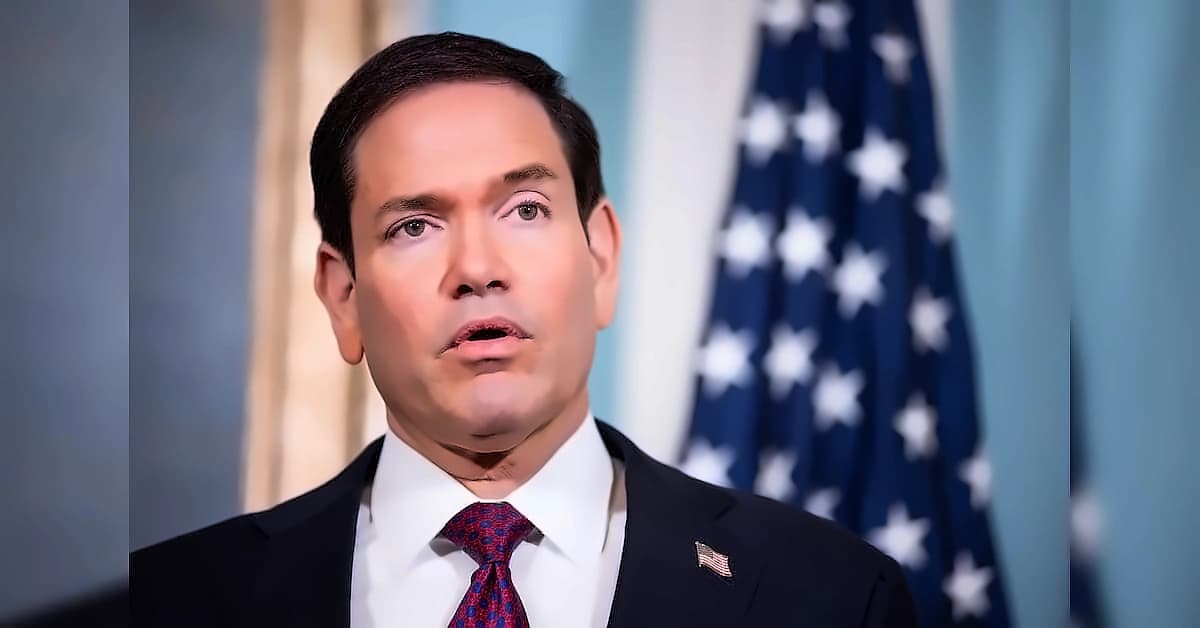
External Affairs Minister S Jaishankar met US Secretary of State Marco Rubio on the sidelines of the UN General Assembly to discuss India's concerns regarding the 'Lindsey O. Graham Sanctioning Russia and Iran Act 2026'. According to Business Standard, Jaishankar posted on X after the meeting: 'Good to meet @SecRubio of the US #UNHighLevelWeek. Reiterated India's interests and concerns with regard to SRIA (Sanctioning Russia and Iran Act). Also discussed the Gulf and Ukraine situations.' After the meeting, Rubio stated that India and the US are coordinating on key regional priorities, emphasizing their 'U.S.-India strategic partnership' and upcoming multilateral efforts. The two leaders had previously met in Manila in July and discussed priority areas including trade, tariffs, energy, defence, critical minerals, and artificial intelligence.
In its official response to the new US legislation, New Delhi stated that it will take all necessary steps to protect its economic interests and ensure energy security for the nation. As reported by Business Standard, this represents a firm commitment to maintaining India's energy security despite mounting international pressures. The 'Lindsey O. Graham Sanctioning Russia and Iran Act of 2026' authorizes President Donald Trump to impose tariffs of up to 100% on countries buying Russian oil and gas, including China and India. The law allows the Trump administration to impose tariffs within 30 days on goods from major buyers of Russian energy, with the external affairs ministry having issued a strongly worded statement after the US Congress passed the bill, stating that 'this issue has been discussed at high levels in recent months with various US interlocutors'. Rubio meanwhile 'emphasised that the United States remains well-positioned to help regional partners address their energy security challenges,' according to the State Department statement.
India, the world's third-biggest crude buyer, has relied on Russia for more than half of its imports in some months recently to help counter high prices and continued disruptions to Middle East supplies. As reported by Business Standard, Moscow has said it's willing to supply India with as much oil as it needs, while India's refiners have started leaning on the US, Brazil, Canada, Venezuela and Africa for additional and more varied supplies. According to The Hindu BusinessLine sources, New Delhi could limit Russian crude imports in the near term to 20% to 30% of India's total in order to shed its position as the top buyer of Moscow's seaborne oil. This represents a significant reduction from the current levels where Russia supplies more than 35% of total imports. However, replacing Russia's cargoes will be challenging given the volume is far larger than alternative suppliers like Venezuela or Iran.
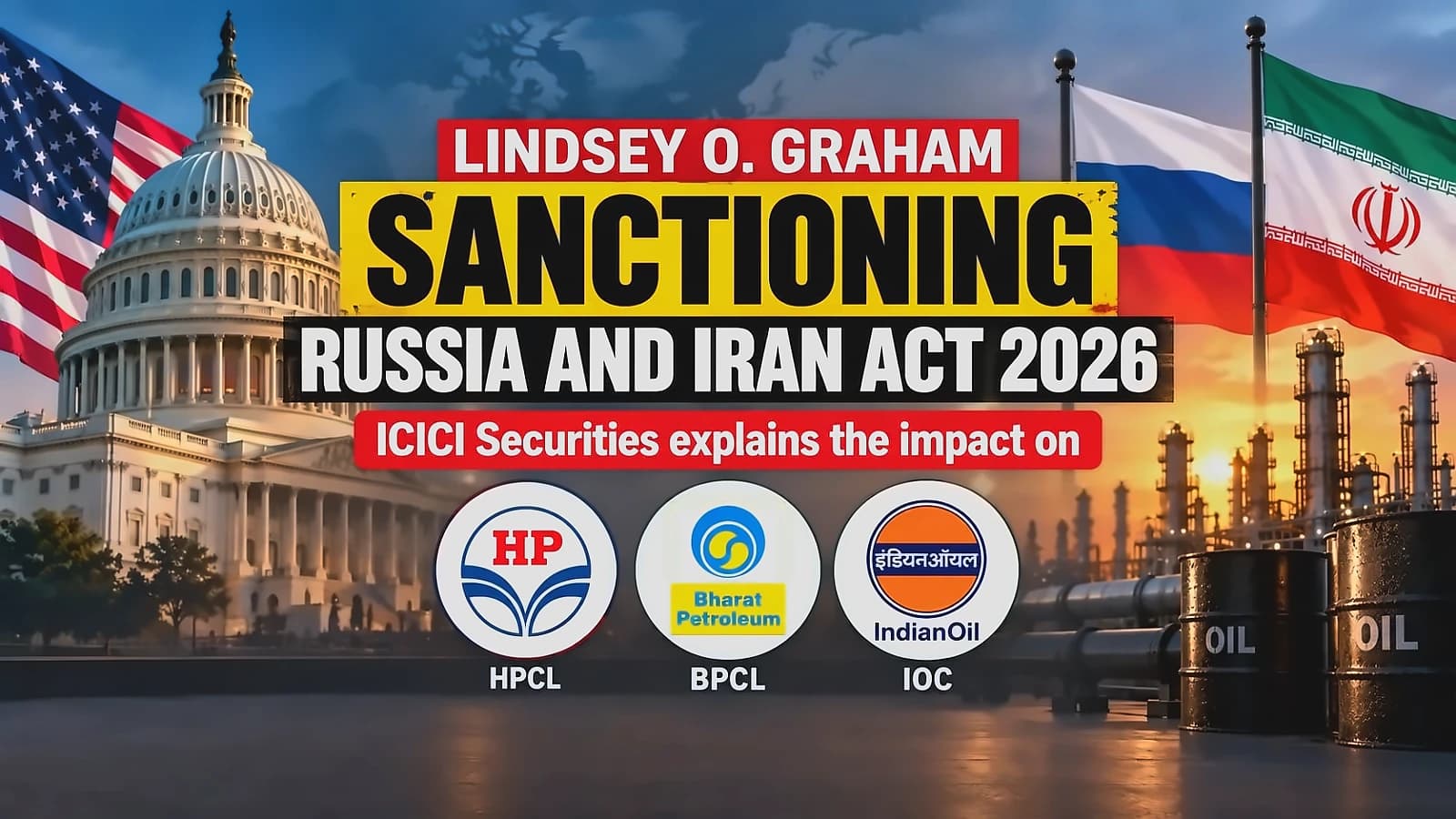
Russian Urals delivered to India cost about $133 a barrel at the end of last week, according to Argus Media, while West Asian grades such as Oman and Murban were several dollars more expensive. With Persian Gulf exporters struggling to restore flows through the Strait of Hormuz, global crude markets are squeezed, making alternative sourcing difficult. The dispute underscores the balance India seeks to maintain between strategic partnerships and national economic interests. India and the US discussed bilateral relations and New Delhi's concerns regarding the Sanctioning Russia and Iran Act during the recent diplomatic engagement, with both sides committed to 'coordinating on key regional priorities and upcoming multilateral efforts'.
The US now accounts for roughly a fifth of India's exports, making it by far New Delhi's biggest market. However, domestic anger in India is building over the sanctions law and threatens to throw up another hurdle to a broader trade agreement between New Delhi and Washington that remains in limbo. As reported by Business Standard, the US-India ties had come under strain earlier in Trump's current term over tariff tensions and the president's claims that he helped mediate an end to fighting between India and Pakistan last year, an account New Delhi has repeatedly disputed. The recent diplomatic engagement between Jaishankar and Rubio suggests both countries are working to 'build on the U.S.-India strategic partnership' while addressing mutual concerns about energy security and trade relations, with Rubio and Jaishankar 'reaffirming the important role the U.S.-India strategic partnership continues to play in promoting a safe, secure, and prosperous Indo-Pacific'.