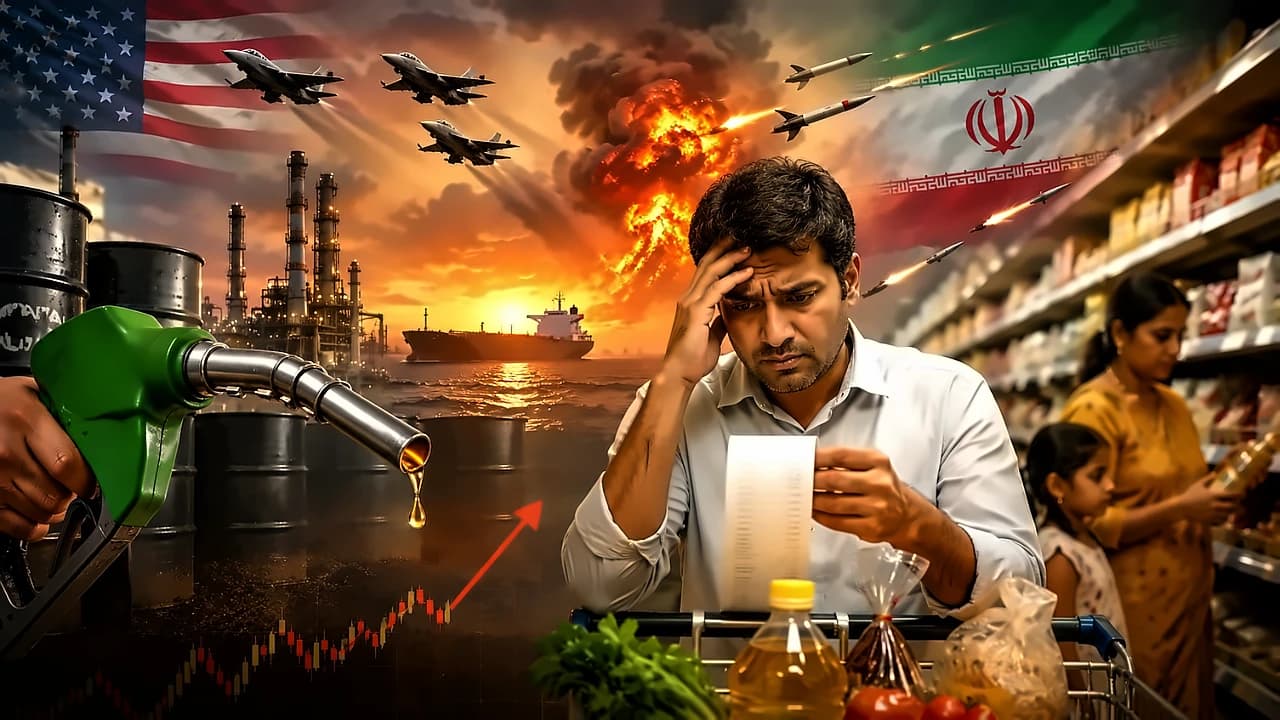
India's merchandise exports have been severely impacted by the Iran war, falling 7% to $38.9 billion in March compared to $42.1 billion a year earlier, according to commerce ministry data. The decline was particularly sharp across key markets, with exports to the UAE, India's second-largest export destination, plunging nearly 62% year-on-year, while shipments to the US, India's biggest market, dropped 21%. As per Nomura, there has been broad-based weakness across key export categories including agricultural goods, textiles, chemicals, electronic goods, and gems and jewellery. The Federation of Indian Export Organizations warns that India is unlikely to meet its target of achieving $2 trillion in exports by 2030, pushing the timeline back by about two years. Ajay Sahai, director-general and CEO of the Federation, noted that the Iran war has become a fresh source of uncertainty for exporters, adding to the impact of 50% U.S. tariffs that were in force from August last year until earlier this year.
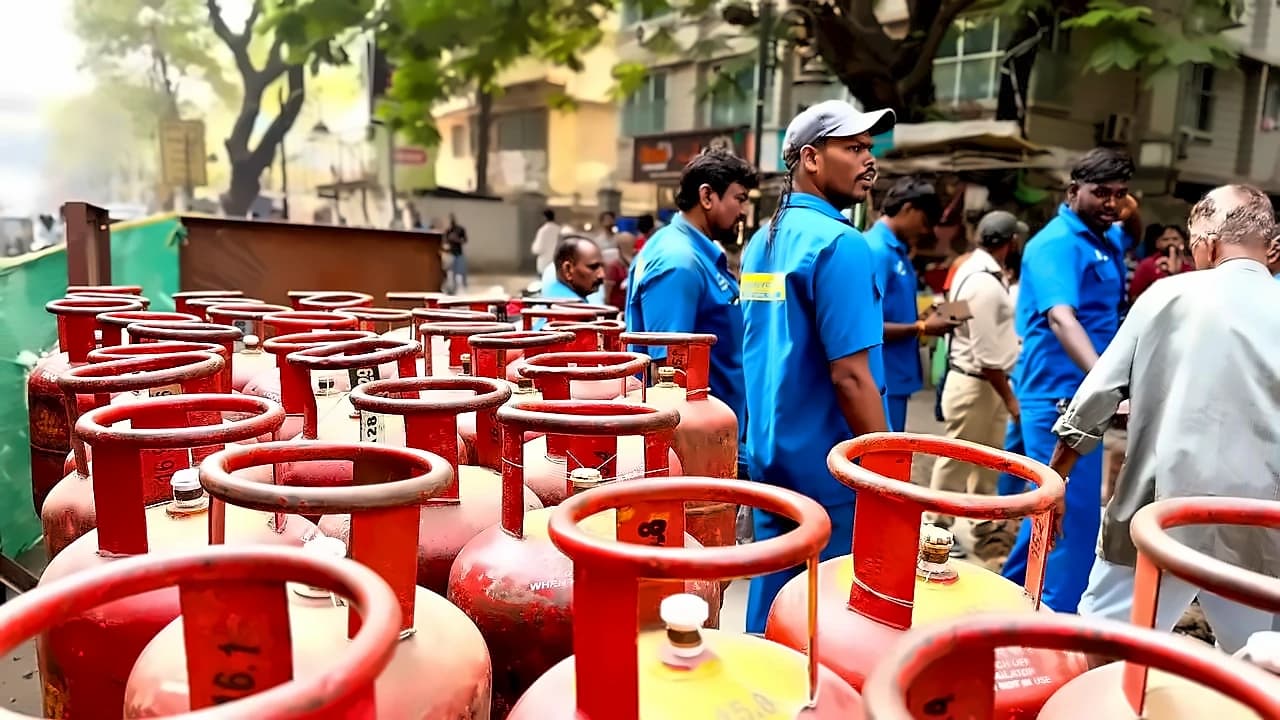
India faces a prolonged LPG supply crisis with restoration of global supply chains expected to take three to four years amid ongoing geopolitical tensions and uncertainty over production damage, according to a senior government official cited in Moneycontrol. As per the official, it remains unclear whether key LPG production facilities in West Asia have been temporarily shut or have suffered permanent damage, making recovery timelines difficult to predict. The government is prioritising continuity of household LPG supply while exploring measures such as diversifying import sources, rerouting shipments, boosting domestic production, and managing consumption patterns. Officials indicated that contingency strategies used during the COVID-19 pandemic may be redeployed to cushion the impact. Even if there is a settlement in the Middle East in April, it will likely take at least two months to fully recover from the impact of the conflict, according to industry experts.
India's Liquified Petroleum Gas (LPG) imports have dropped sharply this month, falling to nearly half of February levels and extending the decline seen in March, according to shipping data reported by The Times of India. The decline comes as ongoing disruptions to energy flows from the Gulf linked to the US-Iran war continue to unsettle global oil and gas markets. A ceasefire in place for about a week has done little to improve the availability of cooking gas, highlighting the persistent supply constraints. As per Moneycontrol, the government is focusing on ensuring households always have what they need while looking into other ways to get supplies to avoid shortages. India's benchmark indexes, Nifty 50 and the BSE Sensex, were down 0.3% on Thursday following the export data release, reflecting market concerns about the economic impact.
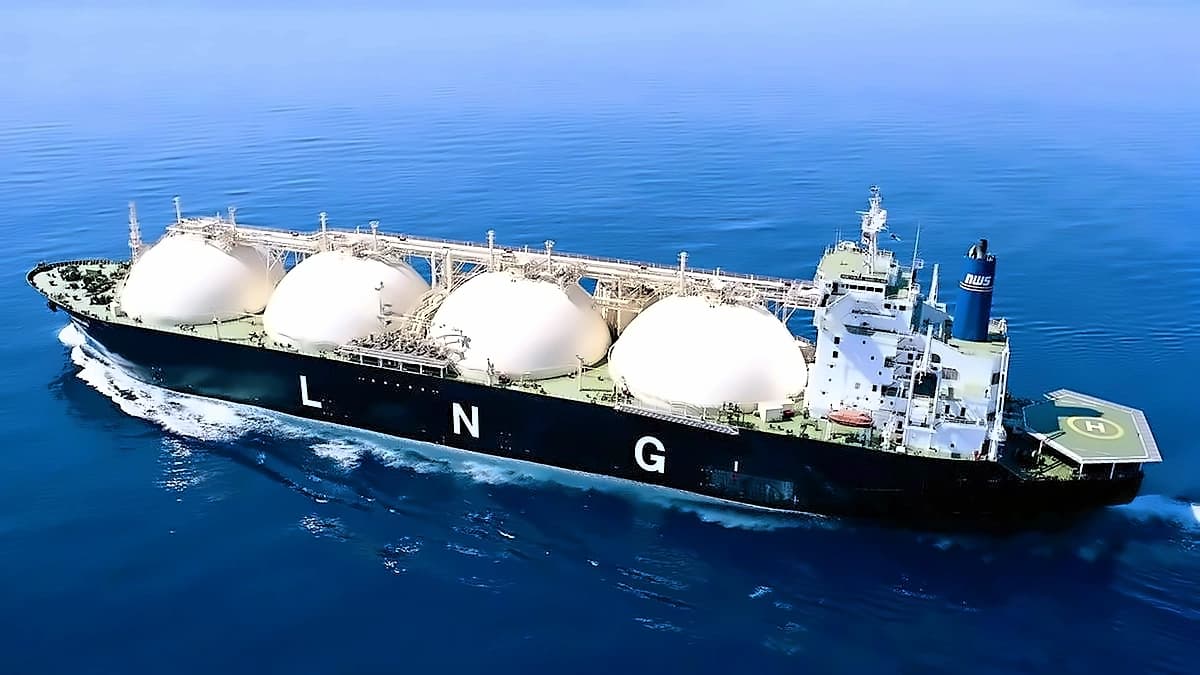
The United States has emerged as India's largest LPG supplier so far this month, accounting for 142,000 tonnes, or 27 percent of total imports of 523,000 tonnes, as reported by The Times of India. The United Arab Emirates supplied 141,000 tonnes, followed by Saudi Arabia with 92,000 tonnes, Qatar with 82,000 tonnes, and Kuwait with 11,000 tonnes. Notably, imports from Iran rose to 43,000 tonnes from 11,000 tonnes in March, while Argentina supplied an uncommon 10,000 tonnes. According to Moneycontrol, before the war started, almost 90% of these supplies went through the Strait of Hormuz, but as of March 24, the share of Gulf imports had dropped to 55%, showing both disruption and diversification efforts. The Indian-flagged tanker Jag Vasant, carrying LPG after transiting through the Strait of Hormuz, was recently seen docked at an offloading terminal along the coast in Mumbai, highlighting the ongoing supply challenges.
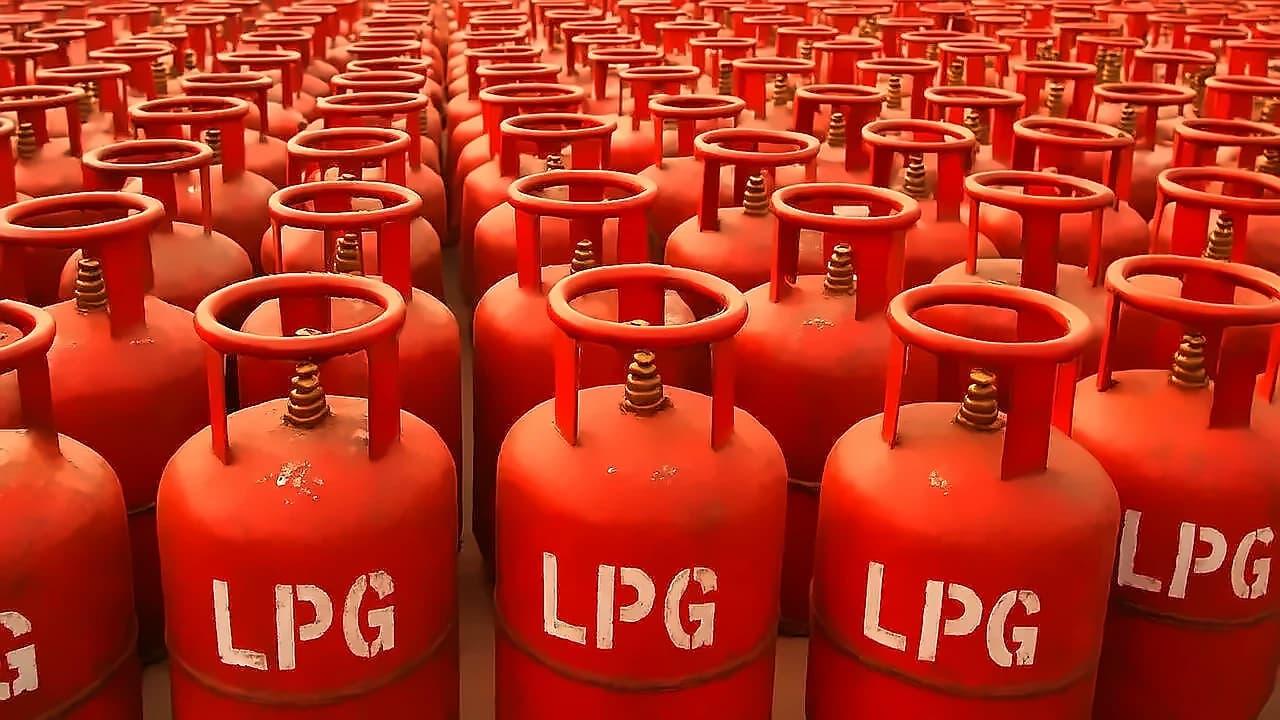
The LPG supply crisis has led to significant price increases, with 14.2 kg LPG cylinders for home use rising by ₹60 since the middle of March, and commercial cylinders increasing by ₹115, as reported by Moneycontrol. India's high import dependence of 60% exposes it to supply shocks and price volatility, with annual LPG demand of about 33 million tonnes and storage capacity covering only about 15 days of consumption as of mid-March. According to Moneycontrol, effective supply disruption could remain at 40-50% despite rerouting and alternative sourcing efforts. The disruption is already translating into higher costs, with domestic LPG cylinder prices rising in recent weeks while commercial cylinder rates have also increased, putting pressure on businesses such as restaurants, hotels, and small enterprises. Indian exporters now face a "troika of headwinds," as the Iran war drives cost inflation, sharply raises shipping and insurance costs, and weakens global demand, according to Nomura.
LPG imports averaged around 37,000 tonnes per day between April 1 and 14, largely unchanged from March but significantly lower than February's 73,000 tonnes per day, as reported by The Times of India. Industry executives noted that most global LPG volumes are tied up in long-term contracts, with only about 10 percent available in the spot market, leaving limited room to secure additional cargoes even at higher prices. According to Nikhil Dubey, senior research analyst at Kpler, LPG is where the real tightness is, with supply expected to remain constrained and very few alternatives available in the market outside Middle East Gulf producers. As per Moneycontrol, restoration of disrupted global LPG supply chains could take three to four years because of the uncertainties surrounding its production. At $12.2 billion, this is the lowest monthly oil import bill in 13 months, according to Citi, with the impact of higher crude prices appearing in trade data with a one-month lag.