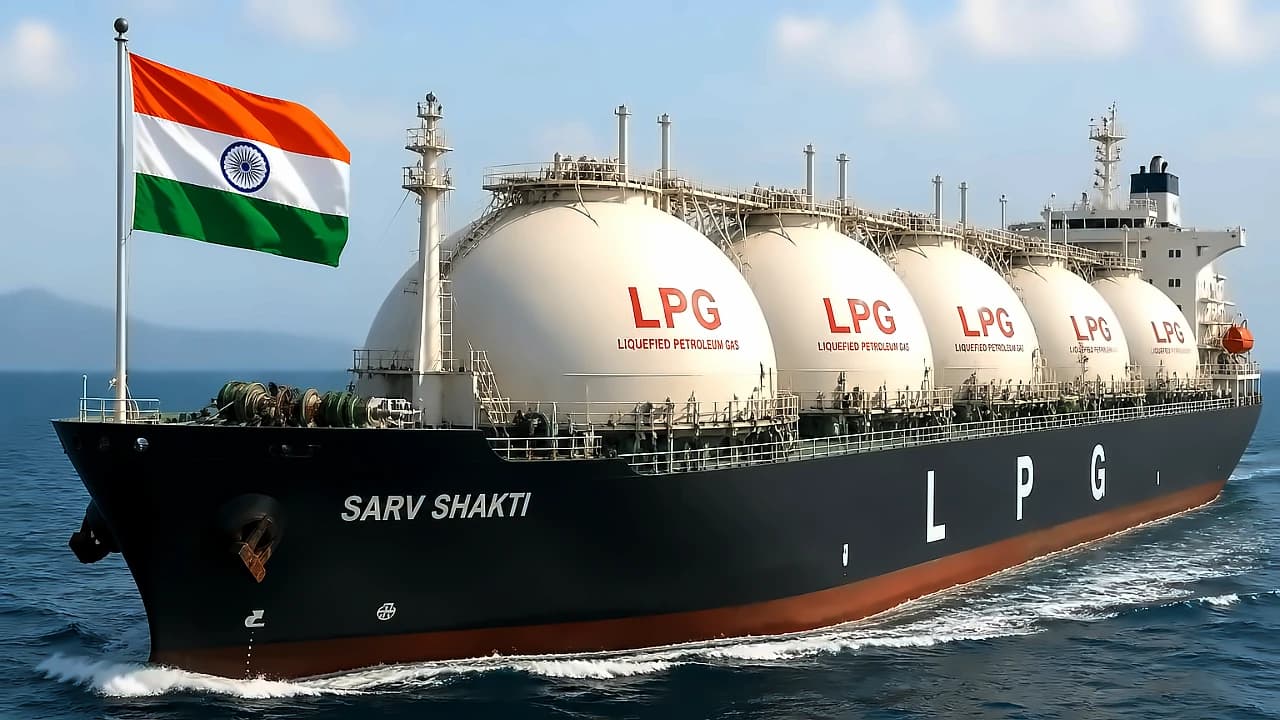
India's cooking gas LPG consumption fell by 13% in March 2026 to 2.379 million tonnes compared to 2.729 million tonnes in the same period last year, according to the latest official data from the Oil Ministry's Petroleum Planning and Analysis Cell (PPAC). The steep decline was primarily attributed to supply disruptions linked to the West Asia conflict, with LPG cylinders sold to domestic households falling 8.1% to 2.219 million tonnes while non-domestic users saw a dramatic 48% decline. Bulk LPG sales dropped by a massive 75.5% as the government prioritized household cooking gas availability over commercial establishments like hotels and industries. The data from the Petroleum Planning and Analysis Cell (PPAC) contrasts with government claims that household demand was being fully met.
India imports approximately 60% of its LPG requirements, much of it via the Strait of Hormuz, which was effectively shut following US and Israeli strikes on Iran and Tehran's retaliation. With supplies from Saudi Arabia and the United Arab Emirates disrupted, the government implemented emergency measures to safeguard household cooking gas availability. To offset the shortfall, the government directed refineries to divert feedstock from petrochemical production to boost LPG output, leading to domestic LPG production rising to 1.4 million tonnes in March from 1.1 million tonnes a year back. This push resulted in LPG production for the full 2025-26 fiscal rising to 13.1 million tonnes from 12.8 million tonnes in the previous two financial years. Despite the March dip, overall LPG consumption for the fiscal year rose 6% to 33.212 million tonnes, reflecting steady long-term growth driven by cleaner fuel adoption.
Despite the LPG crisis, other fuel segments showed resilience with petrol sales rising 7.6% to 3.78 million tonnes and diesel consumption increasing 8.1% to 8.727 million tonnes in March. For the full fiscal year ending March 2026, petrol consumption grew 6.5% to 42.586 million tonnes while diesel consumption was higher by 3.6% to 94.705 million tonnes. However, jet fuel or ATF consumption witnessed almost flat growth at 807,000 tonnes due to war-related airspace closures and flight suspensions. Industrial fuels faced challenges with naphtha consumption declining 9.9% and fuel oil posting a 1.4% loss, while bitumen consumption saw a 3% rise to 8.84 million tonnes in 2025-26, indicating continued activity in road construction.
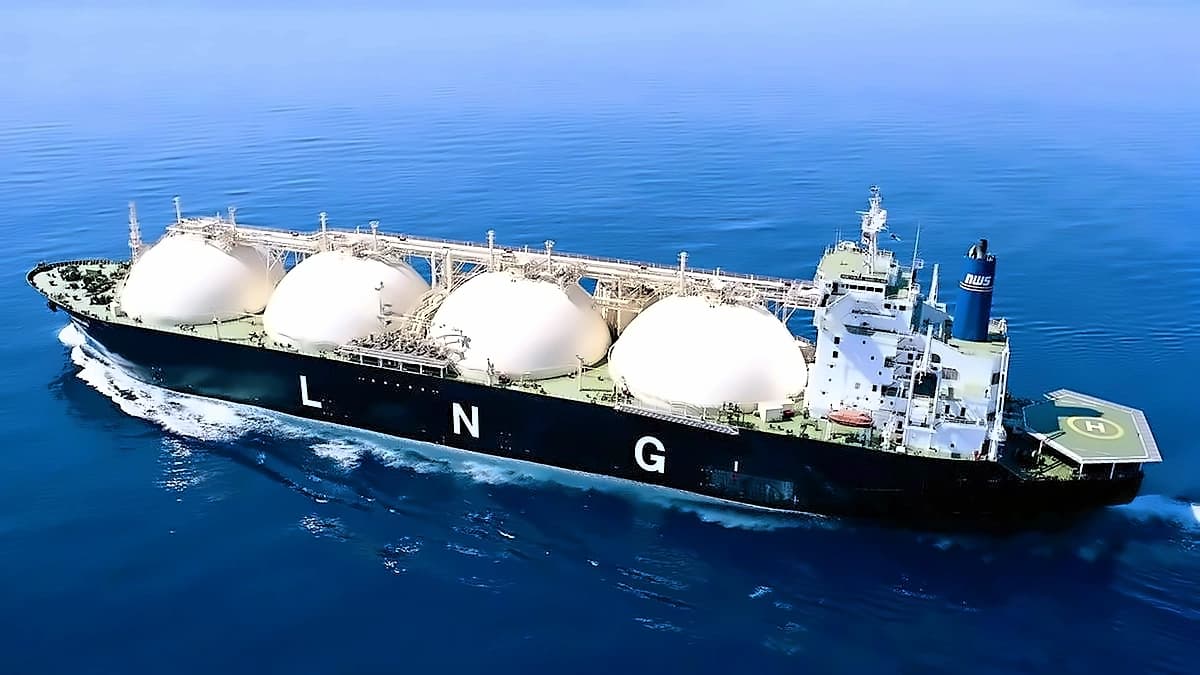
The Middle East conflict has triggered a global energy emergency with costs potentially exceeding $58 billion in infrastructure damage, according to Rystad Energy. The crisis has spread beyond oil to affect rare earth elements, which have been dubbed the 'new oil' due to supply chain vulnerabilities. Multiple nations are implementing emergency measures, with Australia experiencing fuel shortages at over 500 stations and South Korea raising energy alert levels amid supply disruptions. European nations are facing their worst energy crisis since World War II, with Germany's wholesale electricity prices soaring 19% from February to March and France unveiling $80 million emergency shield against soaring energy prices. The International Energy Agency warns that disruptions could persist even if the conflict ends, with 17% of Qatar's LNG export capacity offline for up to five years.
According to IEEFA analysis, neither China nor India relies on gas or LNG for a significant share of their power generation, with China maintaining gas at 3% of electricity mix over the last decade and India declining to below 1.5%. The power sector in both countries has remained relatively insulated from LNG price shocks, with India meeting peak electricity demand challenges through alternative measures. Despite a fragile two-week ceasefire between the US and Iran announced on April 7th, negotiations for a longer-term truce failed on April 12th, sending oil and gas prices soaring once again. The crisis has prompted European nations to implement energy-saving measures, with Egypt closing shops and restaurants at 9:00 PM and Greece launching fuel subsidies to address the war-driven spike in petrol costs.