Iran has issued fresh warnings that could expand its disruption efforts far beyond the Strait of Hormuz, raising concerns over the movement of critical regional exports. As per The Times of India, Iran's Islamic Revolutionary Guard Corps (IRGC) stated it could close 'all other export corridors that benefit the US and its allies', according to Iranian media. The IRGC warned through Iran's state-run IRNA news agency: 'Regional energy exports are either shared by all, or denied to all'. This escalation comes after Iran closed the Strait of Hormuz and the US reimposed a naval blockade on Iranian ports, with the IRGC stating the Strait would remain closed until what it described as 'the end of America's evils'. The latest threats follow US military strikes that targeted dozens of military facilities near the Strait of Hormuz and along Iran's coast during a seven-hour operation, with the US military reporting Iran had attacked seven commercial ships over the past week, leaving nearly a dozen crew members dead, missing or injured.
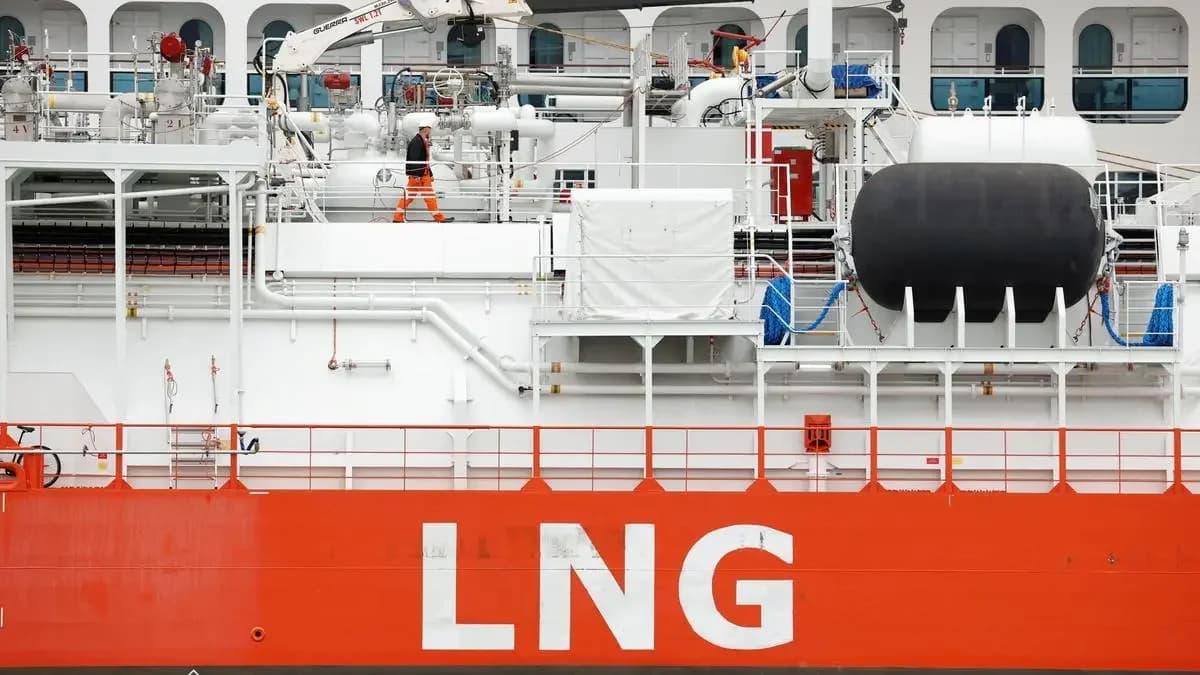
India is facing an estimated LNG shortfall of around 1.5 million tonnes (mt) per month due to the West Asia conflict, according to Wood Mackenzie analysis. The energy consultancy notes that Asia accounted for nearly 90% of Qatari and the UAE LNG shipments transiting the Strait of Hormuz in 2025, with South Asia being among the most affected regions. As per Wood Mackenzie, India faces potential supply curtailments of up to 1.5 mt per month, the largest exposure in the South Asia region by quantity, with gas allocation being diverted to essential sectors. The closure of the Strait of Hormuz has disrupted approximately half of India's liquefied natural gas imports from the Middle East and Gulf region. However, the latest developments show Iran's threats could expand beyond the Strait, with the IRGC warning about disrupting 'all other export corridors' that benefit the US and its allies, potentially affecting alternative shipping routes.
Global natural gas demand is projected to decline by 0.5% in 2026, or approximately 20 billion cubic meters, according to the International Energy Agency's latest Q3 2026 gas market report. This represents the third annual decline in global gas consumption this decade, following contractions in 2020 and 2022. The decline is attributed to elevated prices that have reduced consumption across key markets, particularly in Asia where consumption fell around 1% year-on-year during the first half of 2026. As per the IEA report, higher gas prices have curbed demand from power generators and industrial consumers, with increased fuel switching to coal making gas less competitive. The latest Iranian threats could intensify this trend, as Iran's threats could expand beyond the Strait, potentially affecting alternative energy routes and further disrupting global gas markets.
Between January and April 2026, India's natural gas demand declined 4% year-on-year, reflecting strong price sensitivity across key consuming sectors. According to the IEA report, fertilizer production recorded the largest absolute decline, falling more than 0.4 billion cubic meters (bcm), or 7% year-on-year, despite its critical designation under the Natural Gas (Supply Regulation) Order 2026. Petrochemical output also contracted sharply by 21% year-on-year, while gas use in residential and commercial sectors increased around 12% year-on-year. The fall was driven by increased fuel switching to coal in the power sector as gas became less competitive. Wood Mackenzie reports that urea output is being squeezed by Qatari LNG curtailments, with energy-intensive industries cutting run rates and switching to propane, fuel oil and naphtha at pace. The latest Iranian threats could exacerbate this impact, as Iran's threats could expand beyond the Strait, potentially affecting alternative energy routes and further disrupting petrochemical and fertilizer exports from the Middle East.
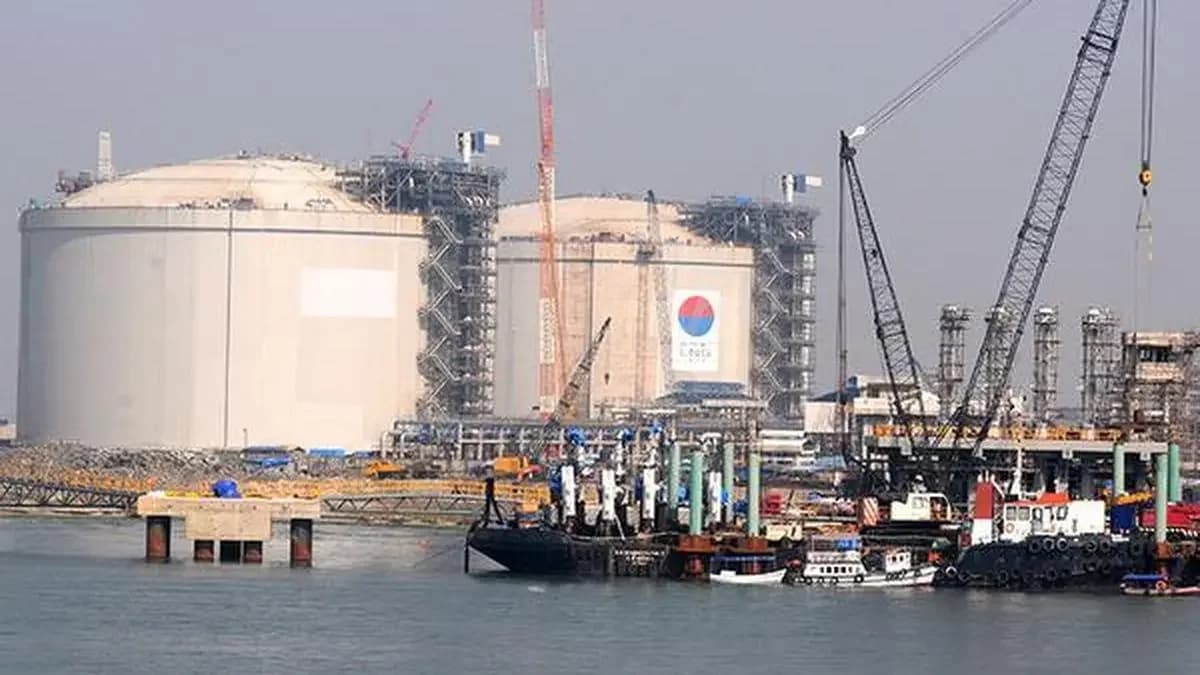
Despite the supply disruptions, LNG imports totalled around 11 billion cubic meters over the period, up 1% year-on-year. The IEA noted that India's domestic gas production remains on a declining trend, recording 22 consecutive months of year-on-year contraction since July 2024 and falling 4% year-on-year in 2026. Supply sources became more diversified in 2026, with imports from Africa almost tripling compared with the same period in 2025, while deliveries from North America increased 70% year-on-year, more than offsetting the 40% decline in imports from West Asia. However, LNG supply from Qatar and the United Arab Emirates fell nearly 80% during the March-June period compared with the same four months of 2025. As the closure of the Strait of Hormuz impacted 46% of India's LNG imports from Qatar, the world's fourth largest LNG importer diversified its cargoes with the US filling in the major gap followed by Oman, Nigeria and Angola. The latest Iranian threats could further complicate this diversification strategy, as Iran's threats could expand beyond the Strait, potentially affecting alternative energy routes and supply chains.
Wood Mackenzie anticipates that Asian LNG demand is heading for a second consecutive year of decline, with Asia Pacific demand forecast at 257 mt in 2026, down from 268 mt in 2025 and a peak of 278 mt in 2024. The consultancy expects Asia Pacific LNG demand recovering to 279 mt in 2027 and reaching 297 mt by 2028, as geopolitical risk subsides and new regas infrastructure comes online. However, the recovery path implies a net gain of 40 mt over two years, a significant volume that will require both new supply and normalisation in spot pricing. Wood Mackenzie notes that the pace and shape of recovery will depend on several variables including the duration of Middle East supply disruption, trajectory of spot prices and competition from oil products. The fuel-switching dynamic carries its own geopolitical complexity, as India imports 80-85% of its liquefied petroleum gas via the Strait of Hormuz, meaning switching fuels trades one supply concentration risk with another. The latest Iranian threats could significantly impact this recovery timeline, as Iran's threats could expand beyond the Strait, potentially affecting alternative energy routes and prolonging the disruption.