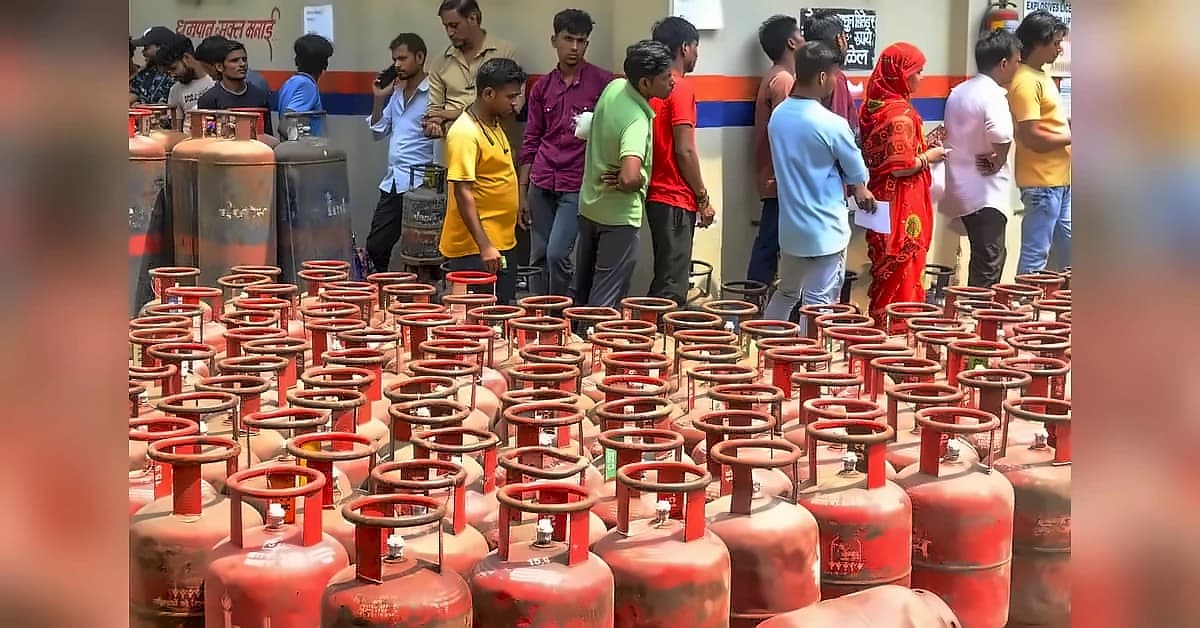
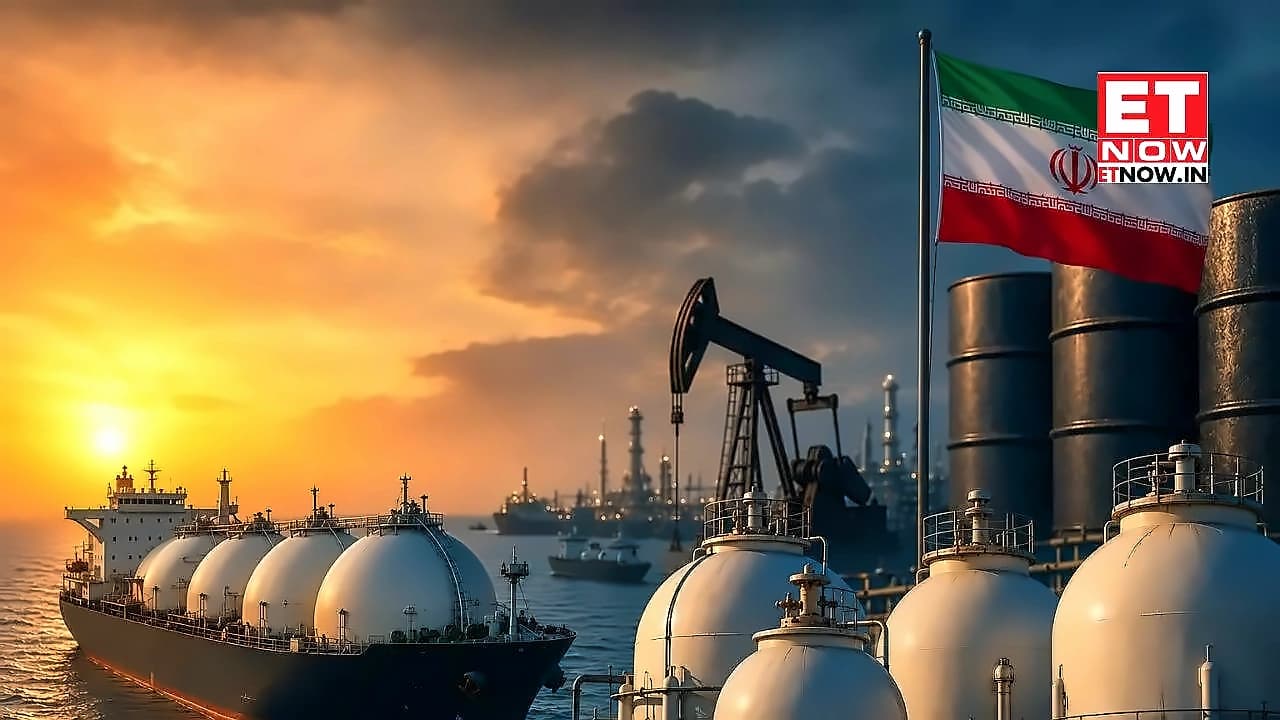
India's cooking gas LPG consumption fell by a steep 16% in April as supply disruptions linked to the West Asia conflict hit availability for both household kitchens and commercial users, according to latest official data. LPG consumption stood at 2.2 million tonnes in April, 16.16% lower than 2.62 million tonnes consumed in the same period last year. The consumption was also 10.5% lower than the 2.45 million tonnes of LPG sales in April 2024 and down month-on-month from 2.379 million tonnes in March. As reported by ABP Live, India imports about 60% of its LPG requirements, much of it via the Strait of Hormuz, which was effectively shut following US and Israeli strikes on Iran and Tehran's retaliation.
An India-linked supertanker carrying 46,313 tons of liquefied petroleum gas has successfully crossed the Strait of Hormuz and is now sailing towards India, marking a significant breakthrough in the ongoing Middle East crisis. According to The Times of India, the Marshall Islands-flagged MT Sarv Shakti cleared the strategic chokepoint on May 2 and is expected to arrive at Visakhapatnam on May 13. The vessel has a crew of 20 members, including 18 Indians, and represents the first India-linked tanker to pass through the conflict-hit zone since the US blockade of ships linked to Iran began weeks ago. The cargo is enough to meet around half a day of India's LPG requirement and is expected to partly ease supply constraints that have persisted since the conflict in West Asia began more than two months ago.
With supplies from Saudi Arabia and the United Arab Emirates disrupted, the government cut LPG supplies to commercial establishments like hotels and industries to safeguard household cooking gas availability. According to ABP Live, supplies to households were regulated by increasing the gap between two refills. The very large gas carrier, previously used on Persian Gulf-India routes, has been chartered by state-owned Indian Oil Corporation (IOC). Since the conflict began, India has implemented comprehensive measures to secure LPG supplies, with authorities exploring additional supply routes and expanding domestic LPG production by 60% to 54,000 tons per day, while daily demand has fallen by 10,000 tons to 80,000 tons according to Oil Minister Hardeep Puri.
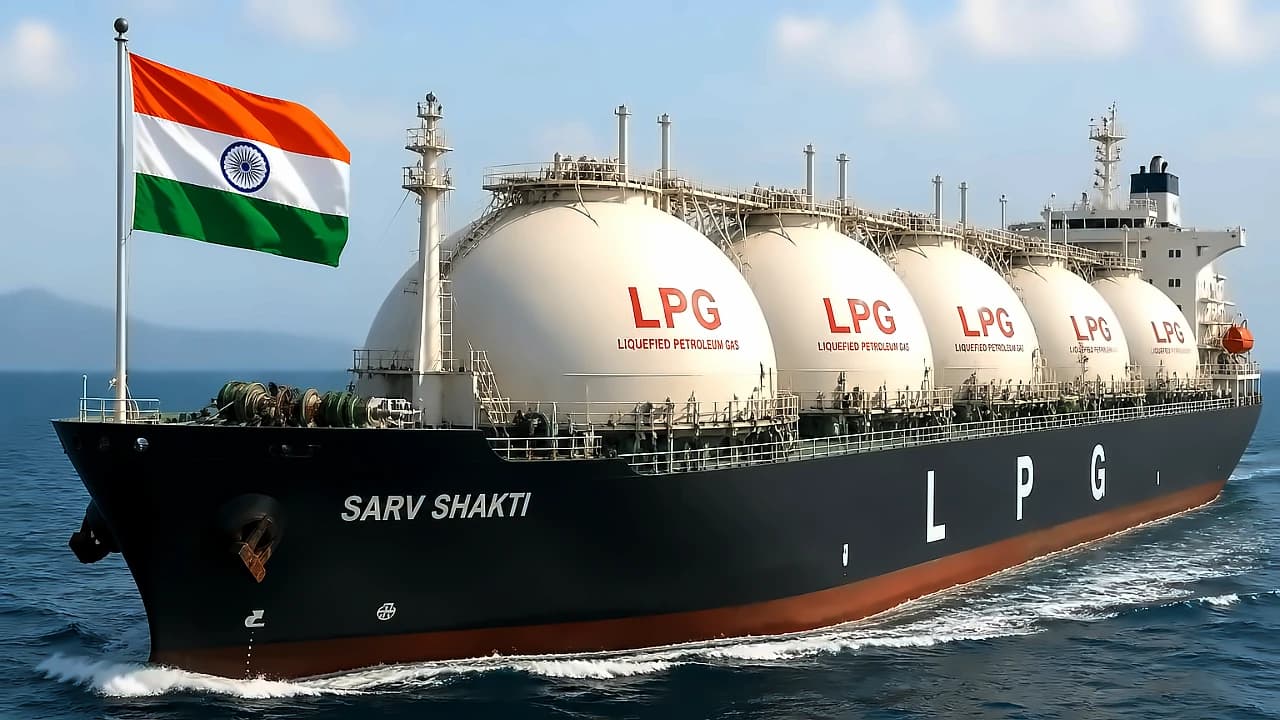
The crossing represents a significant operational achievement amid challenging conditions. As reported by The Times of India, no incident involving Indian-flagged vessels had been reported in the last 24 hours. The Ministry of Ports, Shipping and Waterways is coordinating with the Ministry of External Affairs, Indian missions and maritime stakeholders to ensure crew welfare and smooth operations. The Directorate General of Shipping control room has handled 8,373 calls and over 17,965 emails since activation, including 38 calls and 127 emails in the past 24 hours. India has also facilitated the repatriation of more than 2,953 seafarers so far, including 31 in the last day from across the Gulf region. Port operations across the country remain normal, with no congestion reported.
Despite the successful crossing, challenges persist for Indian maritime operations in the region. As reported by The Times of India, as many as 14 Indian-flagged or India-owned vessels are still stranded on the western side of the Strait of Hormuz. The passage of Sarv Shakti would mark a major breakthrough at a time when most vessels have avoided the route altogether, with electronic interference and deliberate signal suppression in the region complicating tracking efforts. The successful crossing demonstrates India's continued commitment to maintaining essential fuel supplies despite regional tensions, with the country having managed to move eight LPG carriers through the passage during the conflict through direct negotiations with Tehran.