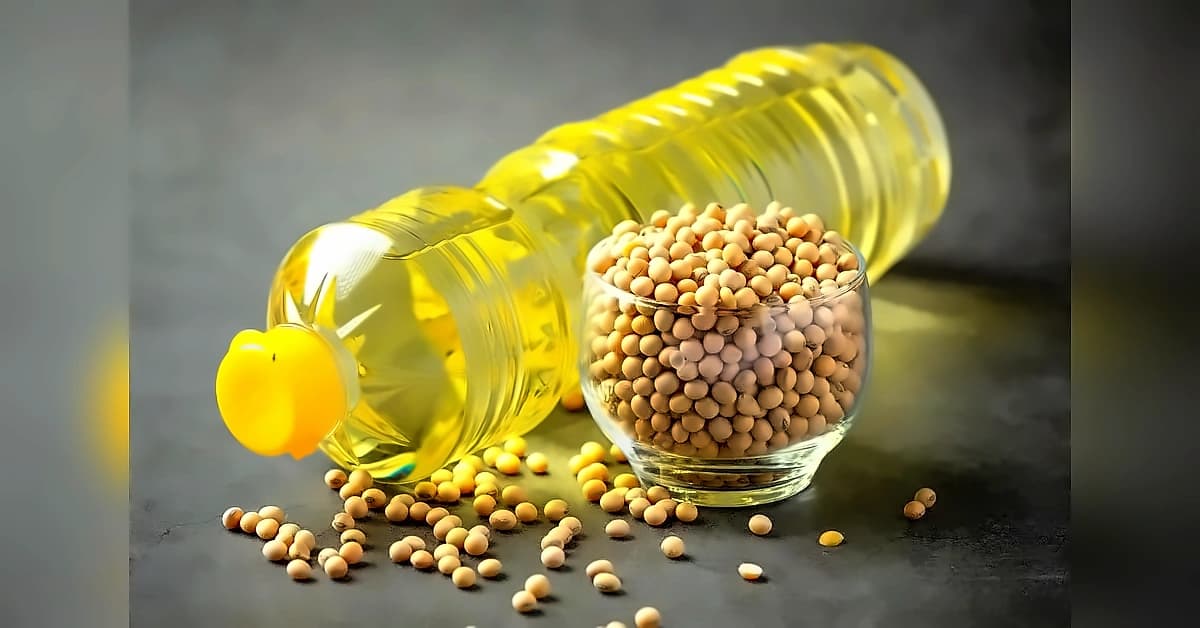
India has transformed from a nearly self-sufficient edible oil producer to the world's largest importer, spending ₹1.7 trillion on cooking oils in FY26. According to reports from Mint, this dramatic shift began in the early 1990s when India achieved self-sufficiency through Operation Golden Flow and the launch of Dhara brand under the National Dairy Development Board (NDDB). By 1991, the initiatives led to an 80% increase in production compared to the average between 1970-1985, with per capita oil consumption remaining low at less than 4kg annually. However, after liberalization in 1991 and India's entry into the World Trade Organization, homegrown oils started losing to cheaper imports, with the country again importing 30% of its demand by 1998. The surge in demand has been dramatic, with per capita consumption rising from less than 4kg in 1980-81 to nearly 20kg by 2021-22, driven by population and income growth and consumption of fat-rich ultra-processed foods.
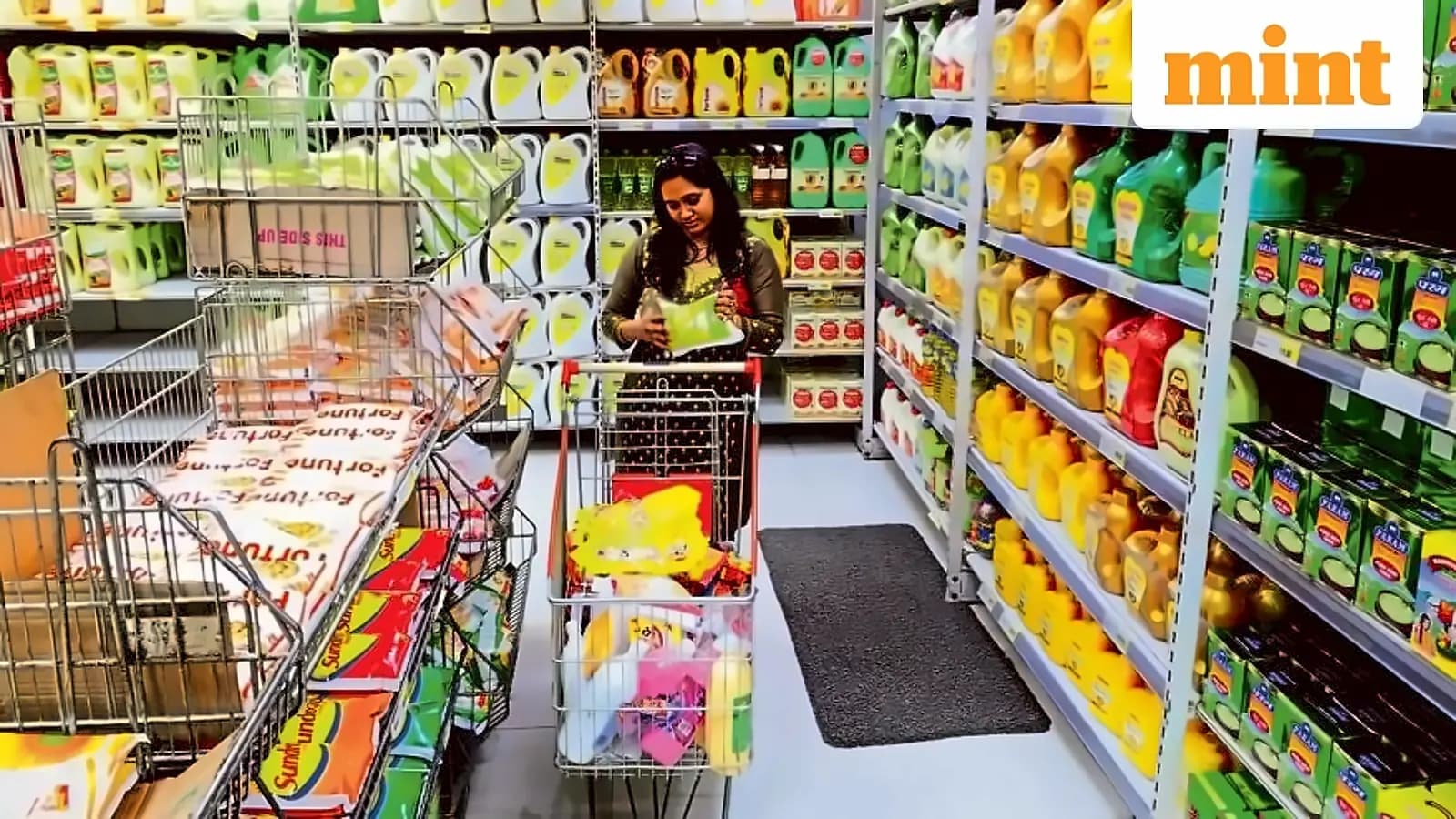
The journey to self-sufficiency faced significant obstacles, including the August 1998 tragedy in Delhi where 60 people died and thousands fell ill after consuming adulterated mustard oil contaminated with argemone weed seeds. As reported by Mint, this incident severely damaged consumer trust in domestic brands like Dhara, which had been displacing private oil brands. Consumers turned to 'purer', odorless, colourless, and tasteless oils, or what we referred to as solvent-extracted refined oils, according to industry experts. Additionally, India prioritized pulse production over oilseeds around 2010 due to international supply lines for cheap oils, while officials working for NDDB faced physical assaults and cooperative oil mills were repeatedly set on fire. The Asian Palm Oil Alliance's Chaturvedi warns that without GM technology access, India cannot ever get to self-sufficiency, noting that the country continues importing GM-origin soy oils from the US, Brazil and Argentina while not allowing domestic farmers to grow transgenic food crops.
Currently, oilseeds are primarily grown by small farmers in marginal soils with poor yields, as reported by Mint. Soybean yields are only one-third of major global exporters, while farmers lack access to genetically modified technology that could improve yields significantly. Ramesh Chand, former Niti Aayog member, attributes this chronic dependence primarily to the lack of GM technology access, noting that India continues importing GM-origin soy oils from the US, Brazil and Argentina while not allowing domestic farmers to grow transgenic food crops. In 2022, the government allowed environmental release of an indigenously developed GM mustard variant, but the decision remains under Supreme Court review. T. Nanda Kumar, former food and agriculture secretary, believes India can reduce import dependence to 40% of domestic demand through productivity gains rather than expanding cultivation areas, suggesting investment in research and promoting varieties where oil recovery from seeds is higher than current levels.
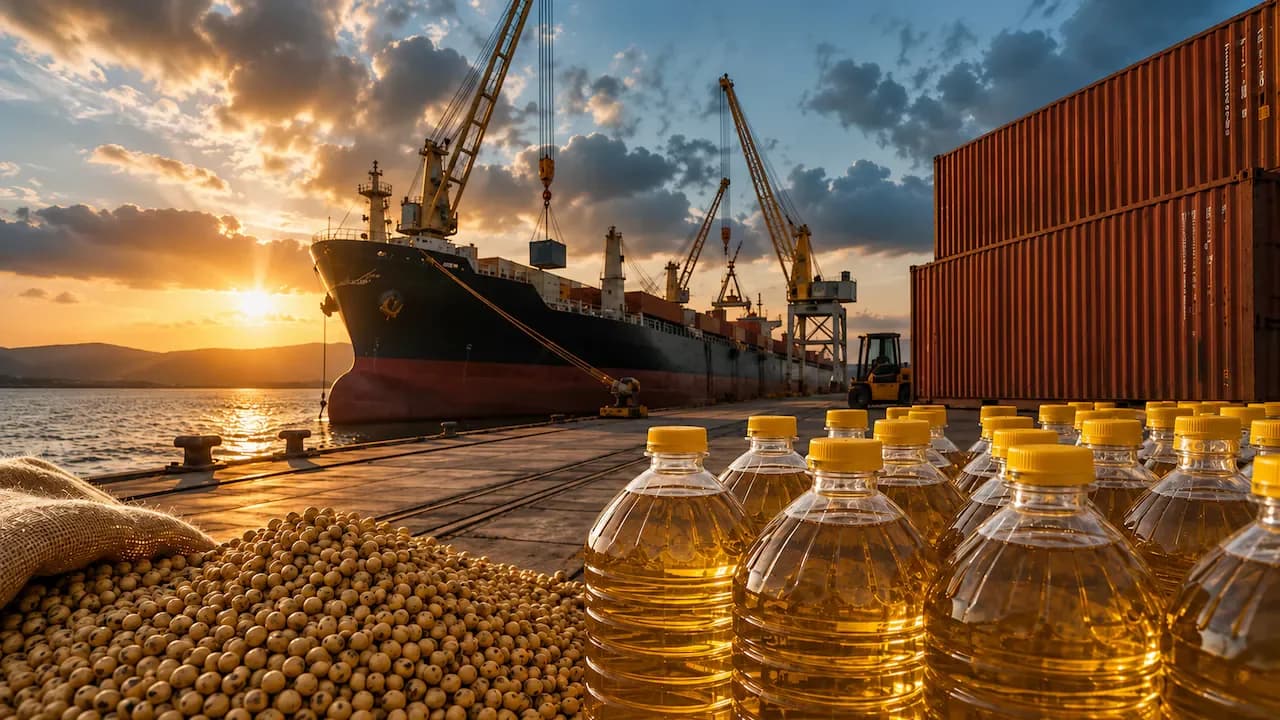
Despite government missions targeting import dependency reduction from 60% to less than 30% by 2030-31, experts suggest achieving true self-sufficiency remains challenging. Kumar says that increasing the area under oilseeds is not practically feasible as that may hurt pulses, which already face a supply shortfall. Farmers like Harman Brar from Rajasthan have reduced mustard planting from 48 acres to 16 acres due to unassured prices and volatile wholesale markets, switching to more profitable crops like oranges where returns are 2-3 times higher. The shift toward ethanol production for fuel blending may further deepen India's dependence on imported cooking oils, creating a zero-sum situation where increased ethanol production reduces available oilseed cultivation areas. Atul Chaturvedi, chairman of the Asian Palm Oil Alliance, believes India's edible oil import bill will certainly cross ₹2 trillion in FY27, despite moderation in demand due to higher retail prices and reduced demand from hospitality sectors.