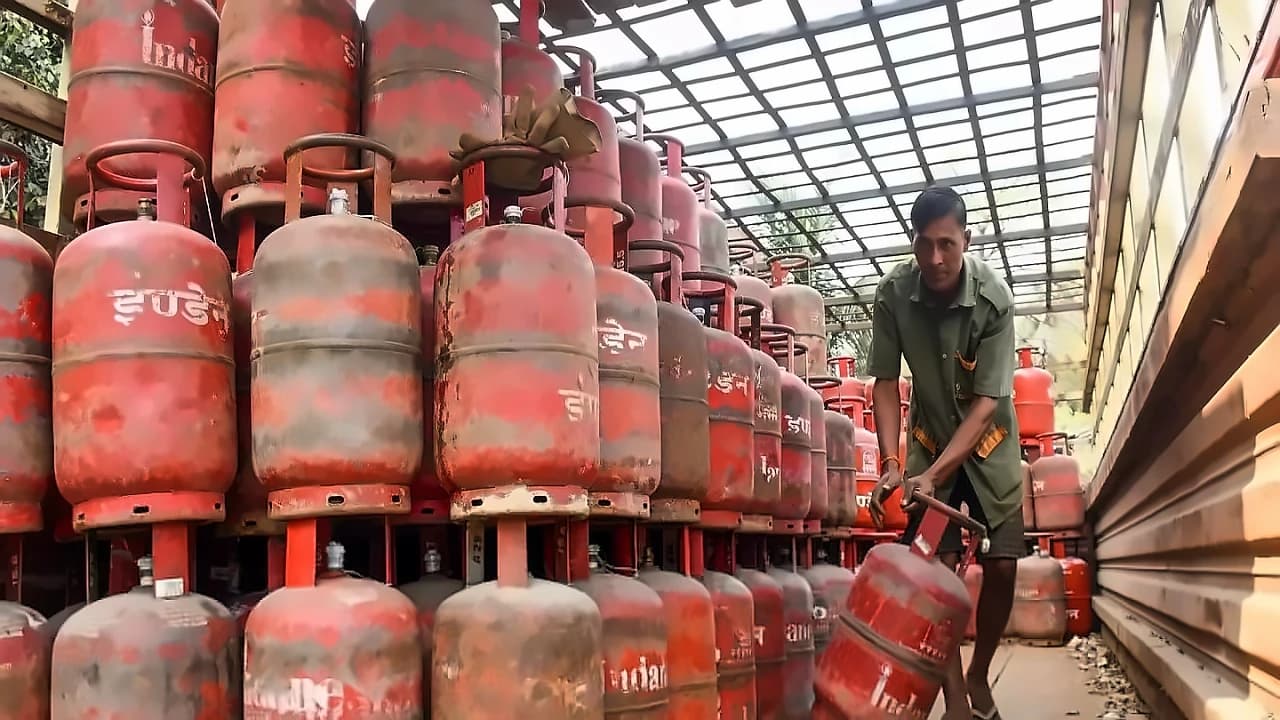
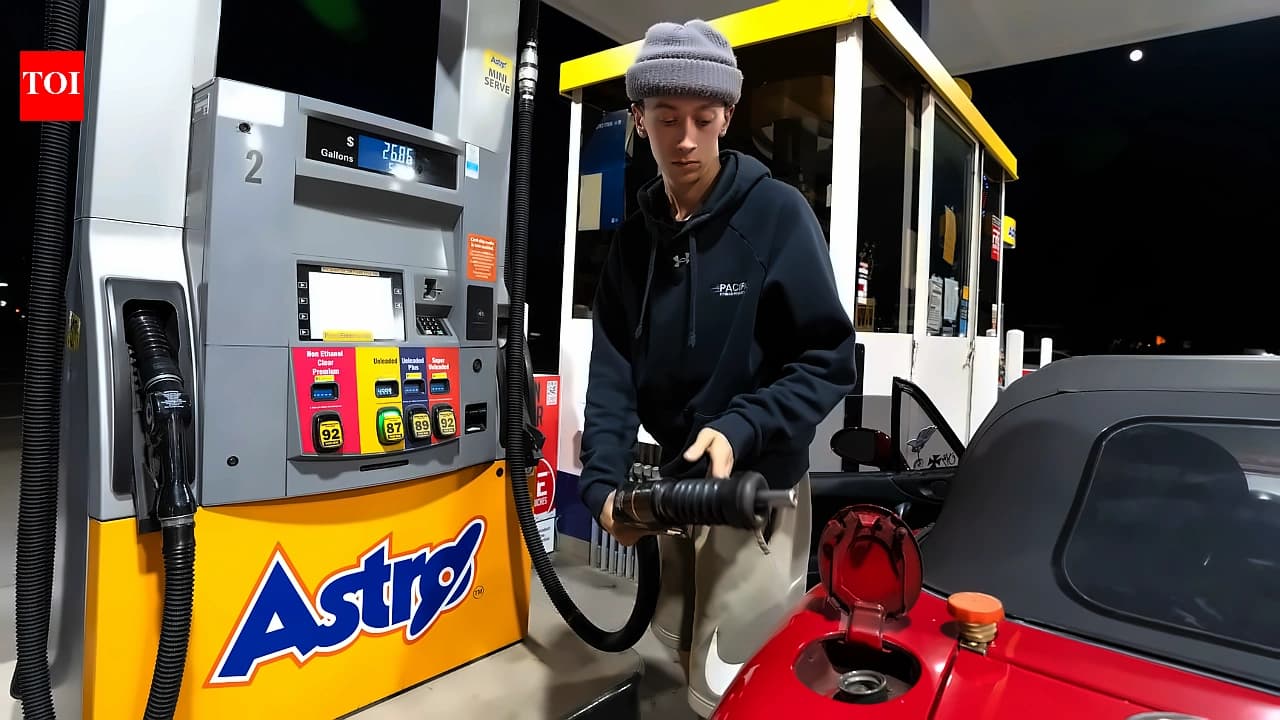
California's fuel market is facing unprecedented pressure as the last ship to leave the Strait of Hormuz for California was unloaded in Long Beach, marking the final barrels of oil from the crucial Middle East route until the Iran war is resolved. California's average retail motor fuel price reached ₹6.16 on May 7, as reported by GasBuddy data, with industry leaders warning of potential price spikes of $1 to $2 per gallon as the state battles other US states and foreign markets for limited oil resources. The disruption stems from India's efforts to tackle a severe cooking gas shortage amid the ongoing Iran conflict, which has severely impacted global energy trade flows and forced countries to redraw fuel priorities.
Before the conflict, more than 90% of India's LPG imports came from the Middle East, as reported by Reuters. However, supply disruptions prompted New Delhi to invoke emergency powers and direct refiners to maximise LPG production. The resulting supply shock has forced countries to redraw fuel priorities, with India diverting refinery capacity toward LPG production to address domestic cooking gas shortages. India's total alkylate exports plummeted to 33,000 barrels per day in April, roughly half of the 61,000 bpd exported in March, marking the lowest level since October 2023, according to Kpler data. California faces particular vulnerability as roughly 60% of the state's crude oil now originates from foreign suppliers, with a significant portion coming from Middle Eastern and Asian countries including Iraq and Saudi Arabia.
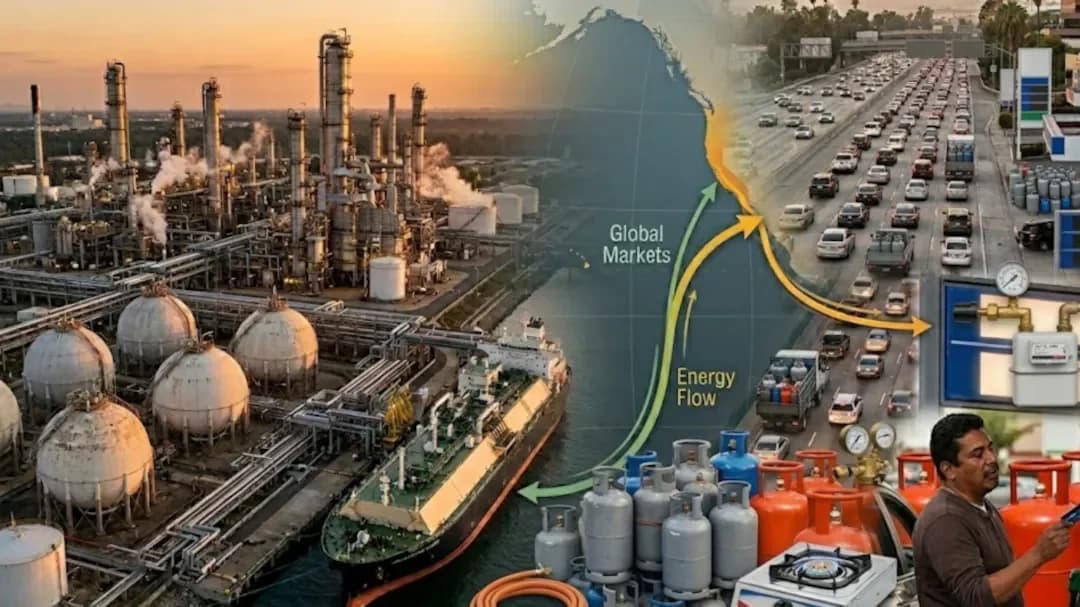
To achieve the increased LPG production targets, Indian refiners have reduced output of alkylates, premium gasoline blending components made using LPG feedstock, according to the Reuters report. Mason Hamilton, chief economist for the American Petroleum Institute industry group, stated that "With India's LPG supply constrained by the closure of the Strait of Hormuz, refiners there are producing and exporting less alkylate, adding pressure to an already tight California gasoline market." The disruption has been compounded by California's refining capacity challenges, with the Phillips 66 Wilmington/Los Angeles facility and the Valero Benicia plant shutting down, eliminating roughly 20% of the state's total refining capacity. California Energy Commission officials acknowledge that the state currently has enough fuel reserves to meet demand for about six weeks if disruptions in the Strait of Hormuz continue.
California faces particular challenges as the state mandates a unique gasoline blend to reduce smog, making alkylates particularly sought after because they burn cleaner than other additives. As per GasBuddy data, California's gasoline stockpiles are hovering near record lows, compounding the impact of reduced alkylate availability. The state's specialized fuel requirements also complicate supply stabilization efforts, with critics arguing that the mandate limits where California can purchase fuel during shortages and drives up costs. Nearly 90% of cars in California continue to use traditional fuel, despite the push toward electric vehicles and clean energy mandates, making the state heavily dependent on imported oil supplies. California Governor Gavin Newsom faces limited options to prevent further price increases, with GasBuddy's De Haan noting that "His hands are tied. That's the only choice he has."
Jodie Muller, CEO of Western States Petroleum Association, warned that California's dependence on foreign oil imports leaves consumers vulnerable to mounting supply pressures. She stated that "We will see continued pressure on price in an upward direction as supply comes down in the state and consumers should be concerned." Muller argued that state policies have made California increasingly hostile to oil producers and refiners, warning that continued regulations could further weaken the state's remaining refining infrastructure. Lawmakers floated the idea during recent legislative hearings of reevaluating California's specialized fuel blend requirement as a potential long-term solution to supply concerns, though changing the formula would be complicated for refiners already operating under existing standards.