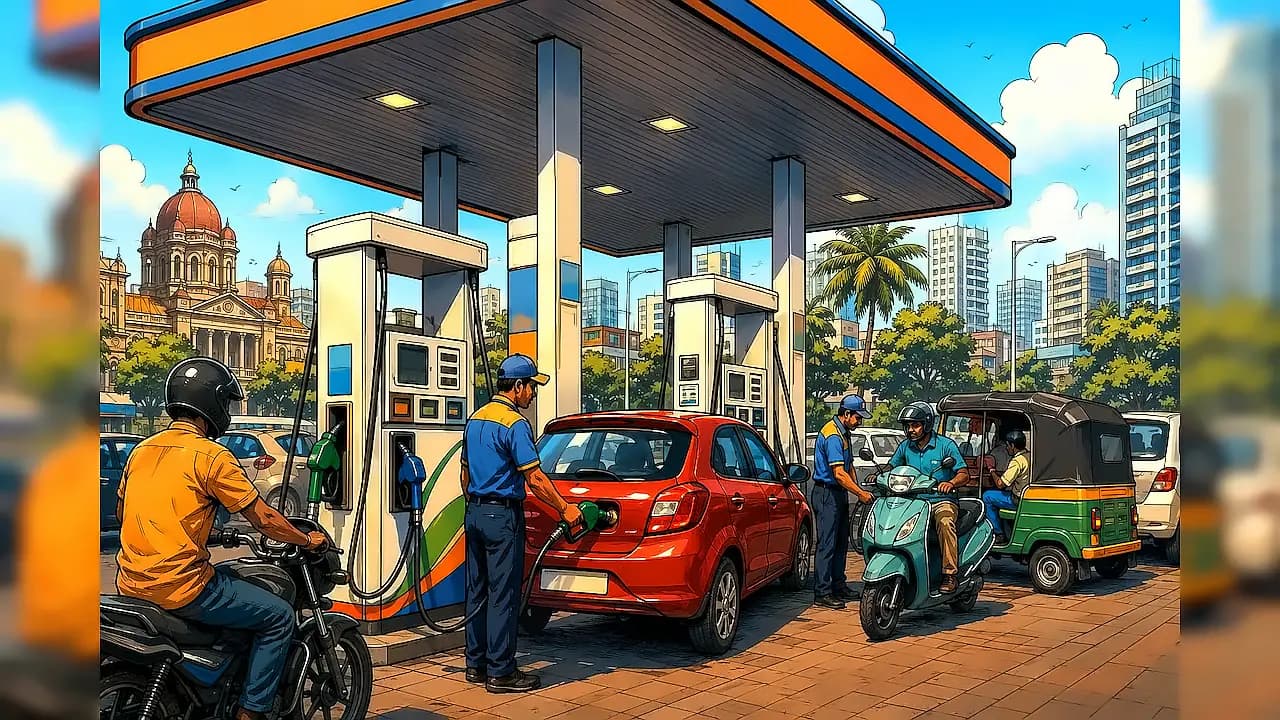
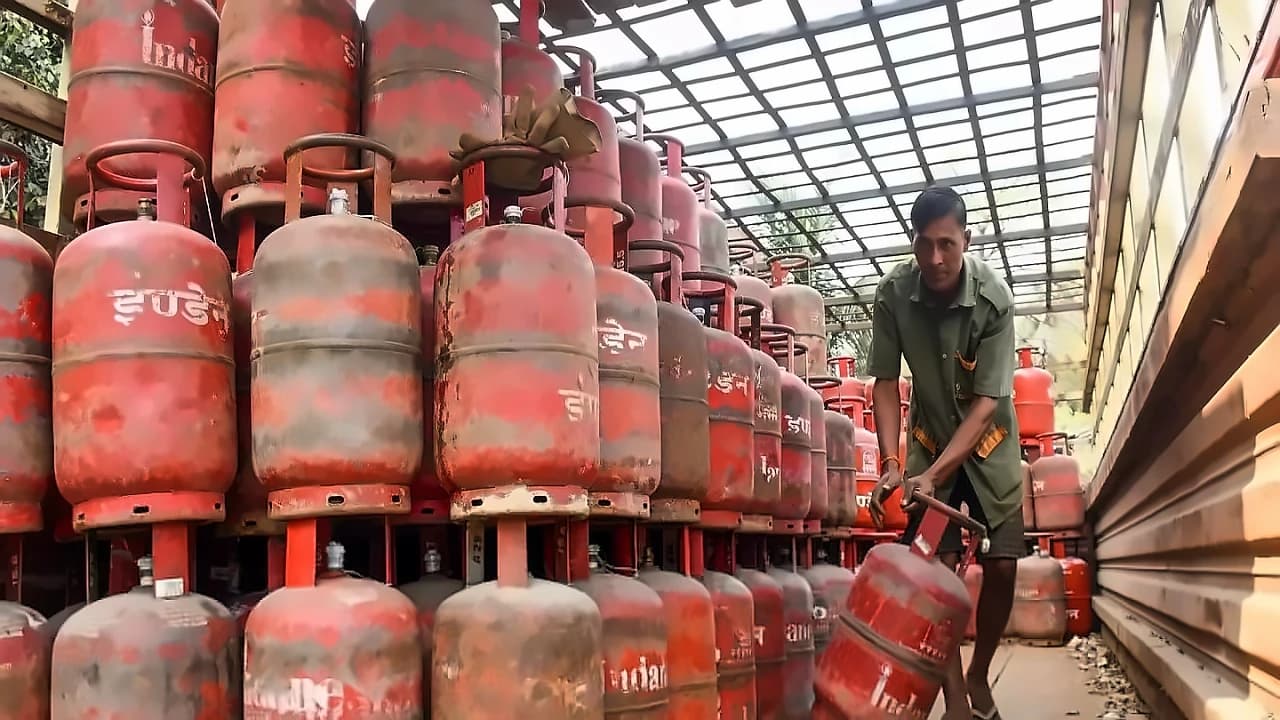
The US-Israeli conflict with Iran has created the worst-ever energy supply disruption that is rippling through economies worldwide. According to Reuters, Iran's near-closure of the Strait of Hormuz has thrown global oil trade into disarray, cutting off importers from around one-fifth of the global oil supply that traversed the waterway before the war. This has forced countries to draw down reserves and adopt emergency measures to manage tightening fuel supplies. India's cooking gas shortages are emerging as the country relied on the Middle East for more than 90% of its LPG imports before the conflict escalated, with supplies now disrupted. As shipping routes have become uncertain, buyers across countries have been forced to draw down inventories and seek emergency alternatives to manage shortages.
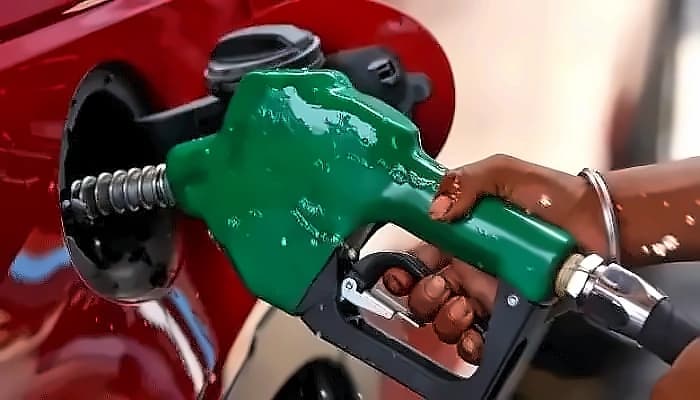
California's gasoline prices have surged to nearly $6 per gallon as the Middle East conflict creates dual pressures on the state's fuel market. As reported by Reuters, California's motorists face a double whammy from the war: a slump in Asian fuel exports has directly hit the motor fuel supply chain, while additives needed for the state's unique gasoline blend are harder to procure because of India's conservation of cooking fuel. California's average retail motor fuel price was $6.14 per gallon on Friday, after hitting an over three-year high of $6.16 on May 7, according to GasBuddy data. California's average petrol price stood at $6.14 per gallon on Friday, after touching a more than three-year high of $6.16 earlier in May, with prices potentially crossing $6.50 over the coming weeks, as analysts warn. California Energy Commission spokespersons said the state is monitoring the situation but does not expect an immediate shortage, though analysts warn that pricing pressure may intensify during the summer driving season.
India's government directed refiners to sharply increase LPG production, forcing a shift in production priorities that directly impacts California's fuel supply. According to Reuters, Reliance Industries, which operates the world's largest refinery complex at Jamnagar in Gujarat, said this month that it was cutting alkylate output and exports to maximize LPG production. Kpler data showed India's alkylate exports fell to 33,000 barrels per day in April, nearly half the 61,000 barrels per day exported in March and the lowest level since October 2023. Mason Hamilton, chief economist for the American Petroleum Institute, noted that "Indian refiners' decision to cut alkylate exports could not come at a worse time for California," as motorists in the most populous U.S. state are already paying the highest gasoline prices since 2022 amid the global fuel supply crisis. "With India's LPG supply constrained by the closure of the Strait of Hormuz, refiners there are producing and exporting less alkylate, adding pressure to an already tight California gasoline market," Hamilton said.
California faces additional pressure from seasonal fuel regulations that increase production costs nationwide and make the state particularly vulnerable to alkylate shortages. As reported by Kpler analyst Nikhil Dubey, California enforces the strictest standards in the country, making its fuel system even more dependent on alkylates. U.S. environmental laws require cleaner-burning gasoline blends during the peak summer season, adding to costs relative to the rest of the country, with California's strictest mandates making it particularly vulnerable. A spokesperson for the California Energy Commission said authorities are aware of India's changing fuel priorities but currently believes the state still has adequate gasoline and blending inventories, with the CEC not foreseeing a shortfall but monitoring the situation. GasBuddy analyst Patrick De Haan warned that "The more acute the alkylate supply shortfall becomes, the higher it could push prices in California," highlighting the state's vulnerability to supply disruptions.
California policymakers face limited options as the conflict drags on, with analysts suggesting temporary measures may worsen the problem. According to GasBuddy analyst Patrick De Haan, temporary steps such as fuel tax cuts may actually boost fuel demand at a time when supply constraints remain severe. Governor Gavin Newsom has few options to prevent pump prices from rising further as long as the Iran war drags on, with any stopgap measures to lower fuel prices potentially boosting demand and deepening the alkylate shortage. As De Haan noted, "You can't put more pressure on a system struggling under the existing weight on it." The only viable option may be to waive the state's fuel specifications to reduce the need for alkylates, though the CEC spokesperson said they do not think such a waiver would help the state. Analysts warn that pricing pressure may intensify during the summer driving season, when California's strict environmental regulations make fuel demand particularly sensitive to supply disruptions.