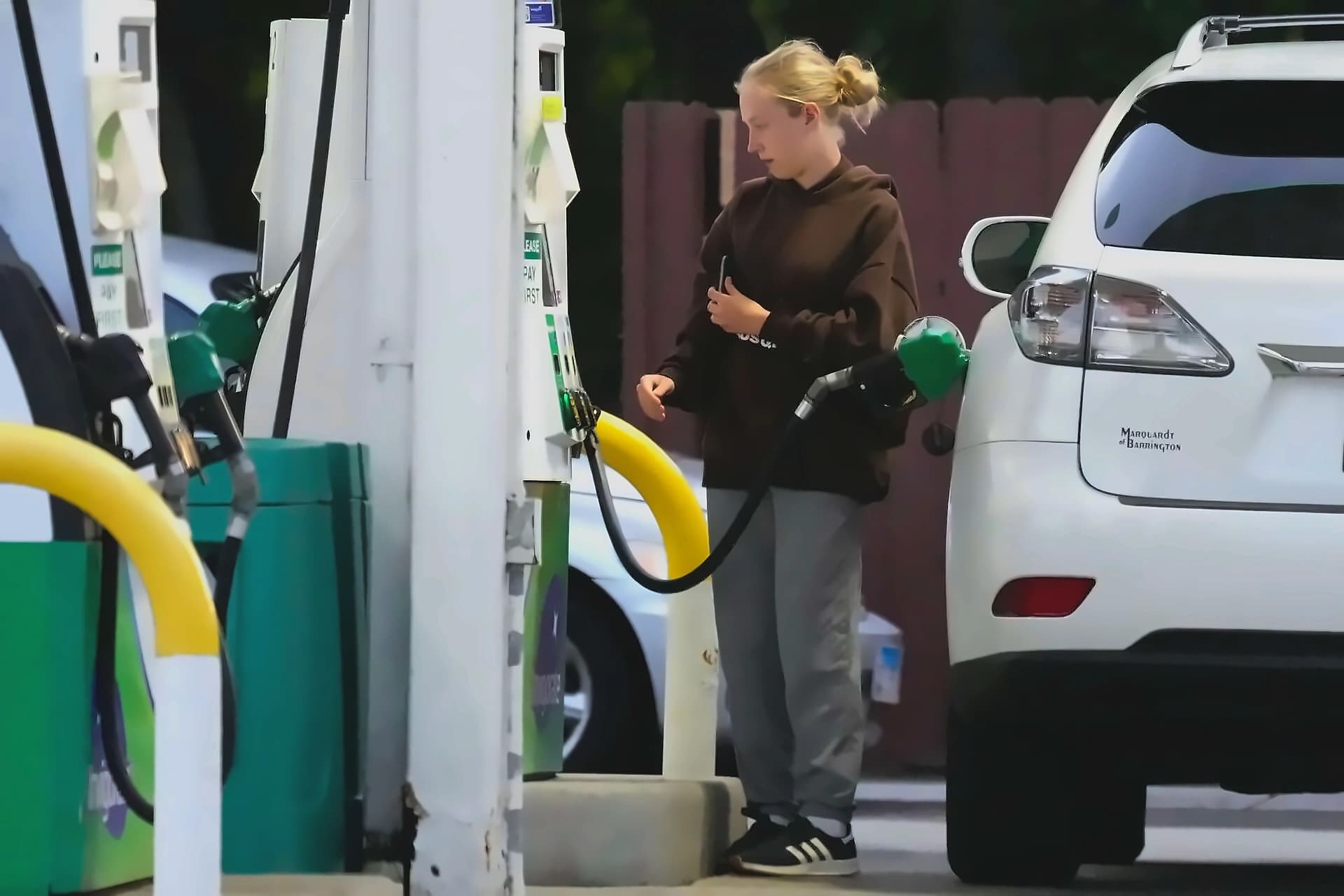
California faces a six-week fuel supply buffer as the state's average gasoline price reached $6.11 per gallon, according to AAA data. California Energy Commission Vice Chairman Siva Gunda told state lawmakers that the state has enough fuel supply to meet demand for the next six weeks, stating "At least, up to six weeks I do not see a shortfall." However, beyond this period, pricing will move molecules to California but at a premium. Gunda warned that prices could reach $6.50 per gallon if demand drops with higher prices, potentially stabilizing costs. The state has been relying on foreign fuel since losing two oil refineries that provided 20% of the state's refining capacity this year.
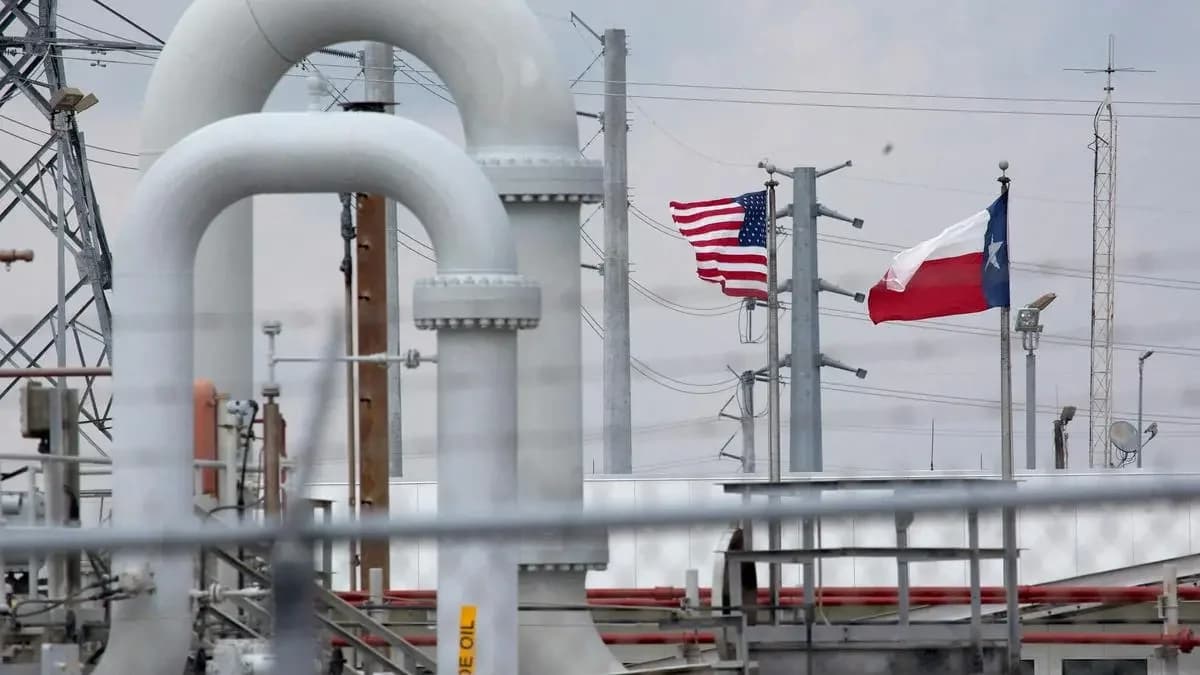
The Strait of Hormuz, a narrow waterway through which around 20% of the world's crude oil normally passes, has remained severely constrained, leaving oil tankers stranded and pushing up global crude prices. As reported by The Times of India, the effective shutdown triggered what the International Energy Agency described as the largest supply disruption in oil market history, sending crude prices above $112 per barrel in early April. According to the US Energy Information Administration (EIA), crude oil accounts for around 51% of the price of a gallon of gasoline in the US. California's situation is particularly vulnerable as most of its crude oil now comes from Asia and South America, with about 2 million barrels of oil currently being unloaded in Long Beach from the last California-bound tanker that got through the Strait.
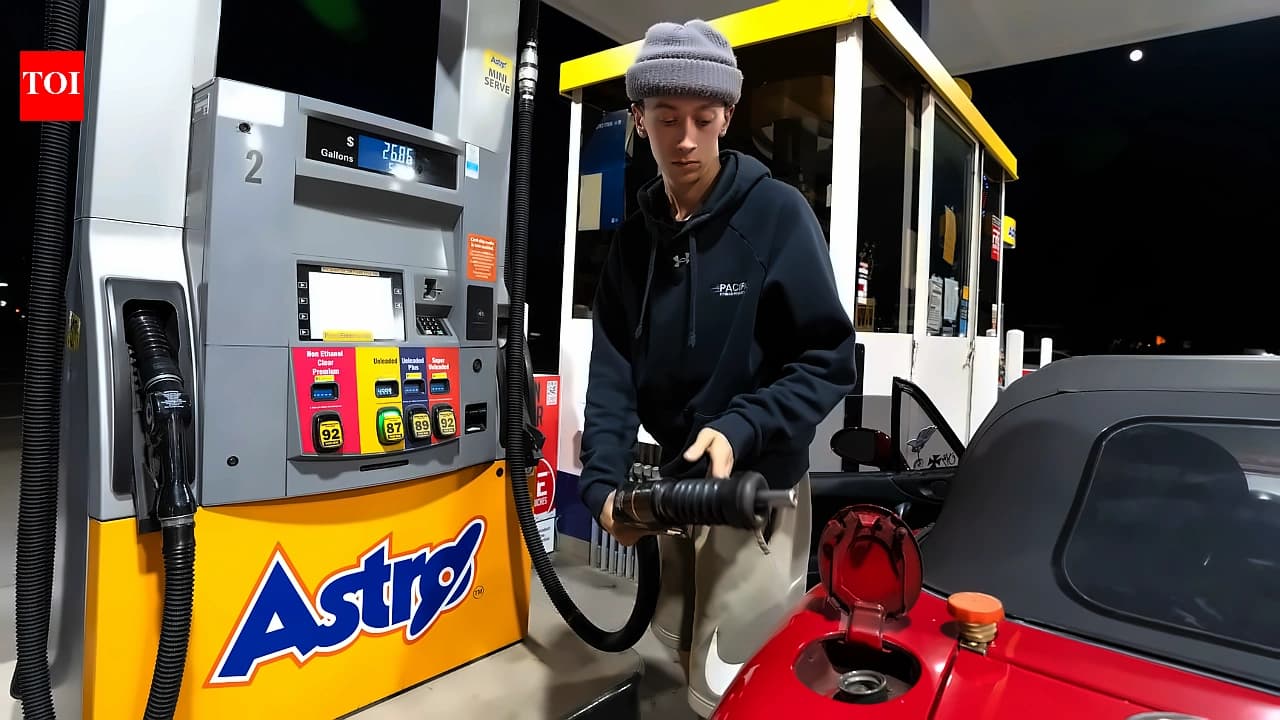
California Energy Commission Vice Chairman Siva Gunda confirmed negotiations are underway to ensure the state has stable fuel supply for the next three to six months, though he did not provide a timeline for when this plan would be made public. UC Berkeley Energy Institute economist Severin Borenstein warned that if prices increase by $1 to $2 per gallon, it would be a crisis completely out of control of the state. The Western States Petroleum Association's Jodie Muller noted that California's petroleum system was weakened by design and global events are now exposing its fragility. Assemblyman David Alvarez asked about emergency backup plans, to which Gunda responded that many conversations are happening related to specific oil and gas assets, though he could not disclose private business information.
State lawmakers are considering gas tax holiday proposals and floating gas tax mechanisms that decrease when crude oil prices rise, as suggested by Borenstein. However, these measures have been non-starters for California's Democratic leaders. The uncertainty serves as a major hurdle as the state attempts to cut oil and gas reliance in favor of renewable energy, with nearly 90% of registered cars in California still relying on gas. Industry experts acknowledge that California's increased regulations and scrutiny over the past two decades have weakened its petroleum system, making it more vulnerable to global supply disruptions. Rob Smith from S&P Global Energy noted that there was initial optimism after ceasefire announcements, but as the conflict dragged on, gasoline prices resumed climbing due to fundamental supply shortfalls.