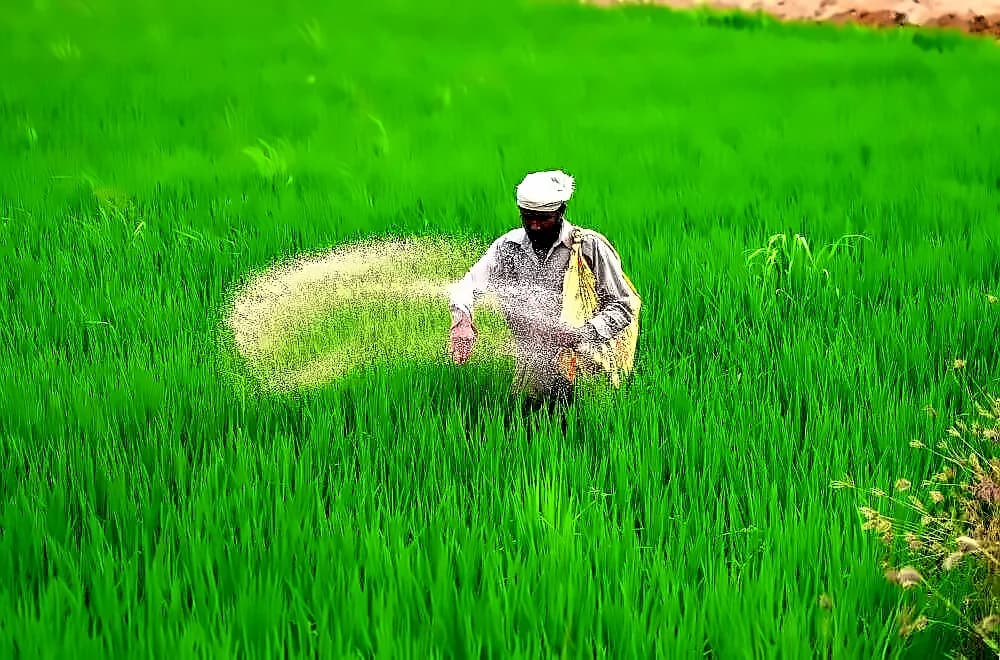
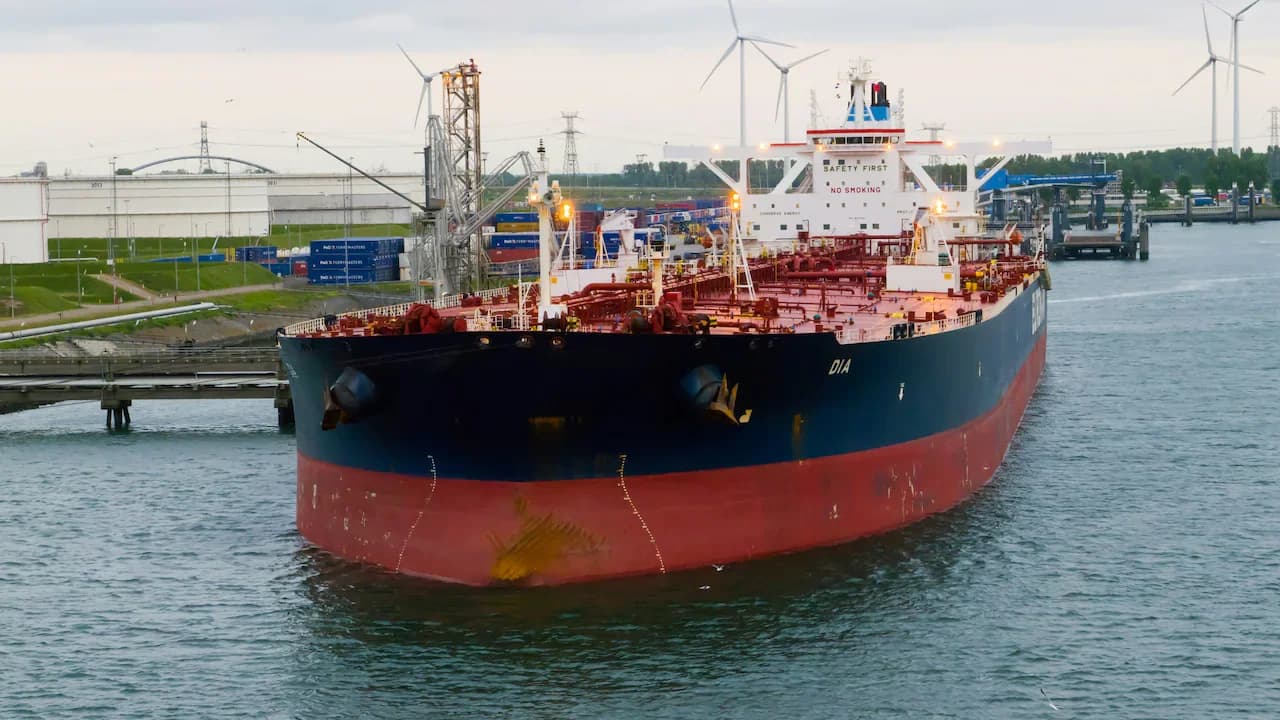
India's record 1.35 million metric tons of diammonium phosphate (DAP) purchase is creating significant disruption in global fertilizer markets. The massive tender, equivalent to about a quarter of India's annual DAP imports, was floated in April seeking 1.2 million tons and received offers totalling about 2.3 million tons with prices ranging from $930 per ton to $1,100 per ton. As reported by Business Standard, Indian Potash Ltd (IPL) eventually secured the deal after several suppliers matched the lowest offer, with shipments required to leave loading ports by August 15. The purchase comes as a direct response to supply disruptions linked to the Iran conflict, with suppliers expected to source DAP mainly from Saudi Arabia, Russia, Egypt and Morocco.
India's record purchase has created a significant pricing crisis in global fertilizer markets. The deal was secured at $930-$935 per ton CFR, representing a 39-40% increase from pre-conflict rates of around $667.50 per ton. This compares to Gulf DAP prices that climbed from roughly $583 per ton in January 2025 to nearly $800 per ton by August 2025. The bulk buying has immediately reduced global supply availability, with experts predicting global fertilizer prices could be 15-20% higher in early 2026 if the crisis continues. India's position as the world's biggest importer of DAP, handling 30-50% of global trade each year, amplifies the market impact as the country's demand is expected to top 5 million tons in 2025.
The current supply problems are directly tied to Middle East conflict, especially around the Strait of Hormuz, a key route for global energy and fertilizer shipments with about one-third of all seaborne fertilizer trade passing through it. Major DAP exporting nations—China, Morocco, Saudi Arabia, Russia, and Jordan—which together supply about 80% of global exports, are now dealing with complicated shipping routes. China's own limits on exports have already affected worldwide availability, highlighting how few countries dominate production and export. The sharp rise in import costs is putting significant financial strain on the Indian government, which heavily subsidizes fertilizer costs for farmers, potentially straining government budgets and increasing the difference between subsidized prices and actual import costs.
Experts predict that even with new DAP production coming online, the market will likely remain tight. The government has assured that fertilizer supplies are adequate for the upcoming Kharif farming season, but global supply risks remain a concern. While geopolitical events can cause temporary price surges, analysts believe long-term agricultural demand and tighter crop markets will be the main factors influencing fertilizer company performance and price stability. If high prices and supply shortages continue, farmers might use less fertilizer, potentially leading to lower crop harvests and affecting food security in the longer term.