India's crude oil imports reached a record 4.92 million barrels per day (bpd) as of June 29, broadly in line with pre-conflict levels and exceeding the 4.7 million bpd imported during the corresponding period last year. According to preliminary ship-tracking data from Kpler, Russian crude imports rose to around 2.58 million bpd during the month, reinforcing Moscow's position as India's largest crude supplier. This represents a significant increase from the 2.13 million bpd estimated by Kpler for May and 1.95 million bpd pegged by LSEG. Energy expert Anas Alhajji, chief economist at NGP Energy Capital Management, stated that the volume of Russian crude tankers currently arriving at Indian ports was unlike anything he had witnessed before, with major refineries including Vadinar in Gujarat, Jamnagar, New Mangalore, Visakhapatnam and Paradip recording higher arrivals.
India has successfully replenished its crude oil stocks, with inventory levels now approaching their highest point in nearly a year. According to Kpler estimates, India's crude oil inventory stood at 104 million barrels at the end of June, up significantly from 90.5 million barrels at the end of April. At the end of February, just before the US-Iran conflict began, India's crude stockpiles had reached 107 million barrels, their highest month-end level in the preceding 12 months. With the country consuming around 5 million barrels of crude each day, the current inventory is enough to meet approximately 21 days of demand. An industry executive noted that refiners maintained high operating rates to ensure uninterrupted fuel availability, with Oil Minister Hardeep Singh Puri confirming that there were "no disruptions, no shortages and no queues at fuel stations."
Russian crude now accounts for more than 50% of India's total oil imports in June, a significant increase from 36.5% in May, reinforcing Moscow's position as India's largest crude supplier. A report by the Centre for Research on Energy and Clean Air (CREA) showed that India remained the world's second-largest buyer of Russian fossil fuels in May, importing around €5.8 billion ($6.7 billion) worth of Russian hydrocarbons. As reported by NDTV Profit, crude oil accounted for nearly 83% of those imports, valued at about €4.8 billion. The United Arab Emirates and Venezuela were among the other major suppliers, with India importing about 510,000 bpd and 360,000 bpd from the two countries, respectively, during the month. Despite the surge in Russian purchases, India's overall crude imports remained broadly steady at around 4.92 million bpd, according to Kpler data. In May, China accounted for half of Russia's crude exports, while India's share stood at 36%, followed by Turkey at 6% and the European Union at 5%.
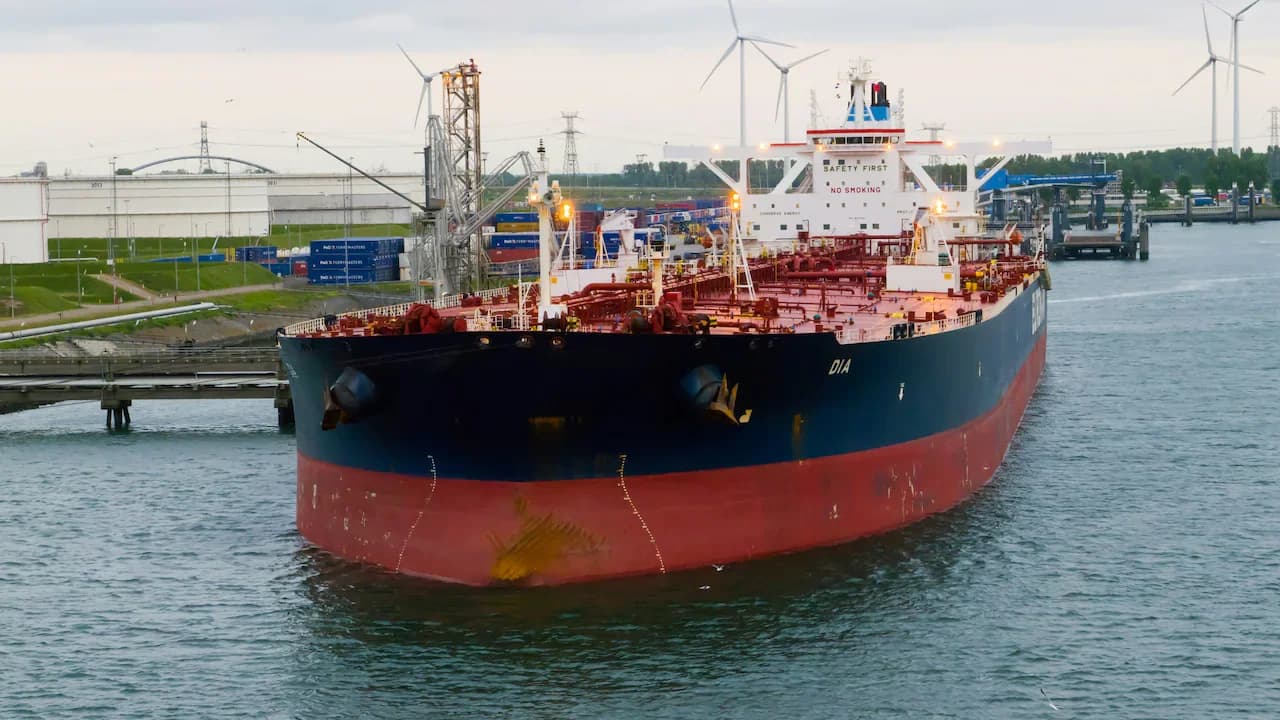
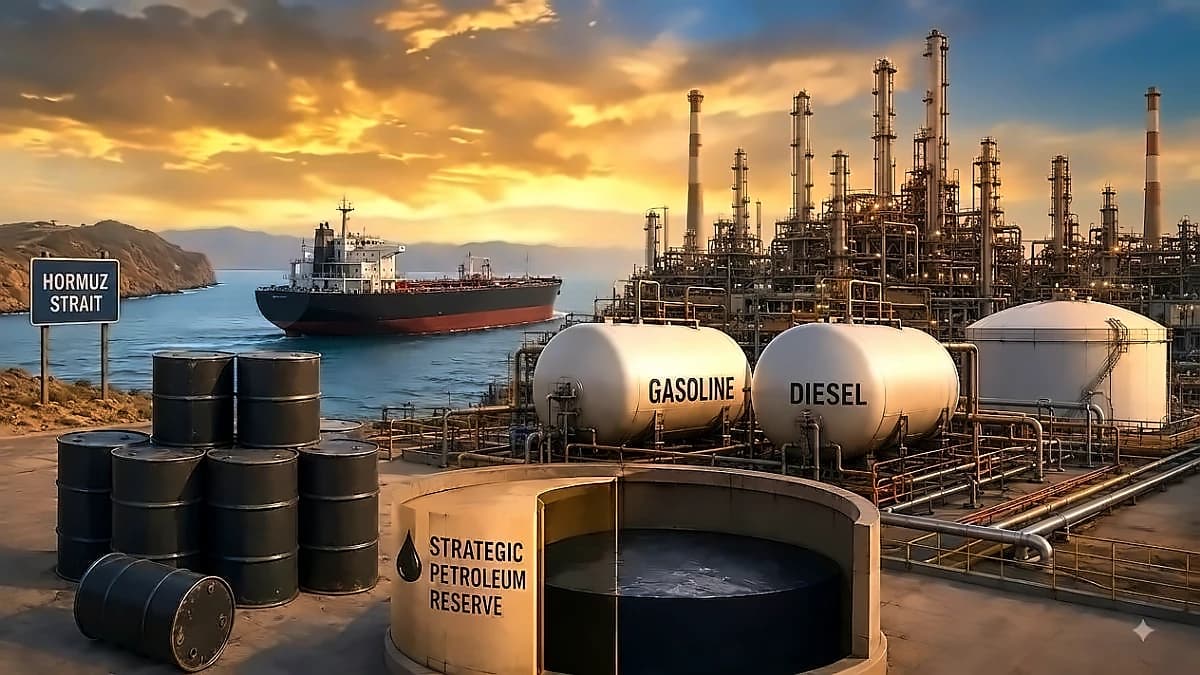
The latest jump in imports reflects refiners' efforts to compensate for reduced availability and uncertainty surrounding Middle Eastern supplies during the Strait of Hormuz crisis. According to Kpler analyst Sumit Ritolia, India's crude imports have demonstrated remarkable resilience over the past 100 days, successfully maintaining crude inflows through proactive diversification and procurement strategies. The conflict between the US and Iran has driven India's imports of Russian crude oil to a record high, with shipments exceeding 240 million barrels over the four-month period since the conflict began. That is more than four times the volume imported from the second-largest supplier, the UAE, which supplied just over 58 million barrels during the same period. With the closure of the Strait of Hormuz during the conflict threatening nearly 40% of India's crude oil imports, refiners moved quickly to source alternative supplies from global markets, with Russia offering oil at a discount of $2-5 per barrel compared to a premium of $13-15 per barrel paid by refiners from March to May during the beginning of the conflict.