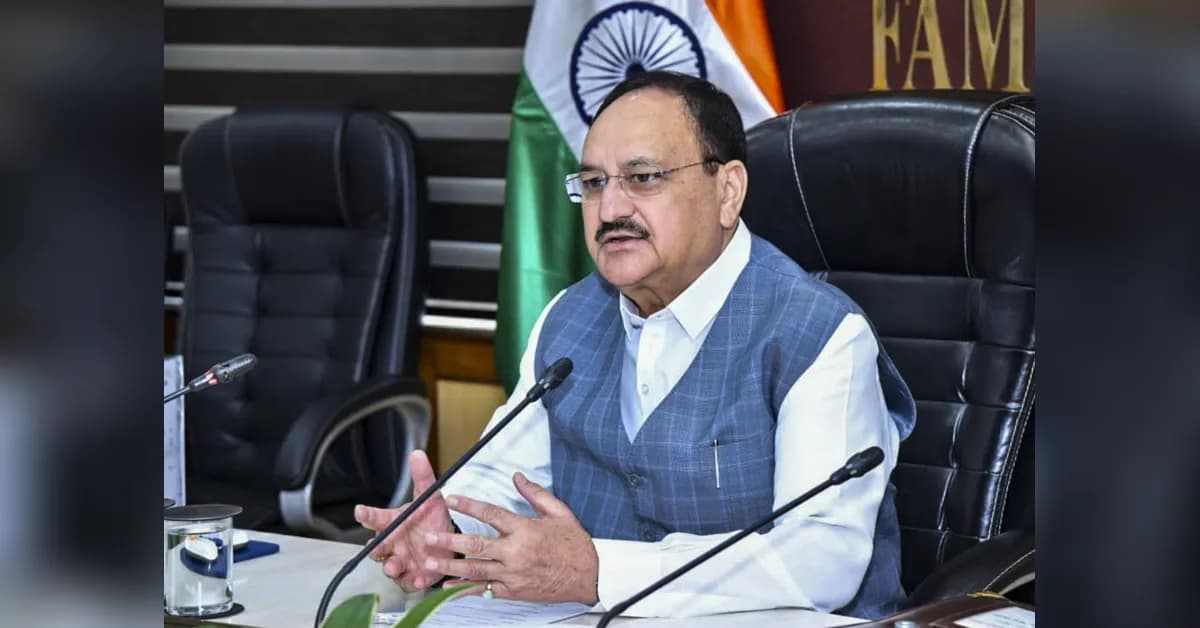
India imported more than 32 lakh tonnes of key fertilisers during the first quarter of the current financial year, with imports of urea and di-ammonium phosphate (DAP) supplementing domestic production to meet demand. According to information shared by the government in Parliament, chemicals and fertilizers minister J P Nadda reported that the country imported 25.08 lakh tonnes of urea and 7.11 lakh tonnes of DAP during the April-June period. Over the same quarter, domestic fertiliser production stood at 115.72 lakh tonnes. The minister emphasized that this import strategy is part of the government's sustained efforts to diversify import sources and mitigate risks from global supply chain disruptions.
The production data showed that urea accounted for 71.55 lakh tonnes of the total output, while DAP production was 9.84 lakh tonnes. For comparison, the minister referred to the financial year 2025-2026 when India had produced 517.74 lakh tonnes of fertilisers. During that period, the country imported 103.50 lakh tonnes of urea and 61.94 lakh tonnes of DAP, according to government data. This Q1 performance demonstrates the continued reliance on imports to supplement domestic production, particularly for urea where imports were 25.08 lakh tonnes compared to 71.55 lakh tonnes domestic production.
Highlighting the government's strategy on fertiliser procurement, Nadda said efforts are underway to broaden the country's import base in view of disruptions in global supply chains. He added that the government has facilitated long-term commercial arrangements between Indian fertiliser companies and overseas suppliers to strengthen supply security. The minister explained that the Department of Fertilizers has been working with Indian Missions abroad to identify alternative sources of supply from different countries, reducing dependence on any single nation, including China. This proactive approach ensures that India maintains access to essential fertiliser supplies while reducing vulnerability to supply disruptions from any single supplier.
While China has reportedly withheld exports of specialty fertilisers to India, Indian companies have been actively diversifying and sourcing water soluble fertilisers from alternative suppliers in Belgium, Egypt, Germany, Morocco and USA to offset the shortfall caused by reduced imports from China. As part of these measures, India has finalised long-term agreements with Saudi Arabian companies for the annual supply of about 31 lakh tonnes of DAP, according to the minister. These strategic partnerships demonstrate the government's commitment to ensuring uninterrupted fertiliser supply through multiple international sources, reducing dependence on any single supplier while maintaining competitive pricing and supply reliability.
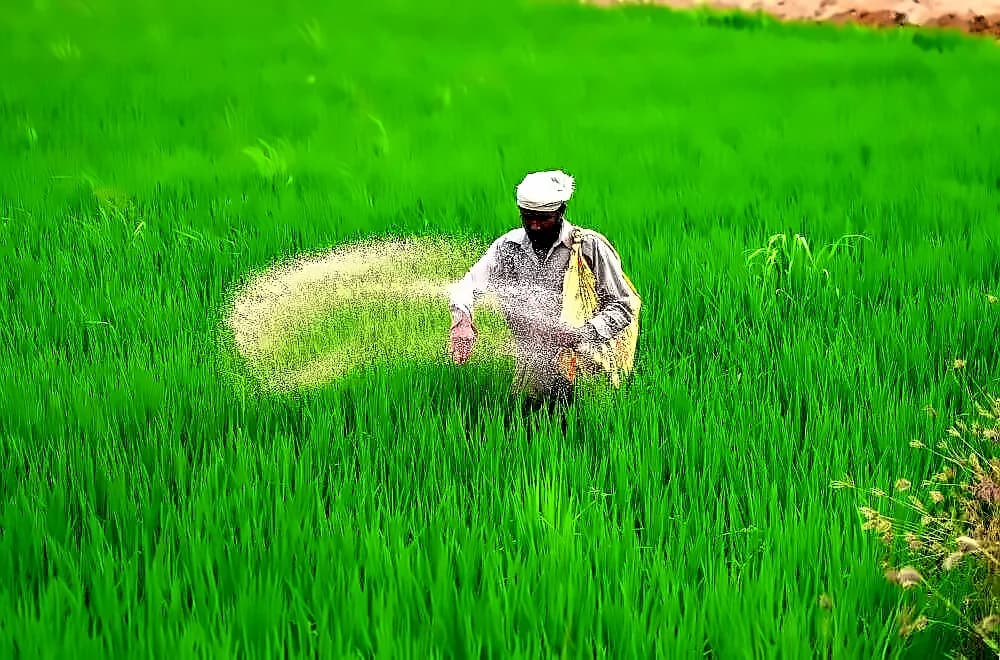
Indian fertiliser companies have also entered into agreements with Russian suppliers to import about 26.50 lakh tonnes of DAP/NPK fertilisers during the current year. Separately, agreements have been concluded for the import of 4.80 lakh tonnes of muriate of potash (MOP) from Russia, Germany and Turkmenistan, according to the minister. These long-term arrangements are part of the government's strategy to mitigate risks from global supply chain disruptions and ensure sustained fertiliser availability for Indian farmers. The diversified sourcing approach ensures that India maintains access to essential fertiliser supplies while reducing dependence on any single supplier, particularly important given the current global supply chain challenges.