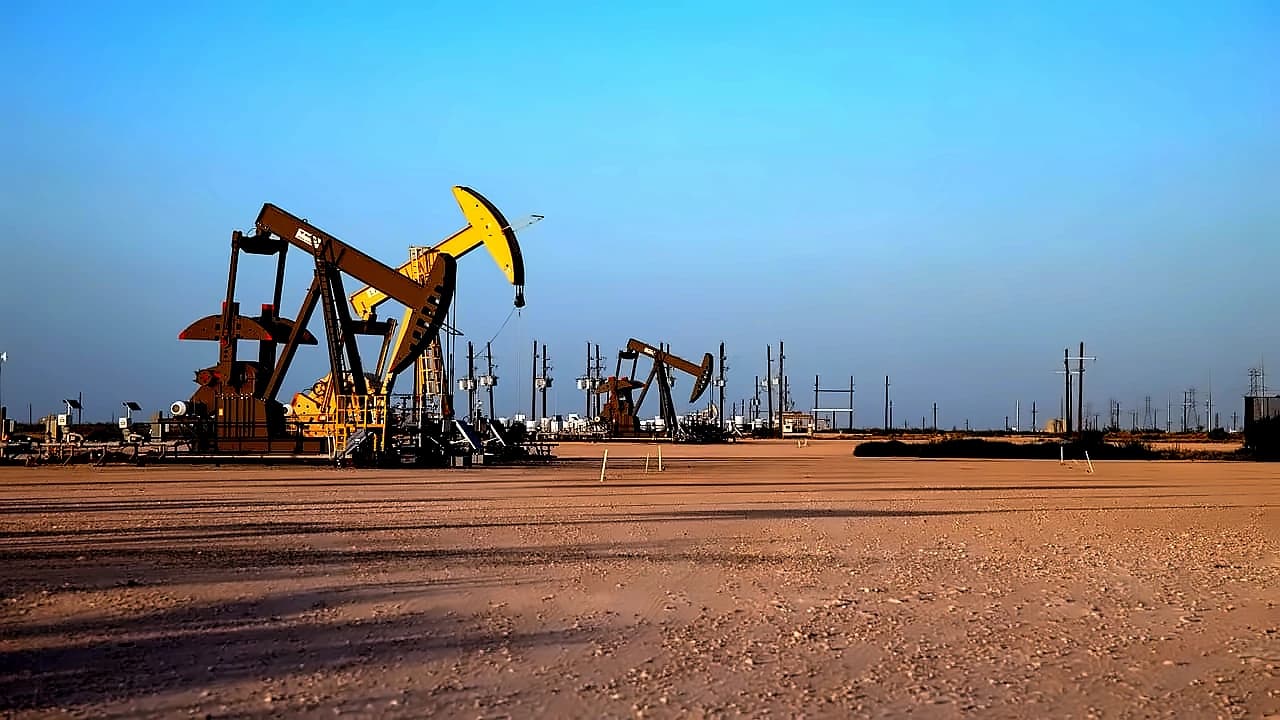
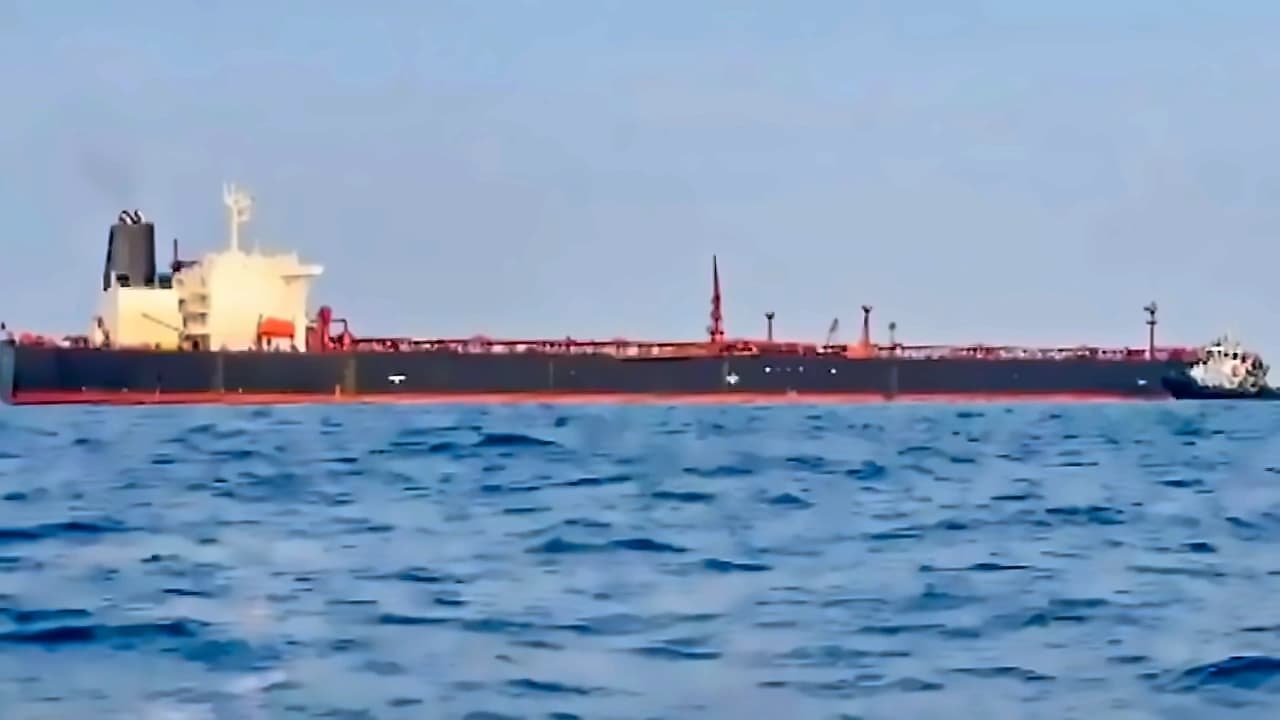
Indian refiners are facing a 40% increase in crude oil procurement costs, with some paying as much as $150 per barrel for prompt cargoes as competition intensifies for barrels that can be delivered on time. According to industry executives, oil marketing companies are paying 35-40% more to procure crude than they were a month and a half ago, as disruptions to Middle East supply routes squeeze the availability of physical barrels. The cost of crude for some refiners has risen to about $120-$130 per barrel, compared with Brent at around $105-$109. As per a refinery executive, "Every trader is asking for a premium.. We are now paying at least 35%-40% more than benchmark rates."
Daily charter hire rates for tankers to India have more than doubled to $250,000 in about two weeks, as escalating hostilities in the Red Sea and Strait of Hormuz push up the cost of shipping oil to the world's third-largest oil importer. According to reports from Mint, rates have risen 150% from about $100,000 as Houthi forces seized control of Yemen's Mocha port near the Bab el-Mandeb Strait. The surge comes as Iran-backed Houthi forces seized Yemen's Red Sea port city of Mocha last week and have since advanced toward the Bab el-Mandeb Strait, reaching the strategically located Perim (Mayun) Island. As per Observer Research Foundation, the Red Sea accounts for 12-15% of global seaborne trade, worth more than a trillion dollars a year, with roughly 4.2 million barrels a day crossing Bab-el-Mandeb in the first half of 2025, compared to almost 21 million through Hormuz.
The shutdown of Saudi Arabia's East-West pipeline has added significant pressure to the crisis. The 1,200-kilometer pipeline, which runs from the kingdom's eastern oil fields to the Red Sea port of Yanbu, has a capacity of about five million barrels a day, equivalent to roughly 4% of global oil supply. While the outage doesn't necessarily mean an equivalent volume of Saudi crude will be lost from the global market, it removes a key route for moving barrels to the Red Sea and could force more Saudi crude through the Strait of Hormuz, where shipping has already been severely disrupted. For Indian refiners, the immediate concern is the cost of replacing Saudi barrels rather than an outright shortage, with India having relatively limited direct exposure to the Yanbu route.
Indian refiners are increasingly relying on alternative suppliers as Gulf routes face disruption. According to industry executives, Indian refiners are relying more heavily on Russia, followed by the US, Brazil, Guyana and West Africa, while Iraq and the UAE are also emerging as options. Gulf grades are fetching premiums of $8-$10 a barrel over Brent, while Russian crude supplied to India is already priced at a premium of about $2.50 a barrel. As per Sumit Ritolia, lead analyst for refining supply at Kpler, "With multiple chokepoints facing disruption, Russian barrels routed through the Black Sea and Baltic become more valuable from a supply-security perspective." However, Atlantic Basin crude provides another source but longer voyages from the Americas and West Africa add to freight and insurance costs.
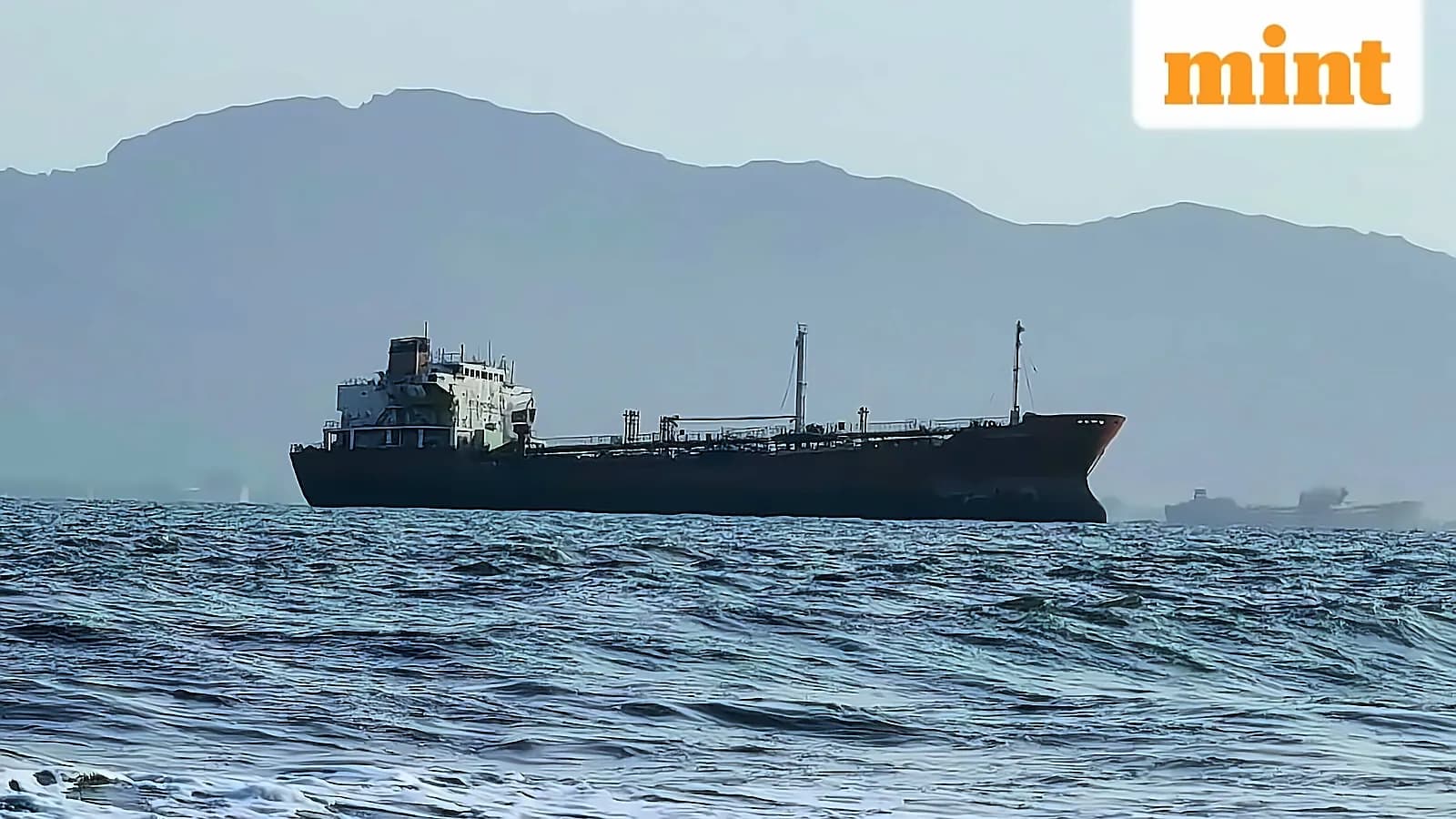
West Asia accounts for about 30% of India's current oil and gas imports, making the latest developments particularly significant for the country. According to Mint, every $1 increase in crude oil prices raises the annual import bill by ₹18,000 crore, affecting inflation and growth. In July, India's retail inflation rose to a 19-month high of 4.45%, while India's crude import bill for April-July this fiscal year has already reached $63.37 billion, up 56% from a year earlier. The Indian crude basket was last recorded at $115.98 a barrel on September 9. As per Observer Research Foundation, the crisis exposes vulnerabilities across the Indo-Pacific region, with 9-10 million Indian nationals working in the Gulf accounting for roughly 38% of India's remittance inflows - close to US$60 billion of the record US$155 billion received in FY2025-26.
The increase in tanker freight costs comes as India's crude import bill for April-July this fiscal year has already reached $63.37 billion, up 56% from a year earlier. According to Mint, the Centre launched the Bharat Maritime Insurance Pool (BMIP), a $1.5 billion facility, in May, with a sovereign guarantee of $1.4 billion to facilitate continuous maritime insurance coverage. However, an executive with an Indian shipping company noted that Indian ships are currently not plying through the affected routes and are therefore not using insurance support through the government-backed fund. The higher physical crude costs come as global inventories have already fallen sharply, with the International Energy Agency estimating that global oil inventories have declined by about 507 million barrels since the start of the war, with stocks drawing at an average rate of 2.8 million barrels a day. Indian refiners have sufficient crude coverage through October, but all eyes are on November cargoes as buyers begin securing supplies amid uncertainty over Middle East flows.