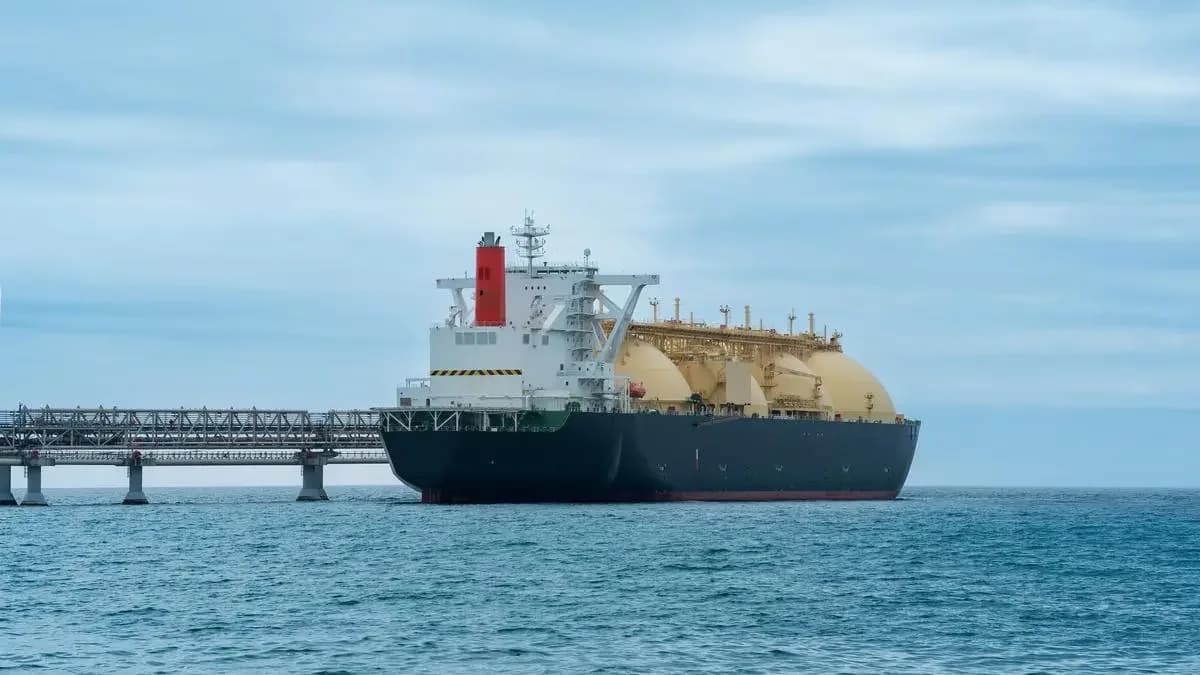
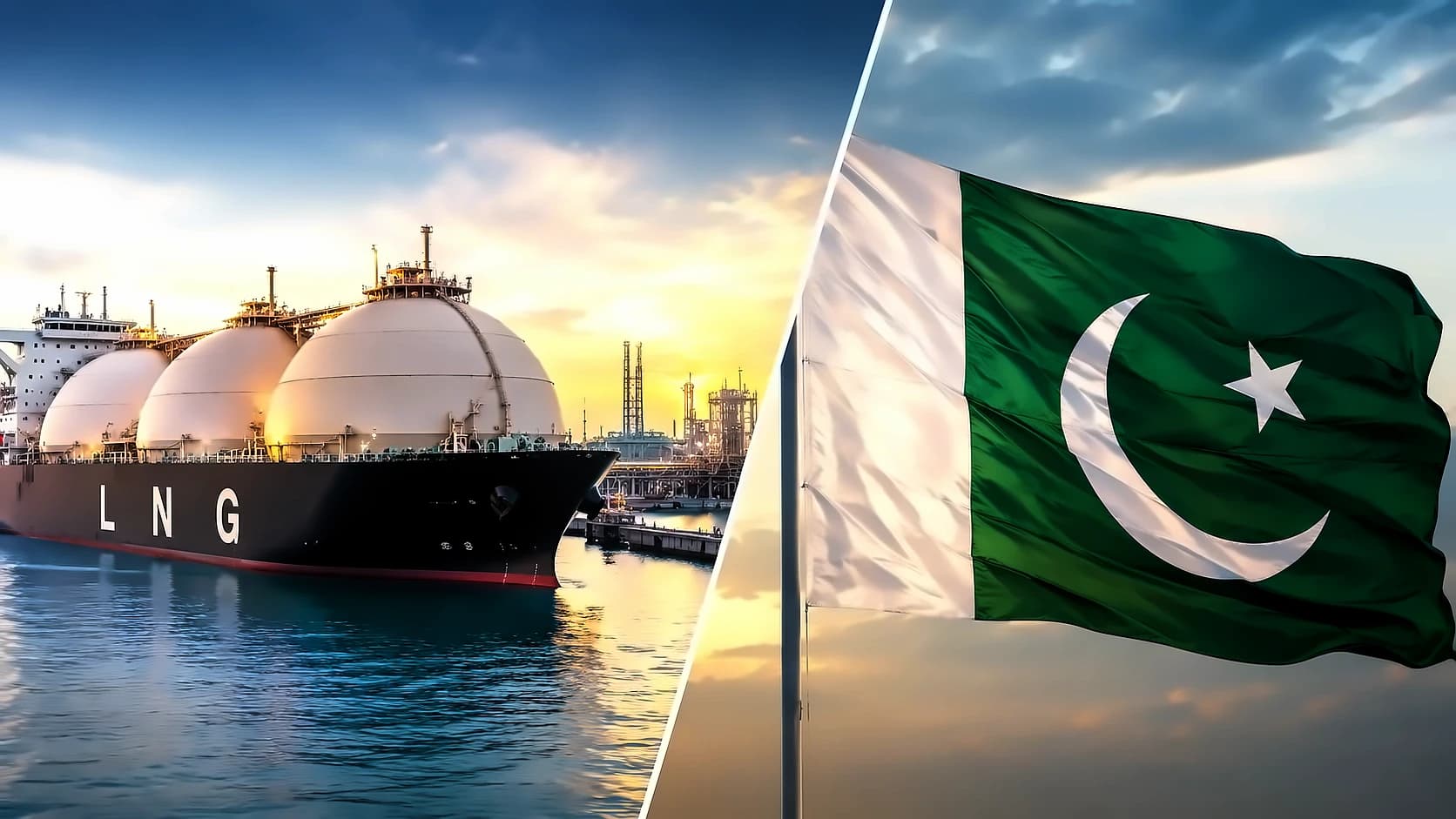
India has officially declined Russia's offer to sell liquefied natural gas (LNG) from projects currently under U.S. sanctions, following April reports of an LPG-laden tanker en route to western India. According to Reuters sources with direct knowledge of the situation, India conveyed its position during Russian deputy energy minister Pavel Sorokin's visit to New Delhi on April 30, where he held talks with petroleum and natural gas minister Hardeep Singh Puri and other officials. Sorokin may return to India in June for further discussions, as confirmed by sources. The Indian Ministry of External Affairs (MEA) has dismissed reports suggesting that India requested a U.S. sanctions waiver to resume Russian LNG imports, labeling such reports as speculative. The decision has left at least one Russia-linked LNG shipment stranded near Singapore while discussions continue over what supplies India can legally purchase.
A cargo from Russia's Portovaya LNG plant in the Baltic Sea, which is under US sanctions, has been unable to discharge after India declined to accept it. The 138,200-cubic-metre tanker Kunpeng had earlier signalled Dahej LNG terminal in Gujarat as its destination in mid-April, according to LSEG shipping data. However, the vessel is currently sailing near Singaporean waters without broadcasting a destination. Energy Intelligence reports indicate that the cargo may have been accompanied by documentation attempting to label it as non-Russian in a bid to bypass restrictions. One source told Reuters that although documentation suggested the cargo was non-Russian, the shipment was still tracked and identified, making it difficult to proceed unnoticed. The unwillingness to accept the LNG cargo has prevented it from being discharged, even though the destination had been India since mid-April.
India's crude oil imports from Russia have continued largely uninterrupted, helped by a temporary waiver on US sanctions introduced amid the energy disruption caused by the US-Israeli war on Iran, which began on February 28. However, LNG cargoes pose a bigger compliance challenge because they are easier to monitor through satellite tracking systems. Crude shipments, by contrast, can sometimes be obscured through ship-to-ship transfers at sea. Russia's Arctic LNG 2 project is also under US sanctions, with Washington significantly escalating sanctions against Russia's LNG sector in January, particularly targeting the Arctic LNG 2 project. The sanctions involved over 180 vessels considered part of Russia's "shadow fleet," along with numerous oil and gas traders and service providers. As Reuters sources note, while crude oil cargoes are easily hidden by ship-to-ship transfers, LNG shipments can be tracked via satellites, making them more difficult to conceal. India is ready to consider purchases of authorized Russian LNG, but a significant part of such volumes has already been contracted by European countries, while China remains one of the largest buyers of both sanctioned and non-restricted Russian LNG.
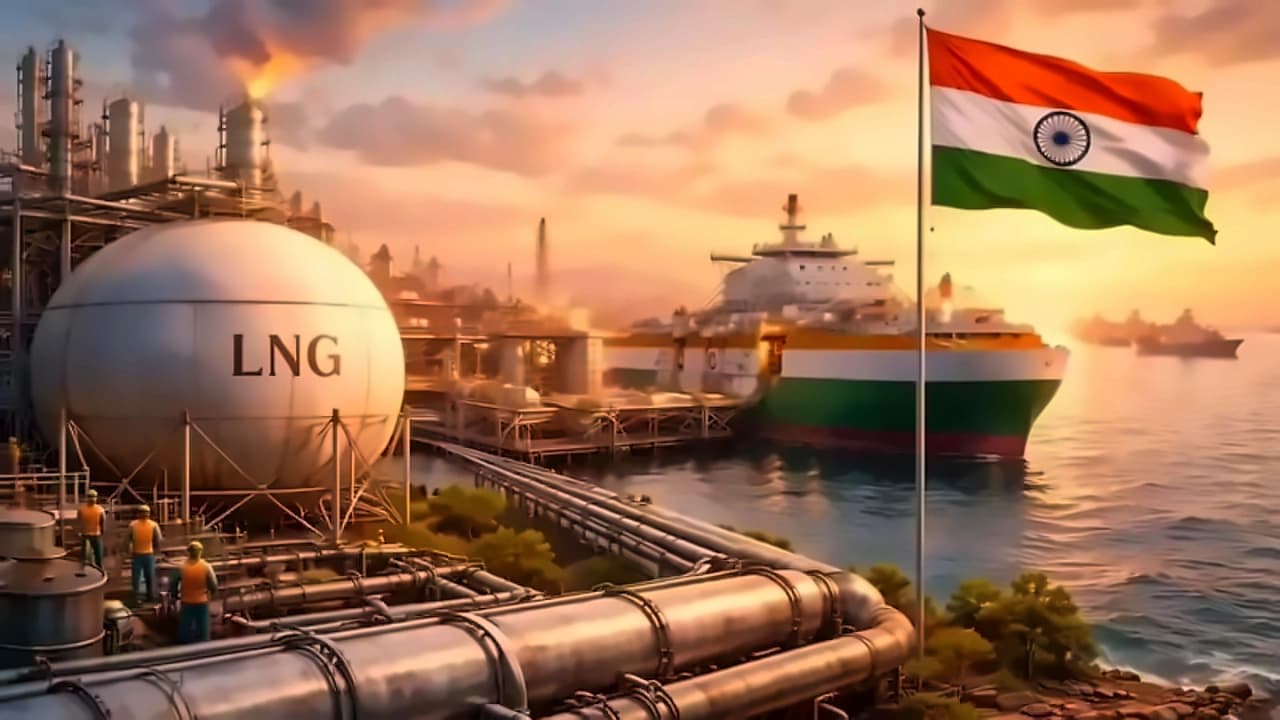
Before the Iran conflict disrupted shipping through the Strait of Hormuz, India imported nearly half of its gas needs, with around 60% of those supplies passing through the key maritime route. More than half of India's crude imports also moved through the Strait. Russia is also seeking long-term agreements with India for LNG supplies and fertiliser exports, including potash, phosphorus and urea. Sources indicate that Moscow was also looking for long-term agreements to supply India with LNG, as well as fertilisers like potash, phosphorus, and urea. Amid concerns over energy supplies and foreign exchange outflows, Prime Minister Narendra Modi on Sunday urged citizens to conserve fuel and reduce unnecessary imports by working from home where possible, limiting foreign travel and cutting purchases of gold and edible oil.