India's fertilizer sector faces unprecedented challenges as urea prices surge to near $1,000 per metric ton, with Indian Potash Ltd (IPL) receiving supply offers approaching $1,136 per ton - nearly double from just two months ago. Current bids range from $935 to $959 per ton for deliveries to India's west and east coasts, contrasting sharply with previous tenders where prices were around $500-$512 per ton. This dramatic price increase is tied to the Middle East conflict that has disrupted key trade routes, including the Strait of Hormuz, which handles about one-third of global fertilizer trade. Global urea spot prices now stand at $725-$730 per metric ton, representing a 25-50% increase since late February and approaching historic highs of around $1,050 per ton in April 2022. The surge will significantly impact India's fertilizer subsidy bill, as the government budgeted ₹1.168 trillion ($12.75 billion) for fertilizer subsidies in fiscal year 2026-27, with about ₹0.32 trillion allocated for imports.
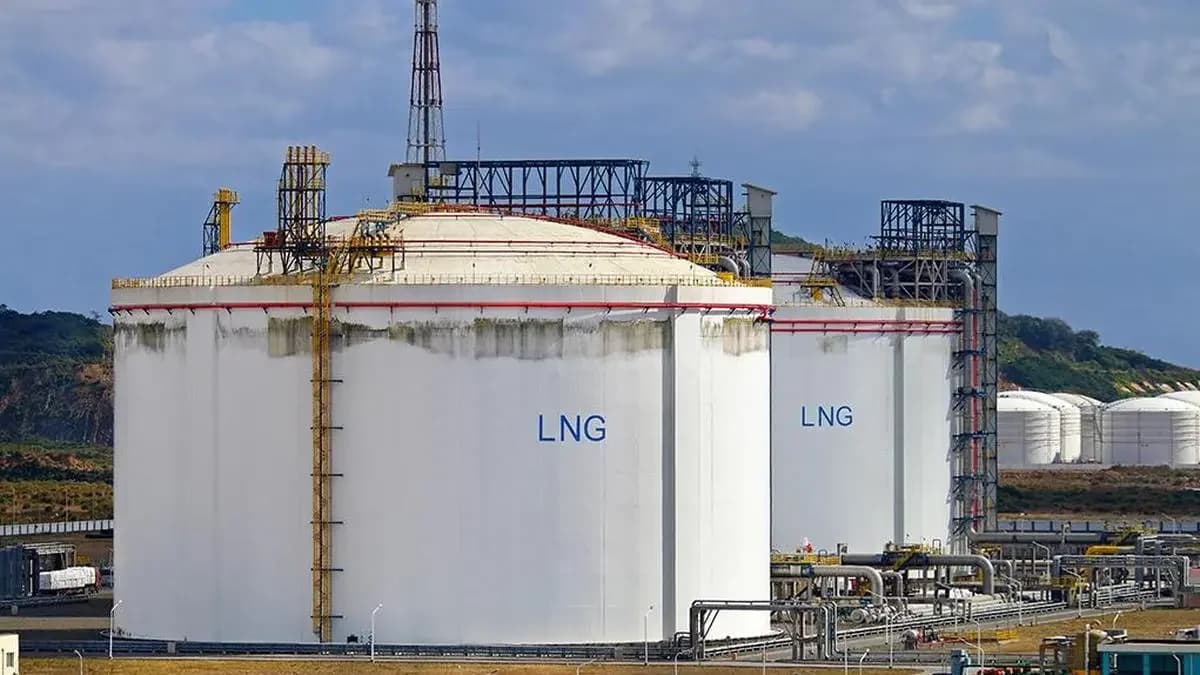
The effective closure of the Strait of Hormuz, and attacks on the world's largest LNG export plant in Qatar, have disrupted a fifth of the world's supply of the super-chilled fuel. India is among the hardest-hit consumers, with LNG deliveries down 14% compared with the same time last year on a 30-day moving average, according to ship data reported by The Hindu BusinessLine. India's LNG imports fell 20% year-on-year to 1.6 million tonnes in March 2026, as the country's sector remains among the most exposed to the Iran conflict due to its reliance on Qatar and the UAE for nearly 60% of its supply. While imports from both countries fell to zero by the end of March, India's shipments from the US, Oman, and Nigeria increased during the month to make up some of the shortfall. Asian LNG spot cargoes now stand at $18.45 per MMBtu, up 2.4% in 24 hours, reflecting high energy input costs and the ongoing supply disruptions.
India's cooking gas crisis has intensified with monthly LPG imports halving to 37,000 tonnes per day during April 1-14, down from 73,000 tonnes per day in February, according to ship tracker Kpler. Domestic LPG output has also fallen about 10% from its March peak, creating an even tighter overall supply situation. Before the war, Gulf countries accounted for about 54% of India's LPG consumption, but the disruptions continue to impact global energy flows. The US has emerged as the largest LPG supplier this month, shipping 142,000 tonnes (27% of total), followed by UAE at 141,000 tonnes, Saudi Arabia at 92,000 tonnes, and Qatar at 82,000 tonnes. Iran's LPG supply has increased to 43,000 tonnes from 11,000 tonnes in March, while Argentina shipped 10,000 tonnes as a rare supplier to India.
India's liquefied natural gas importers have accelerated purchases from the spot market, taking advantage of recent price dips as the country looks to ease a supply crunch triggered by the war in West Asia. According to traders with knowledge of the matter, Bharat Petroleum Corp., Gail India Ltd. and Gujarat State Petroleum Corp. bought shipments for delivery between April and June at below $16 per million British thermal units. The LNG supplies were purchased via tenders that closed on April 15, as reported by The Hindu BusinessLine. However, India's annual LNG purchases fell by 6.4% in 2025, with the country's sector showing clear signs of long-term LNG demand destruction amid the Middle East crisis.
The Iran conflict has triggered widespread LNG demand destruction across Asia, with Asia's LNG imports plummeting to 20.4 million tonnes in March 2026, down from a monthly average of 22.1 million tonnes throughout 2025. China imported 3.8 million tonnes in March, down 21% year-on-year, with the country's state-owned oil and gas company Sinopec canceling a planned expansion of an LNG import terminal. South Korea reduced imports by 7% year-on-year in March, taking emergency measures including restarting six nuclear reactors with a combined capacity of 4.75GW by May. The Philippines announced it would accelerate the commissioning of 22 renewable energy projects with a combined capacity of 1.47GW to mitigate energy shortages, while Vietnam's Vingroup recently requested government approval to replace a planned 4.8GW LNG-to-power project with a portfolio of solar, wind, and batteries citing unaffordable fuel prices. The conflict is the third major shock to fertilizer markets recently, showing how vulnerable the sector is to geopolitical instability and trade disruptions.