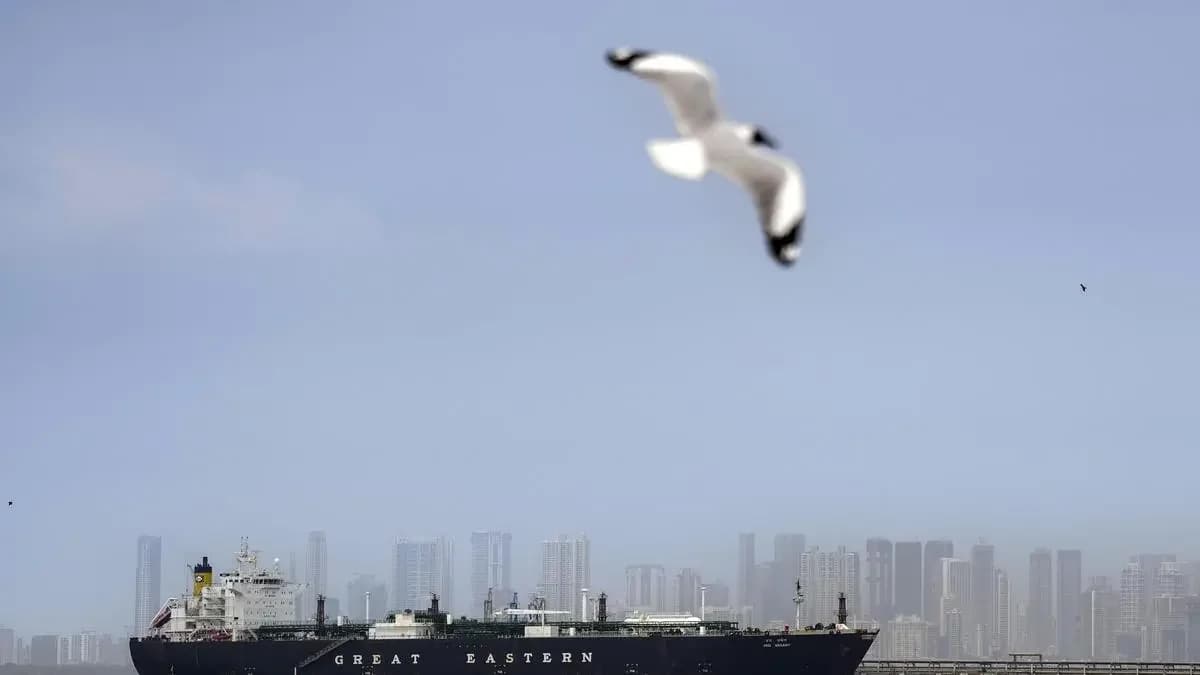
A 138,200-cubic-metre tanker from Russia's U.S.-sanctioned Portovaya plant in the Baltic Sea remains unable to discharge despite indicating India as its destination in mid-April, as reported by Reuters. The vessel, identified as the Kunpeng, was tracked despite documentation suggesting the cargo was non-Russian. The tanker, which was heading to the Dahej LNG import terminal in western India according to Reuters shipping data, is now sailing near Singaporean waters without a confirmed destination, according to LSEG shipping data. This stranded cargo highlights Russia's difficulties in redirecting its energy exports, with Moscow's plans to increase LNG sales, especially in Asia, being hindered by U.S. sanctions on projects like Arctic LNG 2. The move underscores India's careful balancing act between securing energy supplies and avoiding sanctioned LNG shipments.
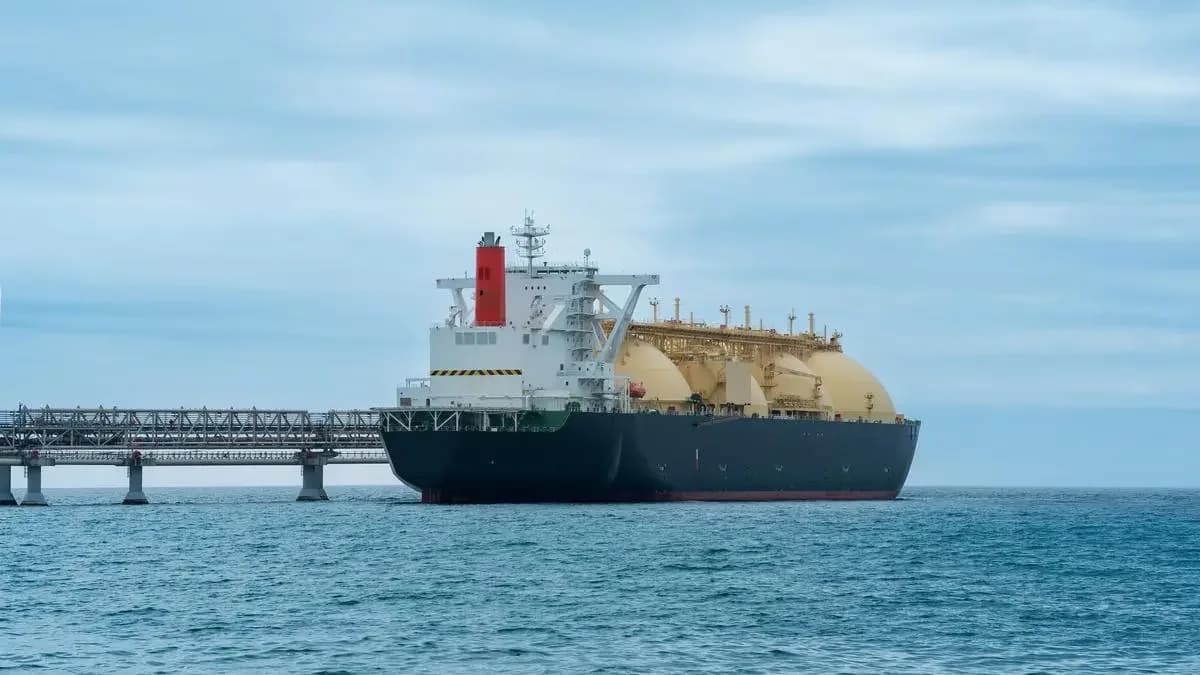
India has declined Russia's offer to sell liquefied natural gas subject to U.S. sanctions despite facing energy supply shortfalls, according to reports from Reuters. The world's third-biggest oil importer and consumer is balancing the need for energy supplies against avoiding LNG cargoes on which the U.S. has placed sanctions, which are harder to disguise and carry greater compliance risk. As one informed source explained to Reuters, unloading LNG from Russia's Portovaya plant became impossible even though India had been listed as the destination in mid-April. The key difference from India's ongoing imports of Russian crude oil is how the energy is transported - crude oil can be harder to track using ship-to-ship transfers, while LNG tankers are closely monitored by satellites, making it much harder to hide compliance risks. This stance highlights India's cautious approach to securing energy while maintaining international compliance standards.
India conveyed its decision not to buy sanctioned LNG to Russia's Deputy Energy Minister Pavel Sorokin during his April 30 visit to India, when he met Indian officials including Petroleum and Natural Gas Minister Hardeep Singh Puri, according to sources cited by The Hindu BusinessLine. This was their second meeting in as many months, and Sorokin could return in June for further talks. India remains open to buying authorized Russian LNG, but most of those volumes are committed to Europe, while China continues as a major buyer of both sanctioned and unsanctioned Russian LNG. The source noted to Reuters that China remains a major buyer of both sanctioned and unsanctioned Russian LNG, highlighting the limited ability of Moscow to redirect its gas exports to new markets.
India's reluctance to purchase sanctioned Russian LNG comes as the country faces a major fuel crisis due to the conflict in the Middle East and the blocking of the Strait of Hormuz, with Prime Minister Narendra Modi urging citizens to cut fuel consumption as much as possible. The war involving Iran has sharply reduced global oil reserves, with Morgan Stanley estimating that global oil inventories have fallen by about 4.8 million barrels per day, increasing the risk of sharp price spikes and shortages. Before the Iran conflict disrupted shipping through the Strait of Hormuz, India was meeting half of its gas consumption through imports, about 60% of which came through the waterway. LNG shipments are far harder to conceal from satellite tracking compared to crude oil cargoes, which can be hidden through ship-to-ship transfers at sea. Current spot LNG prices fluctuate significantly, often between $10-$15 per MMBtu, with supply shortages potentially driving prices higher, creating additional challenges for countries balancing energy needs with compliance risks.
Moscow is seeking long-term deals to supply India with LNG and fertilizers such as potash, phosphorus and urea, according to sources cited by The Hindu BusinessLine. The source noted to Reuters that India remains willing to buy authorised Russian LNG, but most of those volumes are intended for Europe, while China continues as a major buyer of both sanctioned and unsanctioned Russian LNG. Russia's trouble rerouting sanctioned LNG, especially from Arctic LNG 2, shows a weakness in its plan to diversify suppliers, unlike competitors like Qatar or the United States, which have access to essential Western technology and markets. The stranded tanker serves as a clear warning about the operational and logistical challenges of trading sanctioned energy, which could result in severe financial penalties or supply disruptions. Analysts generally agree that while demand for LNG in Asia remains strong, future trade will depend heavily on how well countries diversify supply and manage sanctions compliance.