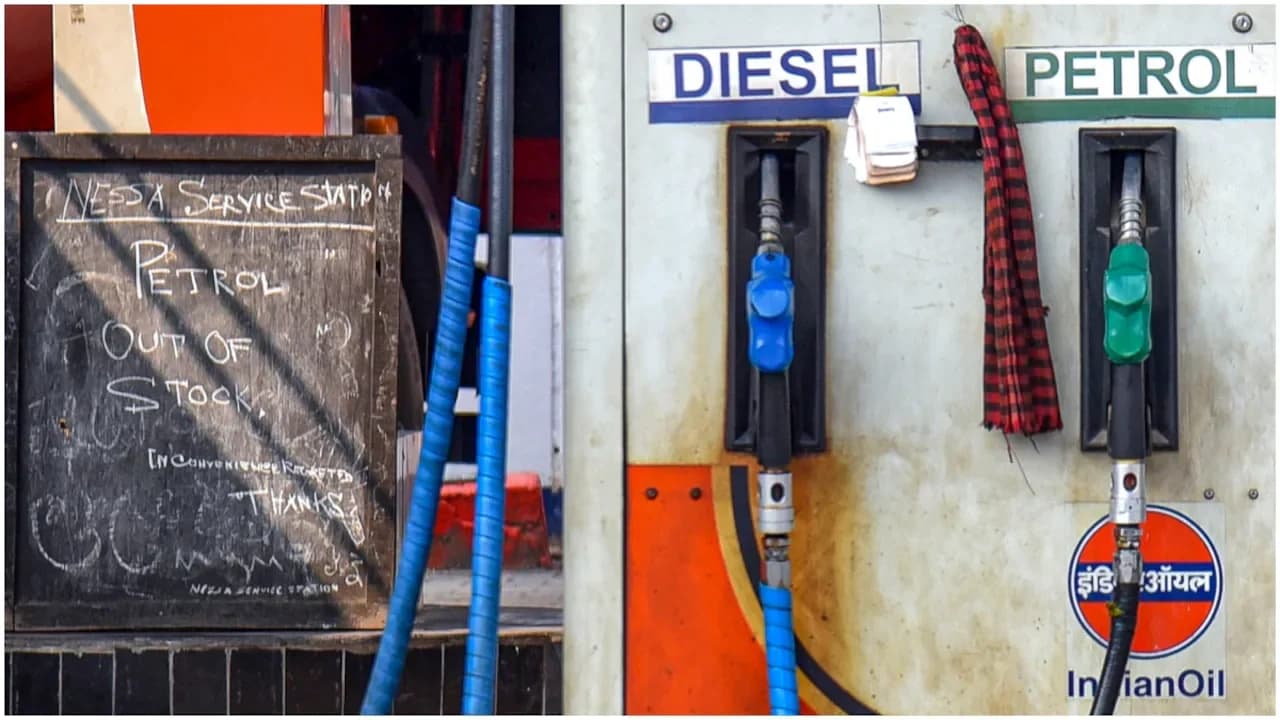
The Supreme Court has implemented comprehensive measures to reduce fuel consumption in response to Prime Minister Narendra Modi's appeal for voluntary austerity amid the West Asia crisis. The top court announced that it will conduct hearings exclusively through video conferencing on Mondays and Fridays, while implementing a hybrid system from Tuesday to Thursday allowing lawyers and litigants to appear physically or virtually. Significantly, judges have unanimously resolved to encourage carpooling among themselves to optimise fuel use - a rare administrative step underscoring the gravity of the situation. The court registry will also allow up to 50 per cent of staff to work from home for two days a week, based on weekly rosters, with flexibility to scale back remote work if physical presence is required for uninterrupted operations.
Following Prime Minister Narendra Modi's appeal to conserve fuel amid rising global tensions and uncertainty in West Asia, the Rajasthan government is preparing a series of comprehensive measures to cut fuel consumption and encourage more responsible vehicle use across the state. The proposed measures are expected to focus on greater use of electric vehicles (EVs), public transport, and carpooling by ministers, MLAs, and government officials. The state government is considering introducing a 'No Vehicle Day' at least once a week to reduce unnecessary fuel usage, while Chief Minister Bhajan Lal Sharma has already instructed officials to minimise avoidable travel and unnecessary deployment of vehicles. As Sharma noted, 'small savings together can make a big difference' in the current energy crisis situation.
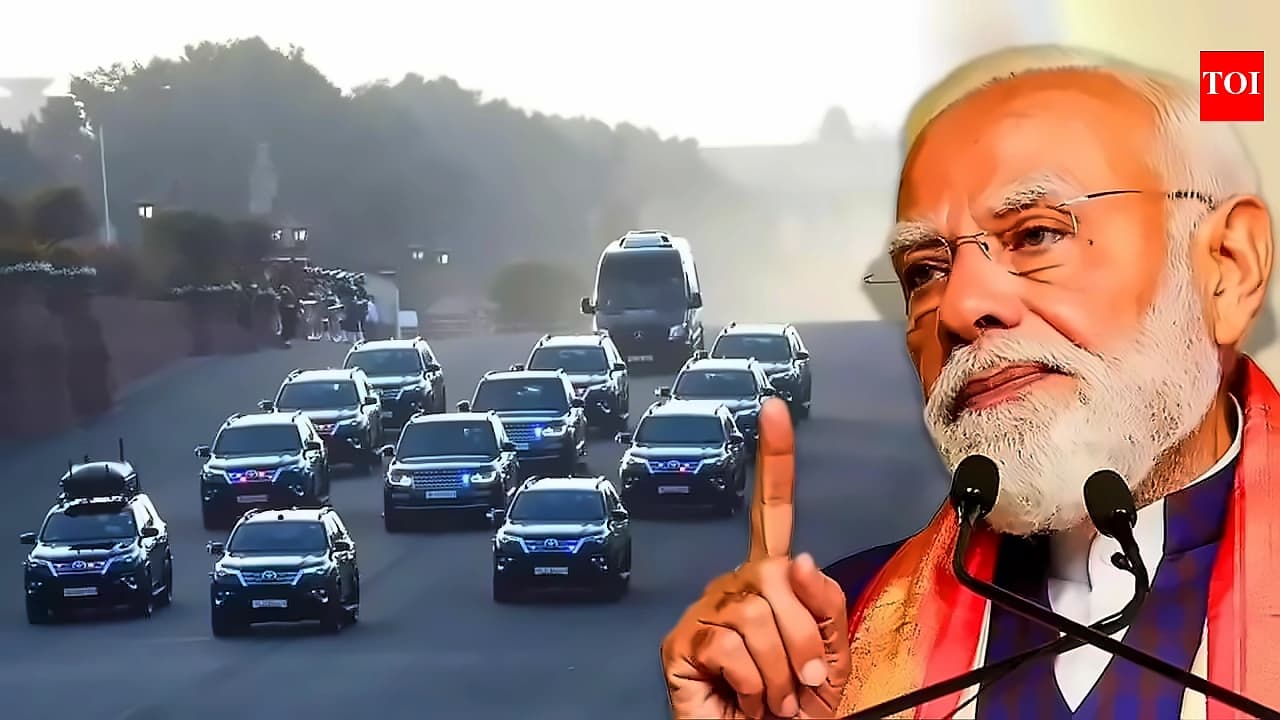
Prime Minister Narendra Modi has reportedly reduced the size of his official convoy as part of fuel conservation efforts during the current global energy crisis. Implemented in mid-May 2026, this decision comes as a direct response to volatile energy markets caused by the ongoing West Asia crisis, with global crude oil prices fluctuating near $120 per barrel. By voluntarily trimming the number of high-security vehicles in his official fleet, Modi is setting a personal example of 'Austerity First' for the nation. The move has triggered widespread discussion across social media platforms, with the hashtag #FuelSavingIndia trending globally, as many supporters express trust in the government's handling of the energy crisis. Modi has also pitched for a renewed push towards work-from-home models in suitable sectors to limit commuting and urged citizens to use fuel with 'great restraint' as a national duty.
Several opposition parties on Friday attacked the government over the hike in prices of petrol and diesel, warning that the move would worsen inflation and hamper economic growth. Congress leader Rahul Gandhi said the public was paying the price for the Modi government's 'mistake' while party chief Mallikarjun Kharge slammed the government, alleging that the country was facing an economic crisis due to a 'leadership crisis, lack of vision and incompetence'. However, the Bharatiya Janata Party (BJP) defended the hike, claiming that India managed to shield citizens from the global oil shock for more than two months while implementing only a 'limited and calibrated' rise even as several countries witnessed steeper increases. The government's approach reflects a comprehensive strategy of voluntary austerity measures across all levels of administration.
The current energy crisis has created significant financial pressures for India's oil sector. According to Business Standard, fuel prices have risen 30 to 50 per cent in Southeast Asia, 30 per cent in North America, and 20 per cent in Europe due to the West Asia conflict. India imports around 85 per cent of its crude oil requirements, and every $10 per barrel rise in crude price adds $13-14 billion to the country's import bill. Oil companies and the government have been absorbing daily losses of ₹1,000 crore, amounting to ₹1 lakh crore per quarter, to ensure pump prices remain unchanged. The government's decision to reduce its own fuel consumption through Modi's convoy reduction demonstrates the seriousness of the financial burden.
The government has implemented comprehensive support measures to cushion the impact of global oil price increases. As reported by Business Standard, the under-recoveries of oil companies stand at ₹26 per litre on petrol and ₹81.90 per litre on diesel. The Centre has provided significant support through excise duty cuts of ₹8 per litre on petrol and ₹6 per litre on diesel in May 2022, and further reductions of ₹10 per litre for both fuels in March 2026. Additionally, fertiliser prices have been kept unchanged despite costs rising to ₹3,000 per tonne, with the government subsidizing ₹2,700 per tonne so that farmers receive fertiliser at ₹300 per tonne. The minister noted that 'today the cost of fertiliser is ₹3,000, which is given to farmers at ₹300 - 90% is subsidised by the central government so that no burden falls on India's farmers.'
Despite the energy crisis, India's economic fundamentals remain resilient. India's merchandise exports rose 13.8 per cent year-on-year in April to a four-year high of $43.56 billion, according to commerce ministry data released on Friday, despite supply-chain disruptions linked to the West Asia crisis. Prime Minister Modi's brief stopover in Abu Dhabi on Friday saw India and the United Arab Emirates (UAE) sign six agreements aimed at deepening energy and defence ties. The recalibrated functioning of the Supreme Court marks one of the most high-profile institutional responses to the Prime Minister's appeal, signalling how concerns over fuel costs are beginning to shape administrative decisions across sectors. Officials note that inflation remains under control and the current account deficit is reined in at under 1.5 per cent, compared to crisis levels of 5 per cent witnessed in 2012-13.
Prime Minister Modi's appeal for voluntary austerity measures has gained momentum as officials identify specific areas for conservation. According to Business Standard, halving gold imports could halve the estimated current account deficit for the country, as Indian households own 30,000 tonnes of gold valued at $5 trillion. The government has also cut outbound tourism costs by ₹28-30 billion annually through nudges to avoid foreign travel, while halving chemical fertiliser use reduces import dependency through the Strait of Hormuz. Officials note that inflation remains under control and the current account deficit is reined in at under 1.5 per cent, compared to crisis levels of 5 per cent witnessed in 2012-13. The PM's convoy reduction serves as a powerful symbol of this national effort to reduce non-essential fuel consumption, with the Supreme Court's decision representing the most high-profile institutional response to the crisis.